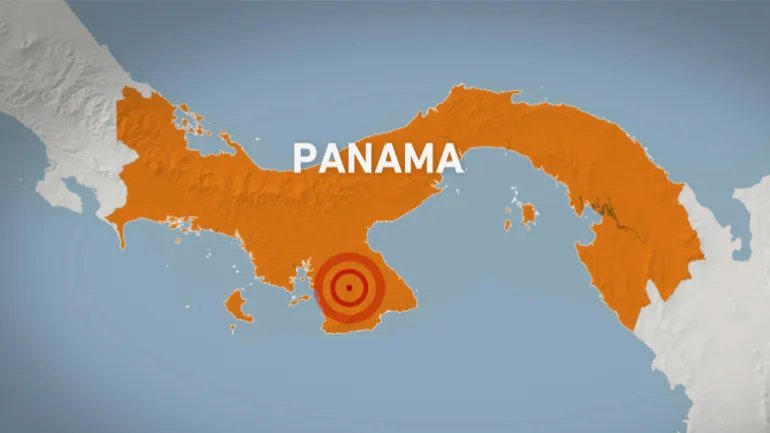
Alongside Latin American Partners in Panama, the US Plans to Carry Out “Ground” Attacks Against Drug Traffickers.
U.S. Defense Secretary Pete Hegseth (left) arrives at the closing ceremony of the Panamax 2026 multinational military exercises in Panama City.
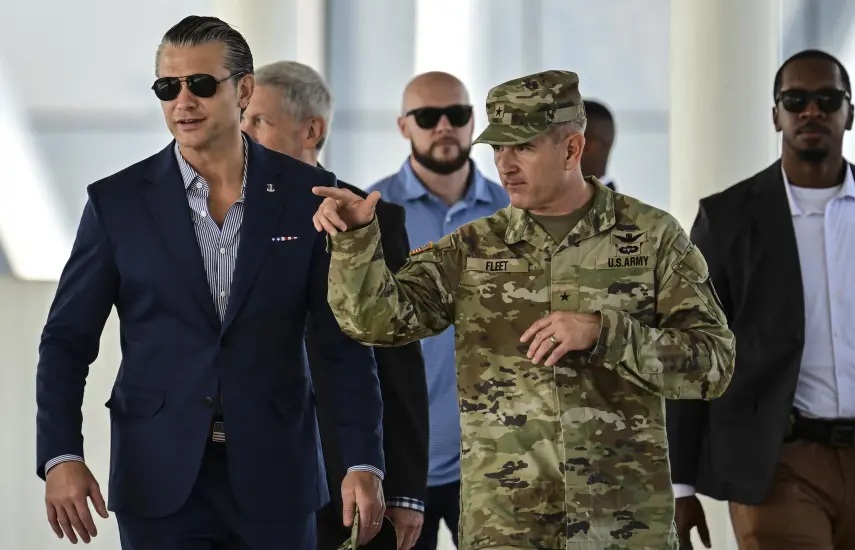
The United States plans to attack drug traffickers “on land” in Latin America, as it already does in international waters against suspected drug-smuggling vessels, Pentagon chief Pete Hegseth said in Panama. Last September, President Donald Trump’s administration launched a campaign of aerial bombings against suspected drug-trafficking boats in the Caribbean and the eastern Pacific Ocean, which to date has left at least 215 dead. The plans for ground-based anti-drug operations are part of the efforts of a 19-country alliance led by Trump, but could be expanded to “wherever” drug trafficking groups operate, the US defense secretary told reporters accompanying him in Panama.
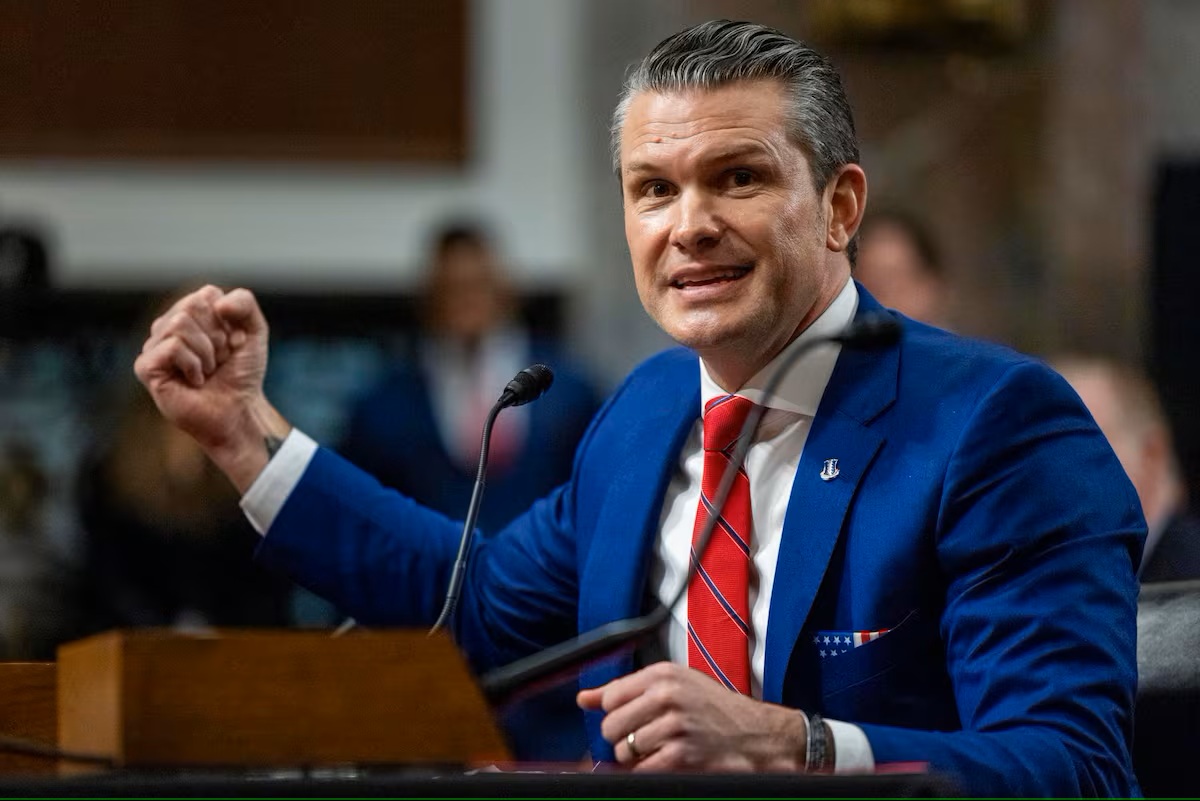
He argued that, in the short term, the United States hopes to deploy, together with its allies, an “operational capacity like the one they saw with the attacks on drug boats” in the Caribbean and the Pacific. “It will have the same effect on the ground, and that is why we are working with Ecuador, Colombia, with partners to take the fight to DTOs (designated terrorist organizations) on the ground,” Hegseth said Wednesday night in an unidentified location in the Panamanian jungle.
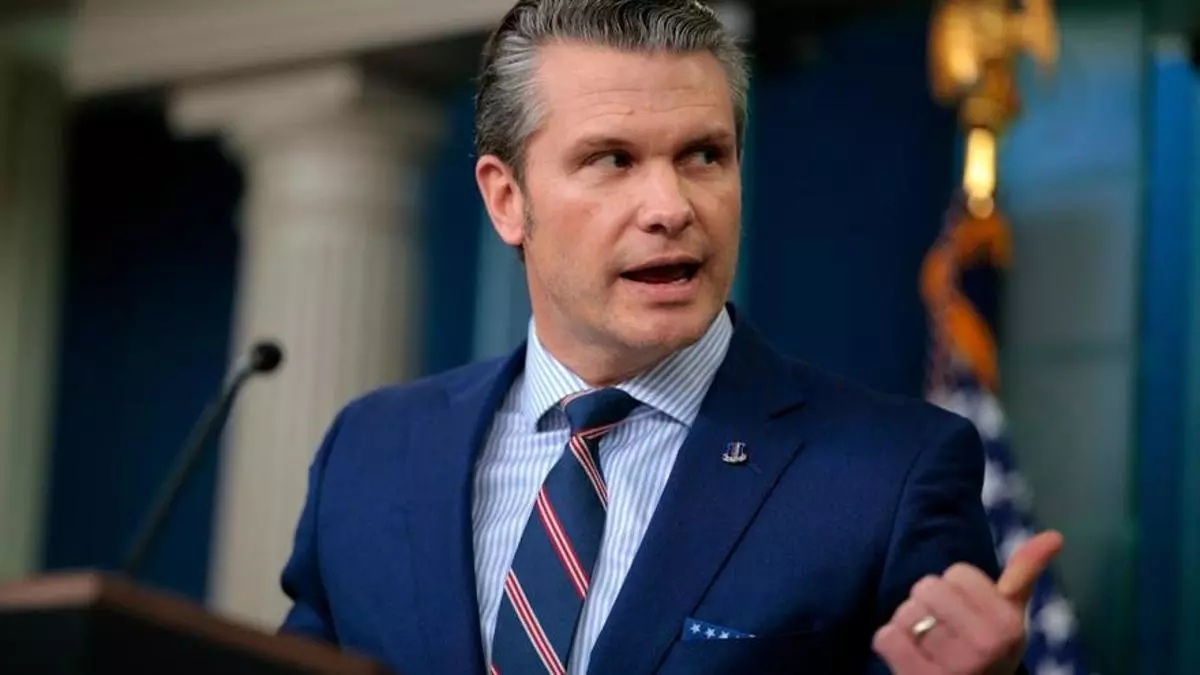
The Pentagon chief traveled to Panama for military exercises that are carried out there every year by about twenty countries. “Wherever they traffic drugs or threaten the American people or our partners, (those organizations) are a target, just like ISIS (acronym for the Islamic State group) or Al Qaeda,” added the secretary, dressed in an olive green t-shirt and surrounded by military personnel. The Anti-Cartel Coalition of the Americas brings together countries such as Argentina, Bolivia, Chile, Colombia, Ecuador, Honduras and Peru, with right-wing governments.
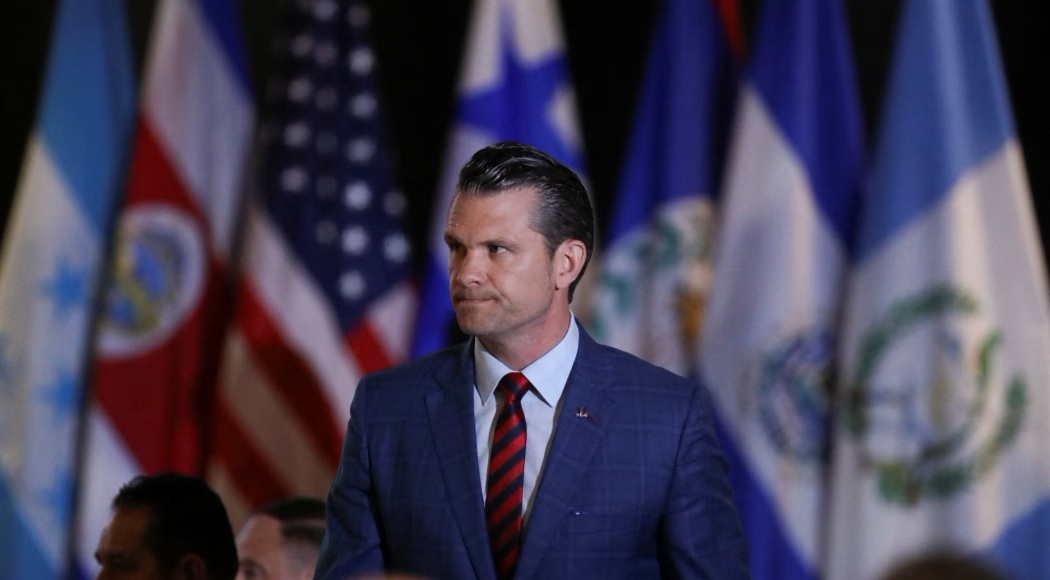
Hegseth stressed that his warning to the cartels is “serious”, “from down here, in cocaine trafficking, to fentanyl in the plazas of Mexico”, in addition to the remnants of the Colombian guerrillas, which he defined as “legitimate targets”. Mexico, where powerful criminal organizations operate, is not part of the alliance. Hegseth defended the lethality of the attacks against the alleged drug boats, which according to jurists and human rights organizations may constitute extrajudicial executions. “We are not going to put them through a judicial process where we know they will be released. We are going to destroy these networks with all the capabilities of the U.S. government,” he threatened.
US Secretary of War Oversees Maneuvers
Hegseth observed six helicopters flying overhead, as well as the pursuit and assault by soldiers on a small fishing boat. The Panamax 2026, organized by Panama and sponsored by the United States Southern Command, sought to improve joint response capabilities to potential threats to the Canal. The Panamax 2026 military exercises , conducted over ten days to strengthen the protection of the Panama Canal, concluded this Thursday under the supervision of the United States Secretary of War, Pete Hegseth, who witnessed a simulated interception of a boat in waters off Panama City. Hegseth observed the flyover of six helicopters, as well as the pursuit and assault of The maneuvers brought together some 1,700 personnel from about twenty countries in the Americas, who participated in maritime, air, land and cyber operations. “We are demonstrating great determination and strengthening our collective capacity to conduct multinational operations across all domains and the defense of the Panama Canal,” said Southern Command Chief Francis Donovan during the closing ceremony.
The Panamax 2026 , organized by Panama and sponsored by the United States Southern Command, sought to improve joint response capabilities to potential threats to the Canal, as well as guarantee freedom and security of navigation. On August 7, Special Forces from Argentina, the United States, Panama, and Peru also conducted a simulated assault on a ship supposedly seized by terrorists with the aim of attacking the Canal. This edition included Argentina, Bahamas, Belize, Bolivia, Chile, Colombia, Costa Rica, Dominican Republic, Ecuador, El Salvador, United States, Guatemala, Guyana, Honduras, Jamaica, Panama, Paraguay, Peru and Trinidad and Tobago. “The defense of the Panama Canal represents a responsibility for our country, but it’s safe, uninterrupted and neutral operation has an importance that transcends our borders,” said Panama’s Minister of Public Security, Frank Ábrego.
Hegseth Strengthens Cooperation Against Drug Trafficking
Hegseth’s visit to Panama was also focused on strengthening regional cooperation against drug trafficking and organized crime, following his participation in the Americas Coalition Against Cartels (A3C) forum. During that meeting, the Secretary of War announced that the President of Colombia, Abelardo de la Espriella, authorized “joint military operations” with the United States to combat narcoterrorism and confirmed Colombia’s incorporation into the coalition against the cartels. During his stay in Panama, Hegseth met with President José Raúl Mulino and representatives from other countries, in addition to participating in a military exercise in the jungle.