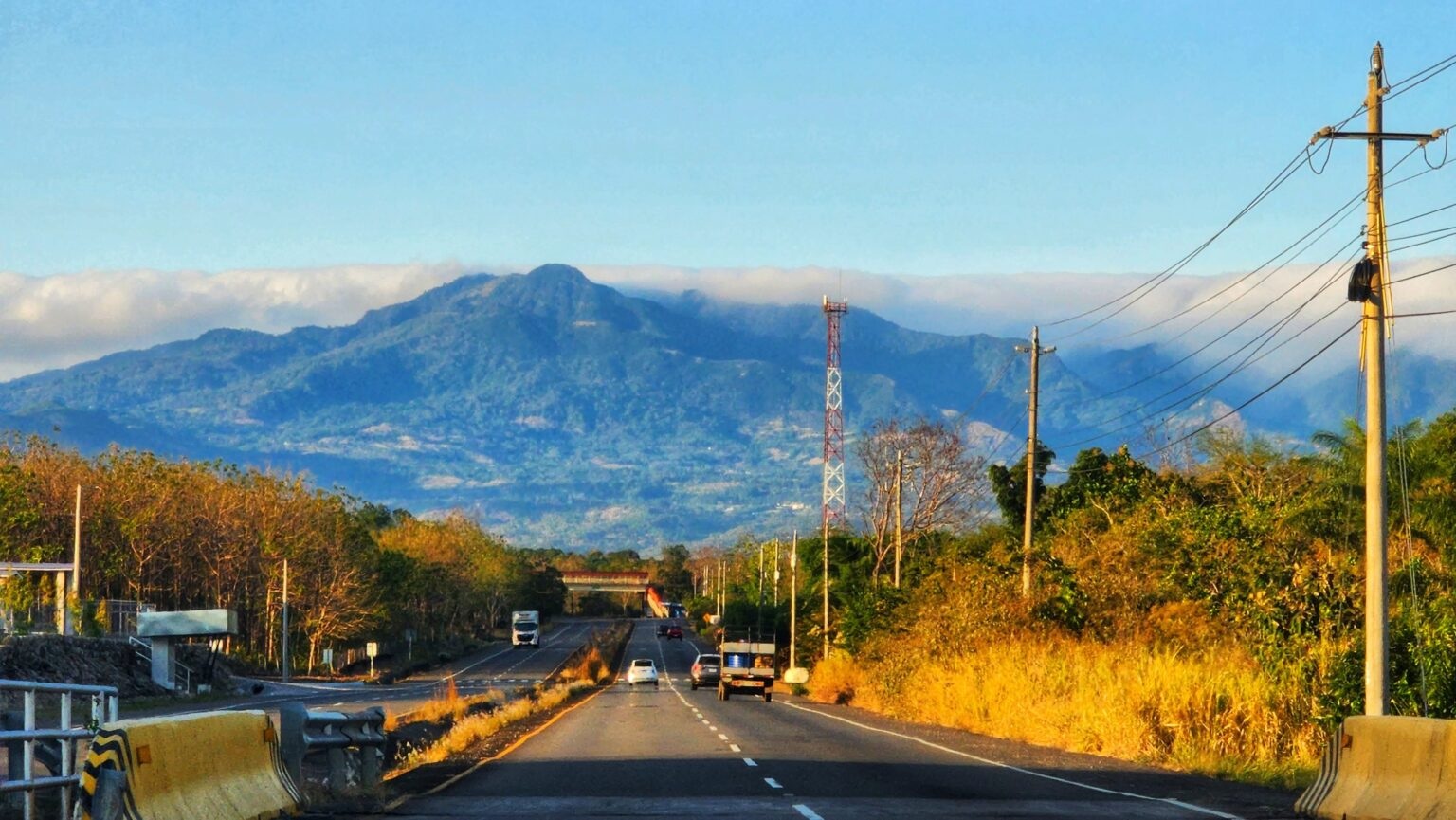
Prioritizing its Alliance with Panama, China Assumes Presidency of the UN Security Council
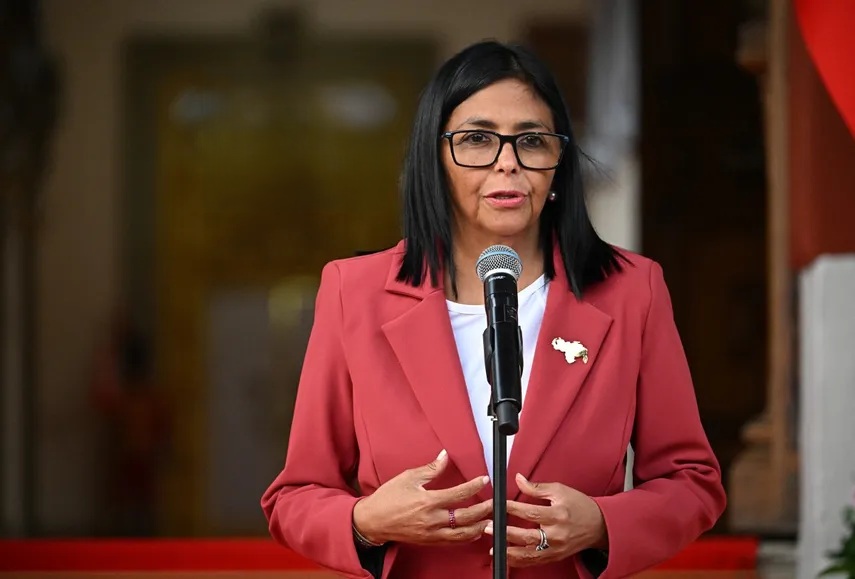
Ambassador Xu Xueyuan pictured below highlights the ‘close coordination’ between the two nations within the international organization to promote peace.
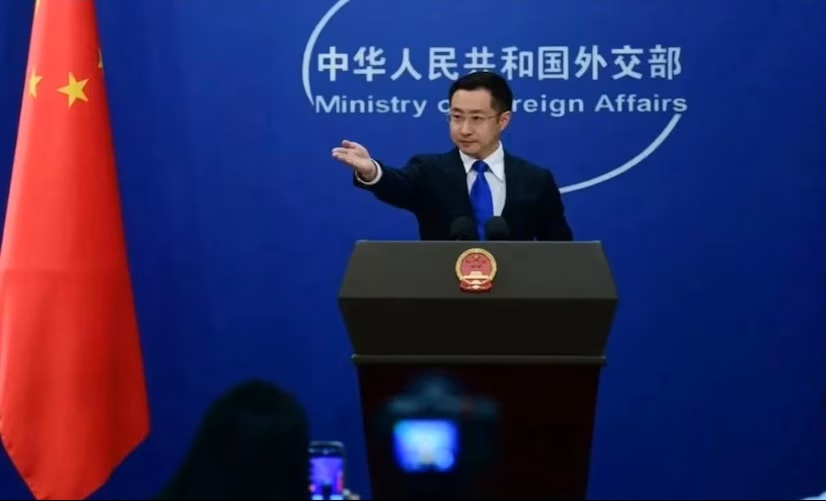
China began its presidency of the United Nations Security Council on Saturday, May 2, underscoring its strategic alliance with Panama. Through his social media, the diplomat highlighted that China, in its role as a permanent member, and Panama, as a non-permanent member (2025-2026 period), have maintained fluid communications.
Rubio Warns China after Panama Ship Detentions and Calls Hemisphere Sovereignty ‘Non-Negotiable’
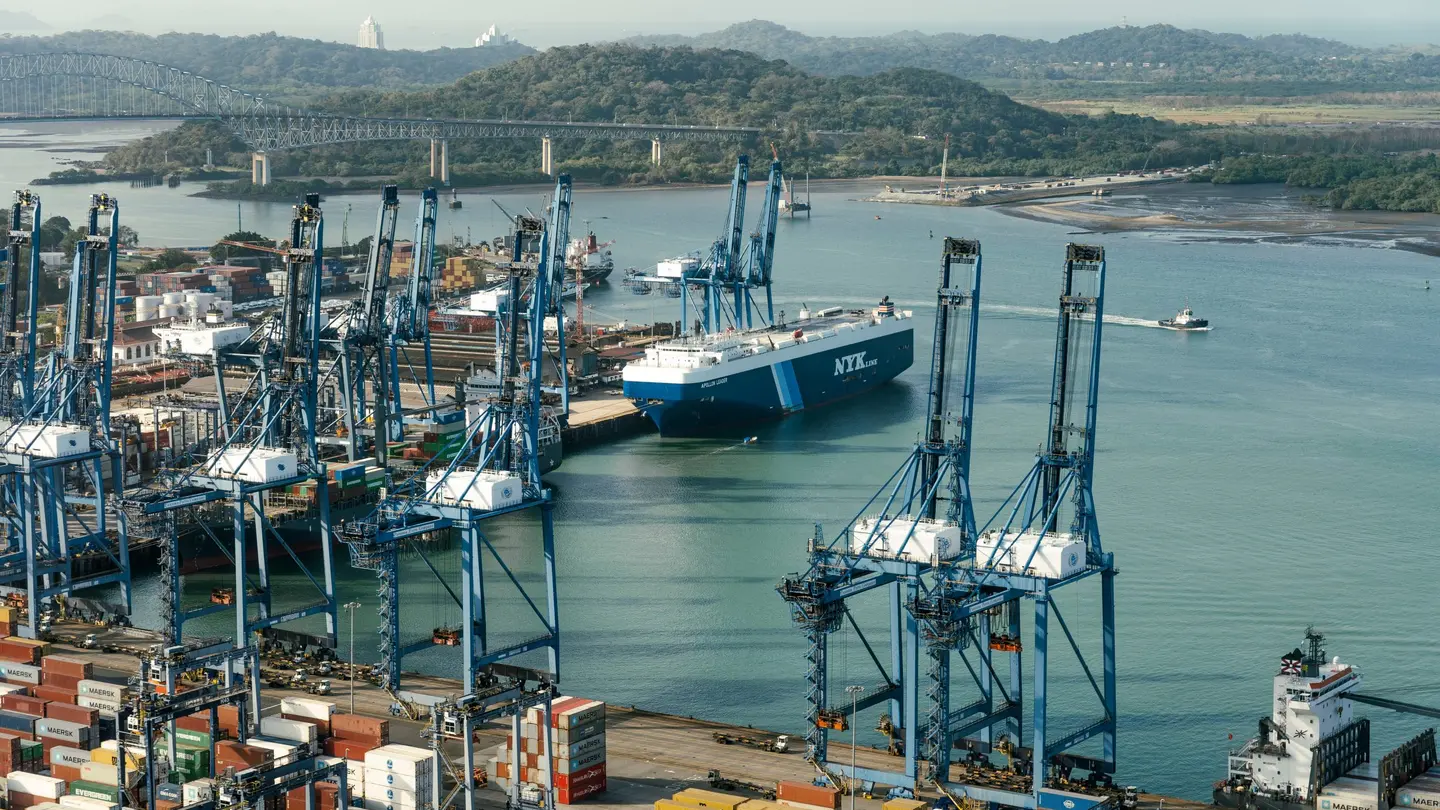
Containers and cranes at the Port of Balboa at the Pacific entrance of the Panama Canal in Panama City, Panama
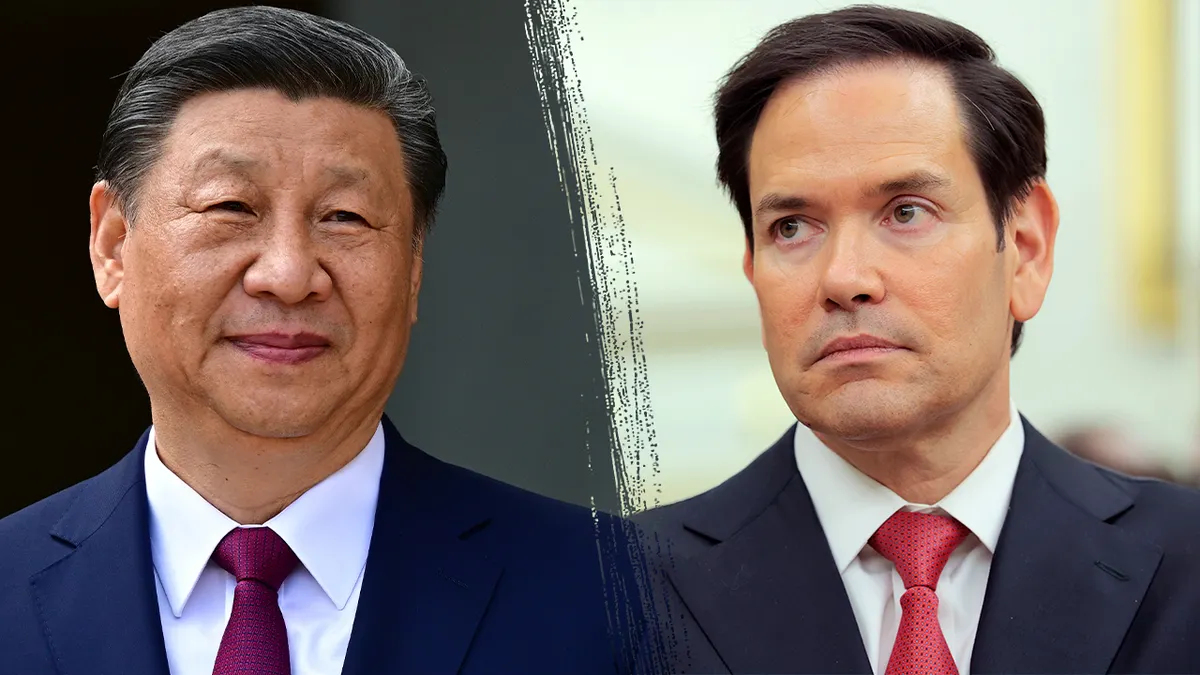
Secretary of State Marco Rubio warned China that “the sovereignty of our hemisphere is non-negotiable” after the U.S. and regional allies accused Beijing of detaining Panama-flagged ships in a dispute tied to canal port control. In a joint statement with Bolivia, Costa Rica, Guyana, Paraguay and Trinidad and Tobago, the U.S. said China’s actions targeting Panama-flagged vessels were a “blatant attempt to politicize maritime trade” and infringe on regional sovereignty, framing the dispute as a broader strategic test over control of one of the world’s most critical commercial arteries.

While the Panama dispute centers on shipping detentions rather than a physical blockade, critics increasingly view it alongside battles over other strategic choke points, such as the Strait of Hormuz, as part of a widening contest over whether Beijing or Washington will shape the rules governing global trade and energy corridors. The confrontation follows Panama’s Supreme Court decision earlier in 2026 to invalidate the legal framework behind Hong Kong-based CK Hutchison’s long-held control of the Balboa and Cristobal terminals flanking the Panama Canal, a choke point that handles roughly 5% of global maritime trade. U.S. regulators have monitored nearly 70 Panama-flagged vessels detained by Chinese authorities since March 8, according to news agencies. A surge appears designed to retaliate against Panama and pressure global shipping say American officials.
“China has used Iran to destabilize the Middle East. In effect, Iran has been China’s proxy,” China expert Gordon Chang told reporters, arguing Beijing’s actions in Panama fit a broader global pattern in which China uses economic leverage, trade pressure and regional partners to expand influence while condemning similar tactics from Washington. Chang said Beijing is now facing growing resistance as the U.S. increasingly moves not only against China directly, but also against governments and geopolitical flash points he argues have strengthened Beijing’s hand. “Trump apparently decided that he would counter this sly tactic by taking China’s proxies — Venezuela, Cuba and Iran — off the board,” Chang said.
Panama President Mulino says the Port is Caught in the US-China dispute
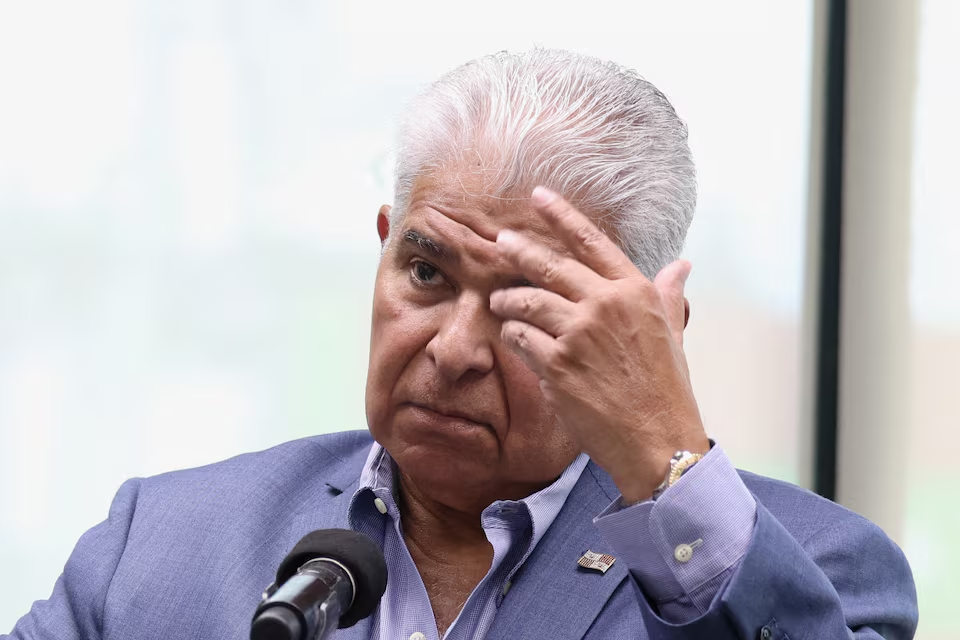
PANAMA CITY: Panama President Jose Raul Mulino said his country maintains a positive relationship with China despite being caught up in a dispute between the Asian superpower and the U.S., and defended Panama’s takeover of port contracts held by Hong Kong’s CK Hutchison. He spoke at a regular press conference after receiving what he called a “high-level” message from China’s government acknowledging that a dispute over the port contracts will be heard by international arbitration courts, and did not constitute an issue between the Panamanian and Chinese governments.