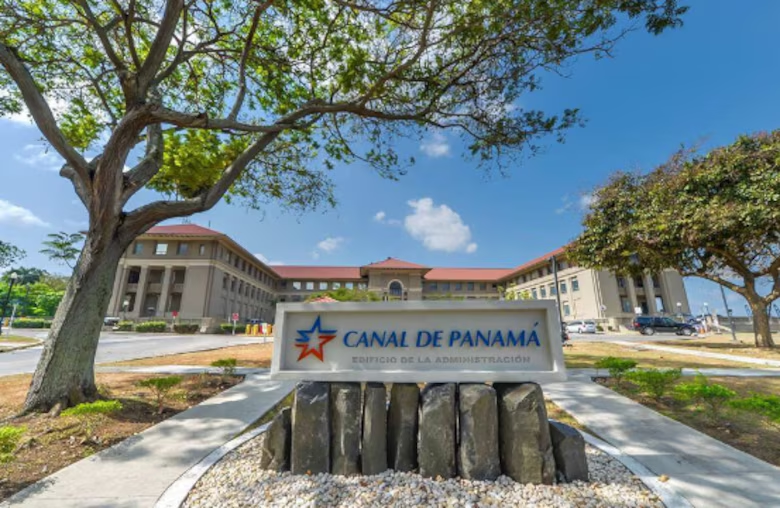

A High-Profile Latin America Transit: U.S. Warships Entering Panamanian Waters
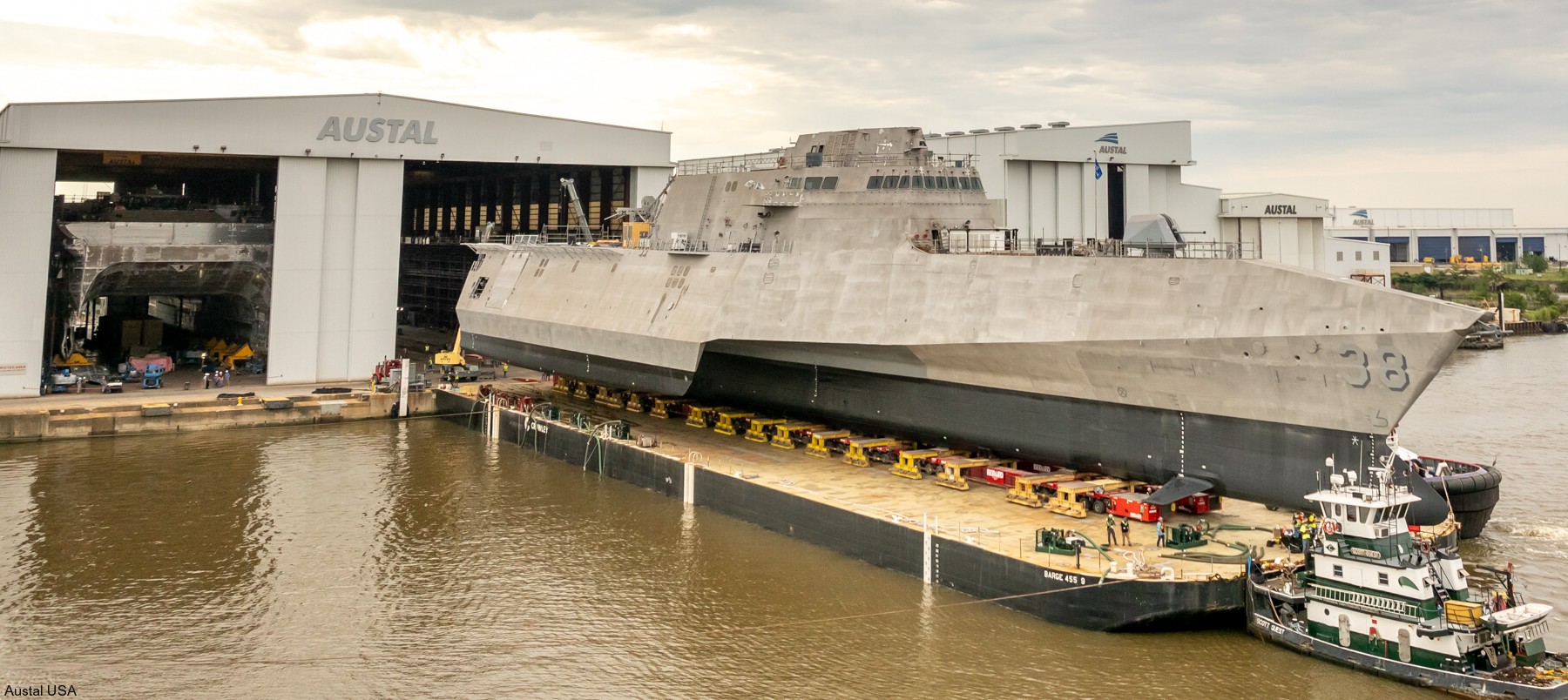
Warships—primarily from the United States Navy—regularly transit, dock, or operate near Panama. As of early 2026, U.S. warships, including destroyers and cruisers, have been reported docking in Panama for regional security operations, such as Operation South Seas 2026, and to transit the Panama Canal.
Key Details Regarding Warships in Panama

- U.S. Navy Presence: U.S. warships frequently use the Panama Canal and visit ports for, including to combat regional drug trafficking.
- Neutrality Treaty: According to, the Panama Canal Neutrality Treaty guarantees the right of vessels from all nations to pass through the canal, provided they pay tolls and comply with regulations.
- Recent Activity: Reports from 2025 and 2026 indicate a strong U.S. naval presence, with ships like the USS Lake Erie and USS Pierre seen in the area, sometimes conducting exercises or being stationed near the Caribbean to monitor regional security.
- Security Cooperation: U.S. vessels sometimes coordinate with local Panamanian units, such as SENAN, for surveillance of the canal.
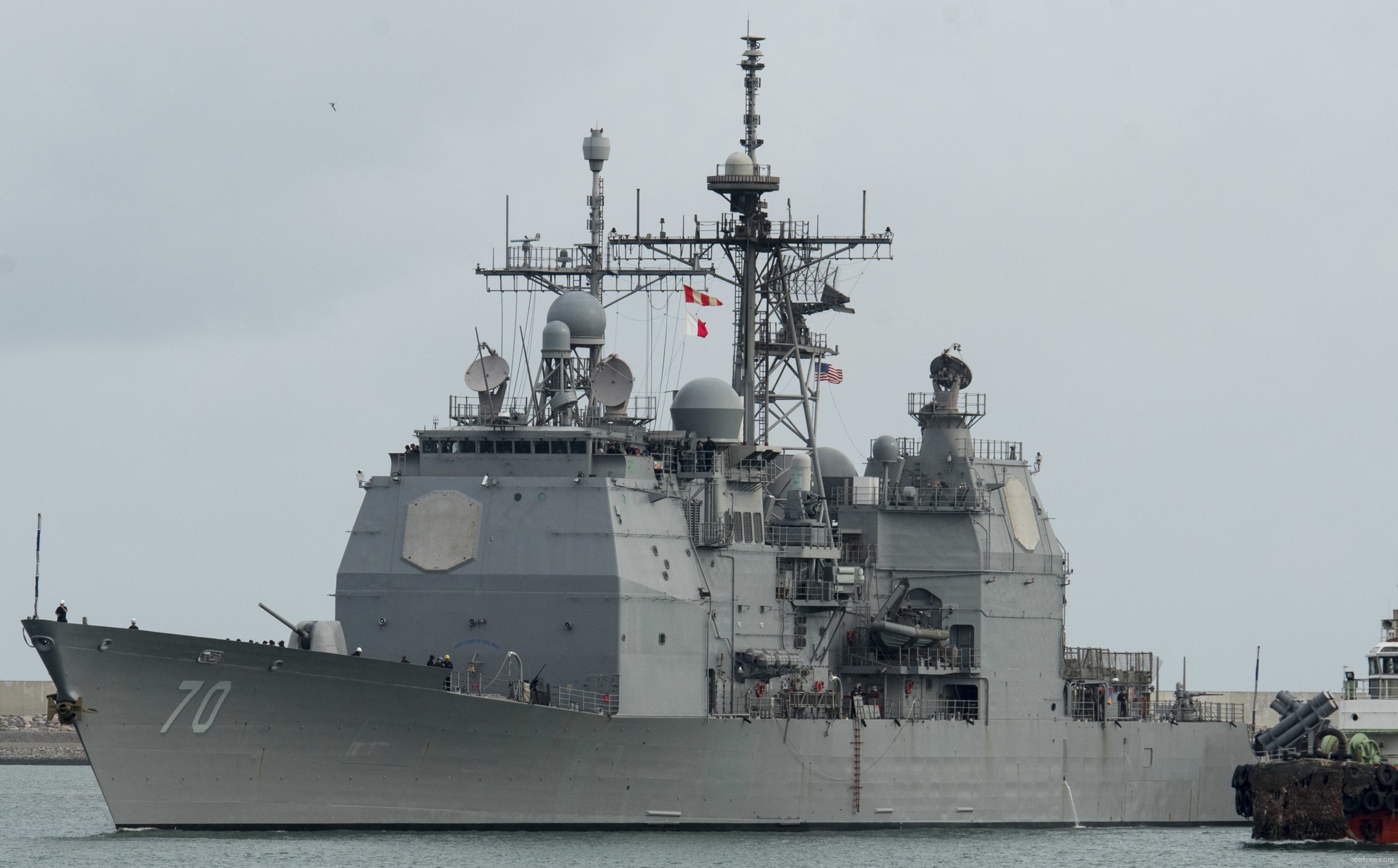
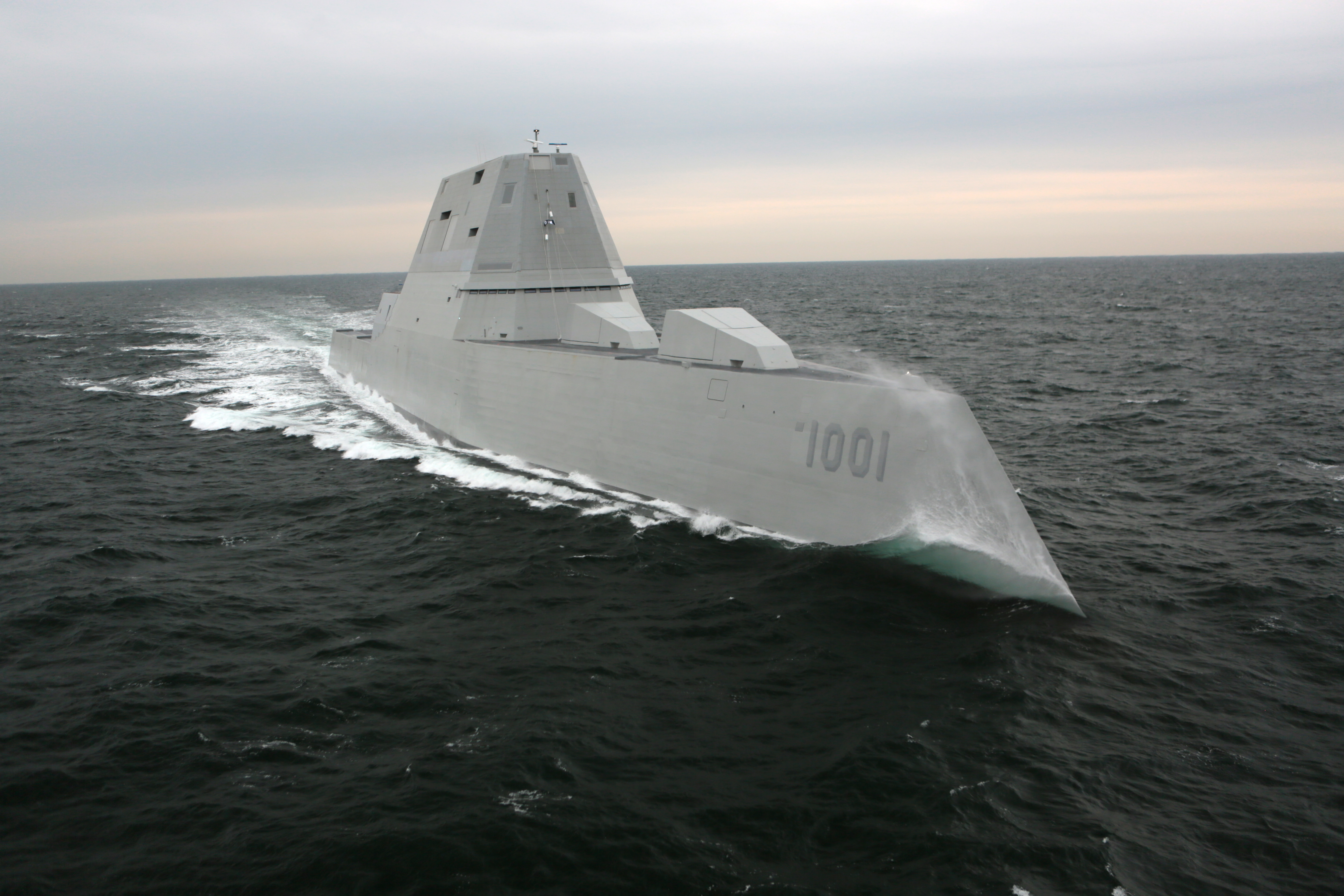
A U.S. aircraft carrier measuring 333 meters and a missile destroyer have entered Panamanian waters, bringing thousands of American sailors into one of the region’s most strategic maritime corridors. The visit comes as Washington moves one of its most visible naval assets through Latin America. The carrier’s presence immediately places Panama at the center of a major military transit. Because the country sits at the crossroads of the Caribbean Sea, the Pacific Ocean, and the Panama Canal, any large naval movement through its waters carries geopolitical weight well beyond the local horizon. Panama is among the most important transit points in the Western Hemisphere. The Panama Canal remains essential for global commerce, and the country’s waters are regularly watched by shipping, defense, and diplomatic interests.
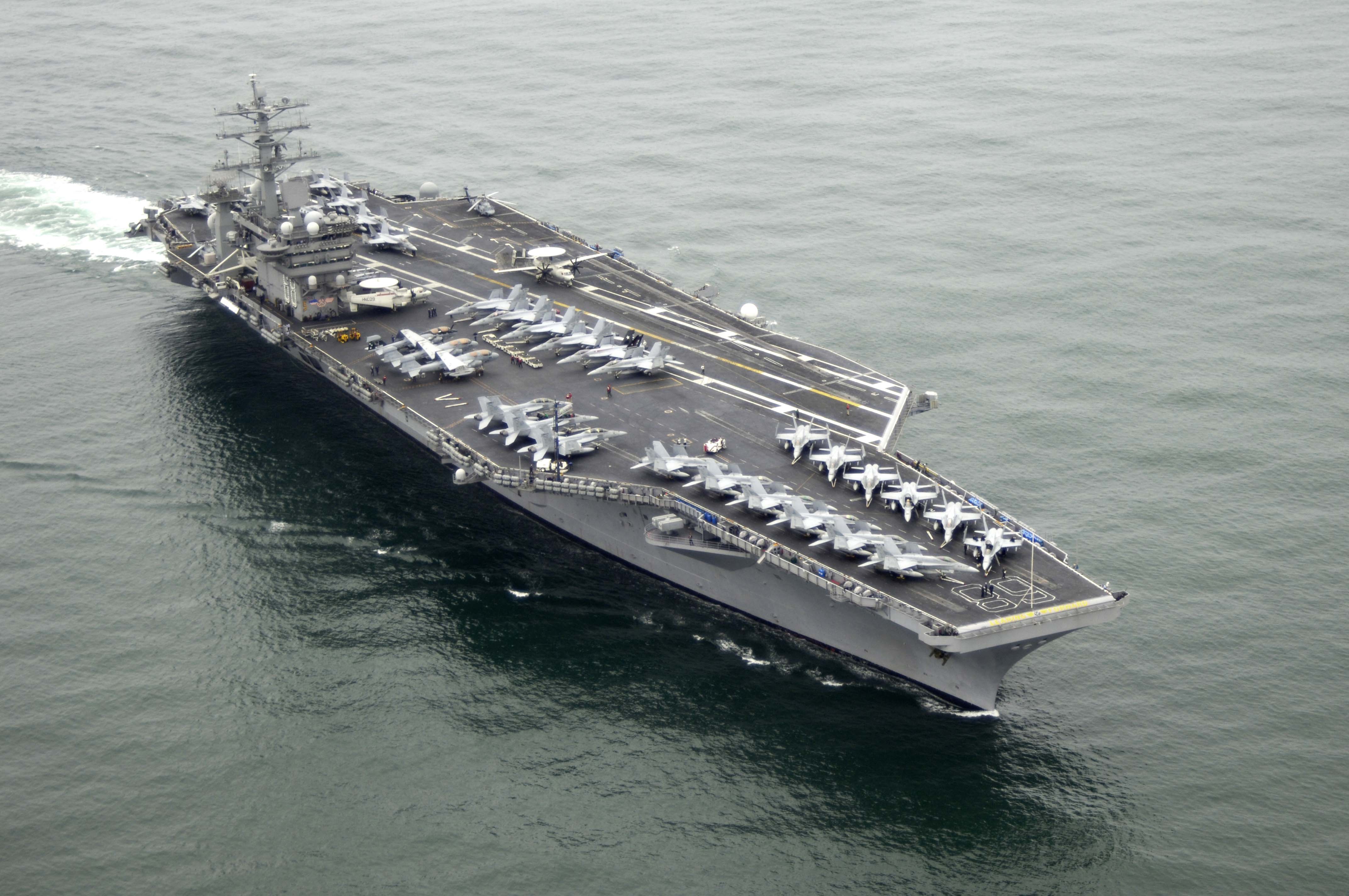
A major U.S. naval stop in Panamanian waters underscores how closely the country remains tied to regional security routes. The arrival of a carrier strike group also reflects the scale of U.S. naval reach in Latin America. Aircraft carriers are among the largest and most recognizable symbols of American military power, and their movement through the region often draws attention from governments, analysts, and the public alike. Large naval deployments can serve multiple purposes at once: visible deterrence, maritime presence, training, and diplomatic signaling. In a region where sea-lanes are vital for trade and defense, the passage of a carrier and destroyer through Panamanian waters is likely to be closely observed by neighboring countries and international stakeholders. For Panama, the visit highlights the country’s role as a strategic gateway between oceans.
Its location gives it outsized relevance in shipping and security discussions, especially when major foreign military vessels move through the area. The presence of thousands of U.S. sailors in Panamanian waters places renewed attention on Latin America’s maritime geography. Even when the movement is temporary, such deployments can influence how governments assess regional balance, naval cooperation, and the importance of key transit corridors. As one of the most visible naval symbols in the world travels through the hemisphere, Panama once again appears at the intersection of global trade and international security. The country’s waters continue to serve as a passage not only for commercial shipping, but also for high-profile military movements with broad regional implications.
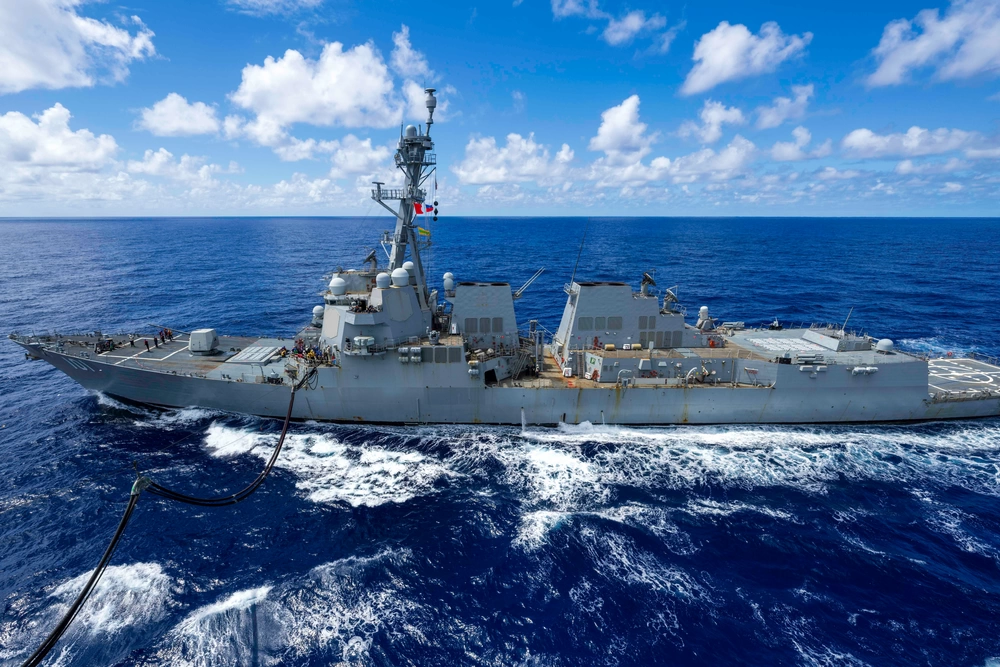
As of March/April 2026, the US Navy is conducting the Southern Seas 2026 mission, involving a carrier group in Panamanian waters to bolster regional security and partnership, highlighting a continued U.S. presence. This follows significant 2025 operations in the region focused on anti-drug efforts, including the USS Lake Erie and other vessels. The US Navy deployed a carrier group for a mission near Panama in March 2026, including the USS Gridley, aiming to strengthen security and interoperability between the U.S. and Panama.
- 2025 Caribbean Operations: Throughout late 2025, several U.S. warships—including the USS Lake Erie, USS Sampson, and USS Stockdale—entered the Panama Canal as part of a significant buildup for counter-narcotics efforts in the Caribbean.
- Purpose: These missions are officially framed as operations to support maritime security, combat drug trafficking, and maintain stability, often highlighting the partnership between the U.S. and Panamanian forces.
- Context: While U.S. Navy vessels frequently transit the Panama Canal, the 2025 deployments were noted for their intensity, with multiple ships passing through over several months.
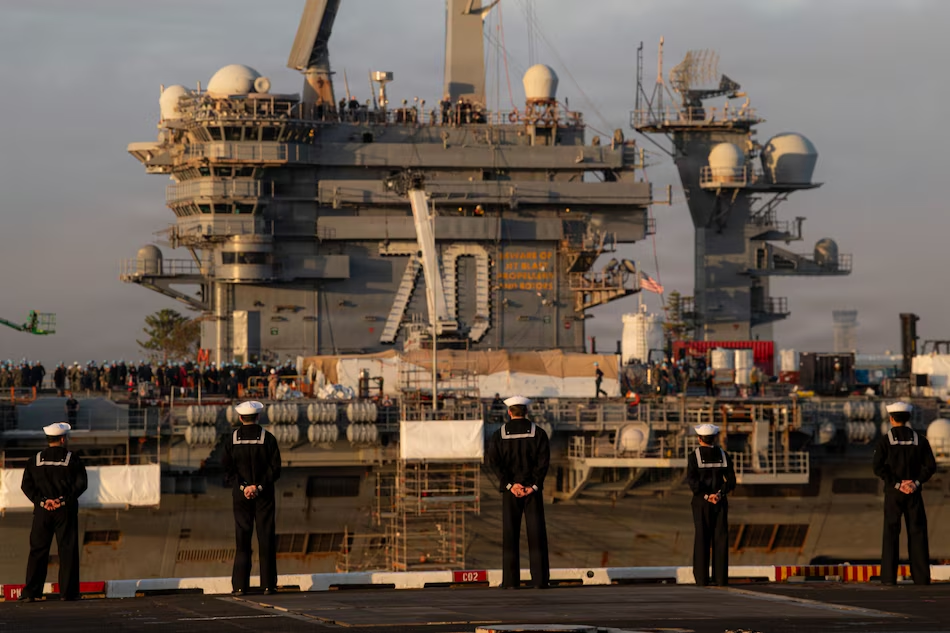
As of late March and early April 2026, the USS Nimitz (CVN 68) aircraft carrier and the guided-missile destroyer USS Gridley (DDG 101) were in Panamanian waters.
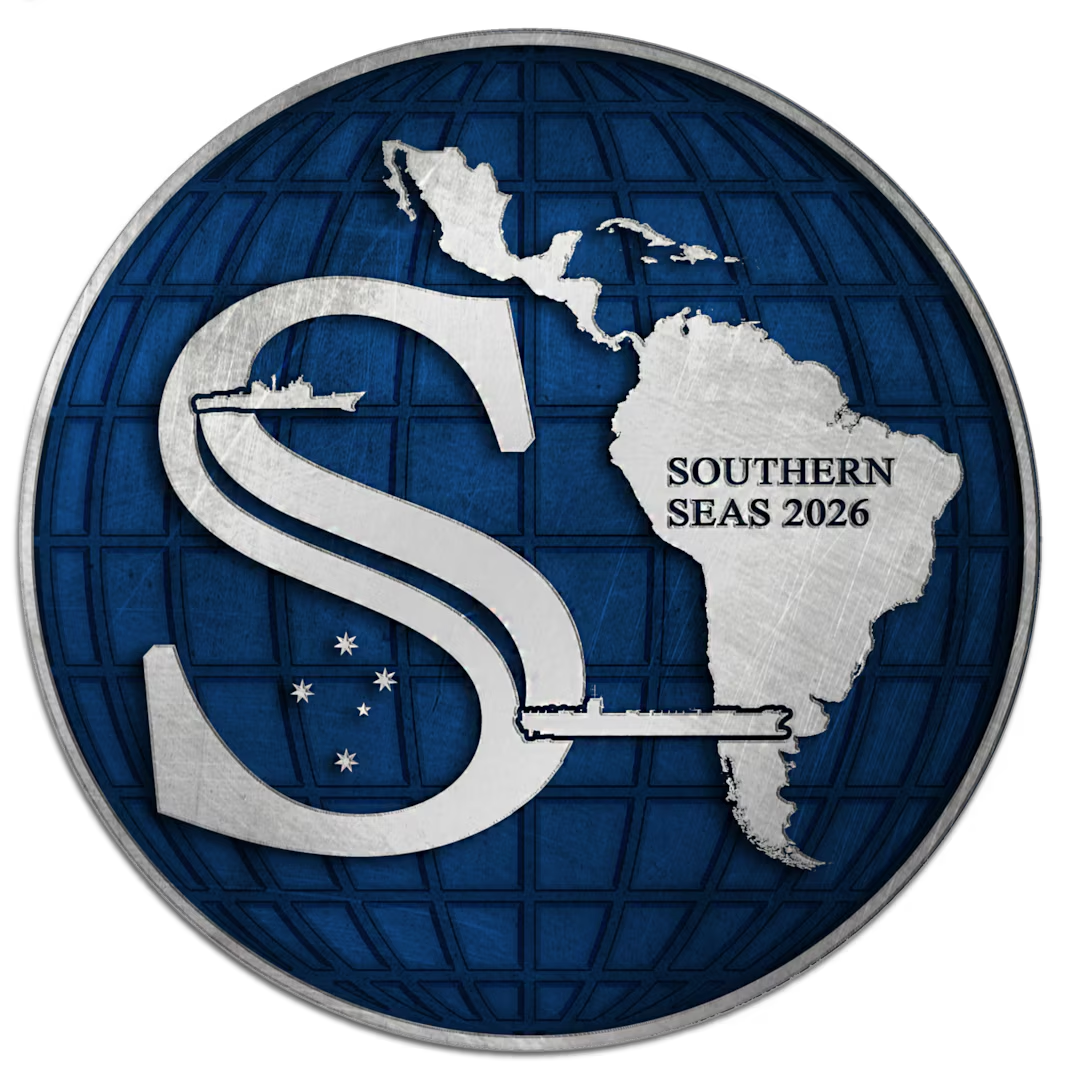
- Visit Details: The vessels were in Panama from March 29 to April 2, 2026, as part of the “Southern Seas 2026” multinational maritime exercise.
- Significance: This marks the first visit of a U.S. aircraft carrier to Panama in over 50 years.
- Locations: The USS Gridley docked at the Amador Cruise Port in Panama City, while the USS Nimitz remained anchored in the Gulf of Panama.
- Purpose: The visit aims to strengthen security cooperation, combat transnational threats like drug trafficking, and conduct joint exercises with Panamanian forces.
Note: The USS Nimitz is scheduled for decommissioning in 2026 and this visit waspart of its final deployment.
News | 2026
U.S. 4th Fleet Announces Southern Seas 2026 Deployment
By U.S. Naval Forces Southern Command/U.S. Fourth Fleet Public Affairs
SAN DIEGO: Nimitz-class aircraft carrier USS Nimitz (CVN 68) was deployed to the U.S. Southern Command area of responsibility as part of U.S. Naval Forces Southern Command/U.S. 4th Fleet’s Southern Seas 2026 deployment. Nimitz and Arleigh Burke-class guided-missile destroyer USS Gridley (DDG 101) conducted passing exercises and operations at sea with partner nation maritime forces as the ships circumnavigate the continent of South America. Southern Seas 2026 will feature subject matter expert exchanges and provide the opportunity for distinguished visitors from partner nations to see aircraft carrier operations up close. Engagements were planned with Argentina, Brazil, Chile, Colombia, Ecuador, Peru, Mexico, El Salvador, Guatemala, and Uruguay, with port visits for Brazil, Chile, Panama, and Jamaica. “The Southern Seas 2026 deployment provides a unique opportunity to enhance interoperability and increase proficiency with our partner-nation forces across the maritime domain,” said Rear Adm. Carlos Sardiello, commander, U.S. Naval Forces Southern Command/U.S. 4th Fleet.
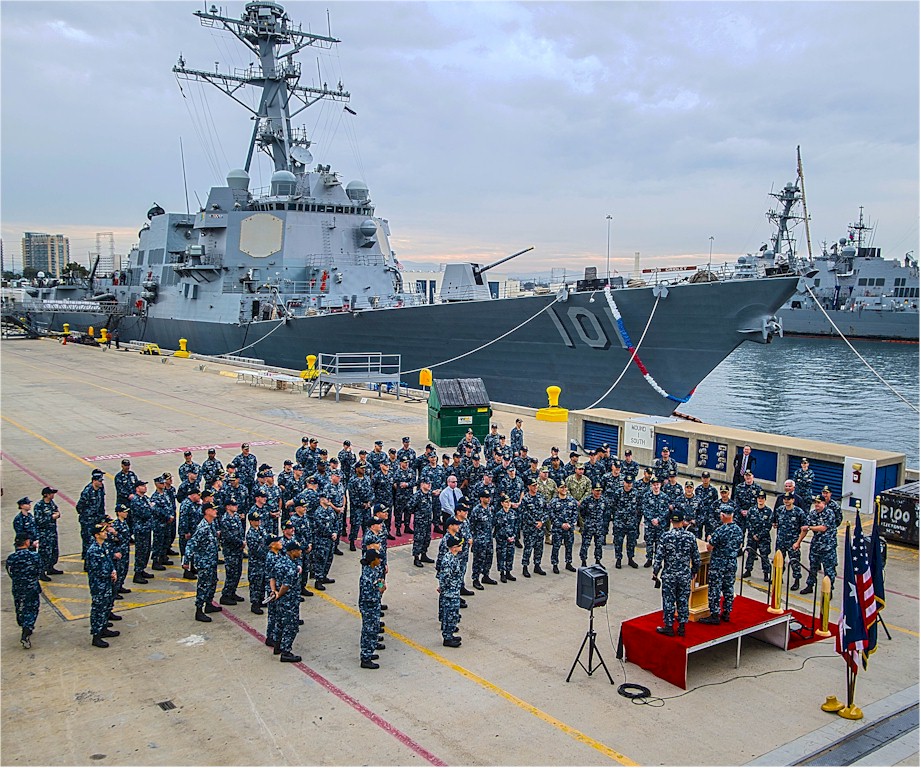
“Deployments like this demonstrate our unwavering commitment to ensuring a secure and stable Western Hemisphere. This mission is a shining example of our dedication to strengthening maritime partnerships, building trust, and working together to counter shared threats.” “We looked forward to continuing the Nimitz legacy of teamwork as we engaged with and trained alongside our regional partners,” said Rear Adm. Cassidy Norman, commander, Carrier Strike Group 11. Southern Seas 2026 marks the 11th iteration of the exercise to the region since 2007. Like the previous deployments, Southern Seas 2026 fosters goodwill, strengthens maritime partnerships, counters threats, and builds our team. Nimitz-class aircraft carriers are the pinnacle of mobile projection of naval air power and forward operational presence.
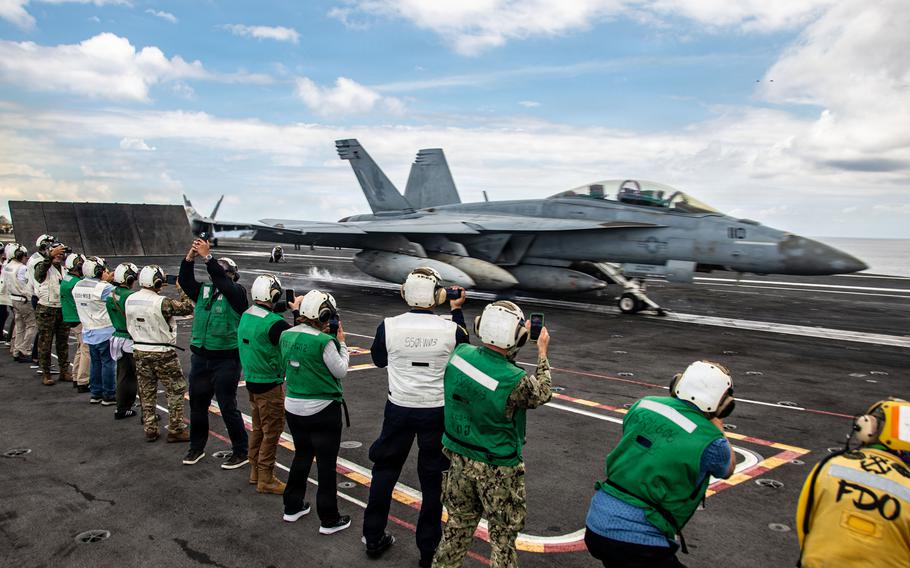
No other weapons system has the responsiveness, endurance, multi-dimensional might, inherent battlespace awareness, or command and control capabilities of a carrier strike group and embarked air wing. The Nimitz Carrier Strike Group consists of Nimitz, its flagship; embarked staff of Carrier Strike Group 11; DESRON 9; embarked Carrier Air Wing (CVW) 17; and Gridley. CVW 17 consists of six squadrons flying F/A-18E/F Super Hornets, EA-18G Growlers, C-2A Greyhounds, and MH-60R/S Sea Hawks. These squadrons include Helicopter Maritime Squadron (HSM) 73, Helicopter Sea Combat Squadron (HSC) 6, Fleet Logistics Support Squadron (VRC) 40, Strike Fighter Squadron (VFA) 22, VFA-137, and Electronic Attack Squadron (VAQ) 139. USNAVSOUTH/FOURTHFLT is the trusted maritime partner for Caribbean, Central and South America maritime forces improving regional unity and security.