What a Personal Injury Lawyer in Livermore Can Do for Your Case

According to the Bureau of Justice Statistics, roughly 95% of personal injury cases settle before ever reaching trial — yet the decisions made in the first 48 hours after an accident often determine whether that settlement is fair or falls dramatically short. As courts across California grapple with rising case volumes and insurance companies refine their tactics for minimizing payouts, the gap between informed claimants and those navigating the process blind continues to widen.
Consider someone rear-ended at a stoplight in Livermore who feels fine at the scene but wakes up three days later with severe neck pain. By then, the other driver’s insurance company has already called twice asking for a recorded statement, and crucial evidence from the accident scene may already be disappearing. This scenario plays out daily across the Tri-Valley area, where seeking legal help for injury cases and understanding the lawyer’s actual role — beyond the basic “they handle your case” — can mean the difference between adequate compensation and years of financial strain.
The personal injury claim process involves specific legal procedures, evidence requirements, and negotiation strategies that most people never encounter until they need them. Here’s what actually happens when you work with an accident injury lawyer, how different case types require different approaches, and what you should expect throughout the process.
How Personal Injury Lawyers Manage Your Claim
Personal injury lawyers follow a systematic approach that begins the moment they evaluate your case. The initial assessment involves reviewing medical records, gathering police reports, and determining whether you have grounds for a viable claim under California law. This evaluation phase typically takes 1-2 weeks and helps establish the foundation for everything that follows.
Once they accept your case, lawyers immediately begin evidence preservation. This includes securing traffic camera footage (which many businesses delete after 30-60 days), photographing vehicle damage, documenting road conditions, and identifying witnesses before memories fade. In Livermore’s busy corridors like First Street or Vasco Road, this evidence collection happens quickly — waiting even a week can mean losing critical documentation.
The legal filing process involves preparing a formal complaint that outlines your injuries, the defendant’s liability, and your damages. Your lawyer handles all court filings, ensures compliance with California’s procedural rules, and manages the complex paperwork that moves your case through the system. They also coordinate with medical providers to ensure your treatment records properly document the connection between your injuries and the accident.
Settlement negotiations typically begin once your medical treatment reaches maximum improvement. Your lawyer presents a demand package to the insurance company that includes medical records, lost wage documentation, expert reports, and a detailed argument for compensation. Most insurance companies respond with a counteroffer, beginning a negotiation process that can take several months.
Throughout this process, your lawyer shields you from insurance company tactics designed to minimize payouts. They handle all communications with adjusters, prevent you from making statements that could hurt your case, and ensure that settlement discussions don’t begin until they have a complete picture of your damages. This systematic approach explains why represented claimants typically receive significantly higher settlements than those who handle claims themselves.
Types of Personal Injury Cases in Livermore
Different accident types create distinct legal challenges that require specialized knowledge of liability standards and proof requirements. The nature of your accident determines which laws apply, what evidence matters most, and how compensation gets calculated.
Premises liability cases — including slip and falls in shopping centers or injuries from defective property conditions — require proving that the property owner knew or should have known about the dangerous condition. In Livermore’s retail districts, this often involves obtaining maintenance records, security footage, and employee incident reports that show how long a hazard existed before causing injury.
Product liability claims arise when defective products cause injury, whether from manufacturing defects, design flaws, or inadequate warnings. These cases require technical expertise to identify the defect, trace the product’s distribution chain, and prove that the defect directly caused your injury. Expert witnesses often play crucial roles in demonstrating how the product failed to meet safety standards.
Car, Pedestrian, and Motorcycle Injury Cases
Vehicle-related accidents in Livermore present unique challenges due to the area’s mix of residential streets, commercial zones, and highway access points. Car accident cases typically center on proving negligence through traffic violations, distracted driving, or failure to yield right-of-way. Police reports provide the initial framework, but lawyers often need accident reconstruction experts to establish exactly what happened, especially in complex multi-vehicle scenarios.
Pedestrian injury cases require demonstrating both driver negligence and establishing that the pedestrian wasn’t at fault under California’s comparative negligence laws. These cases often involve crosswalk violations, visibility issues, or drivers failing to yield. The severity of pedestrian injuries — often involving head trauma, broken bones, or spinal cord damage — makes thorough medical documentation essential.
Motorcycle accidents present particular challenges because of bias against motorcyclists and the severity of injuries involved. Lawyers must overcome assumptions that the rider was speeding or reckless while documenting how car drivers often simply don’t see motorcycles. These cases require detailed analysis of road conditions, sight lines, and vehicle positioning to establish liability.
The evidence requirements for vehicle cases include police reports, witness statements, medical records, and often expert testimony about accident reconstruction, vehicle mechanics, or medical causation. Success depends on building a comprehensive record that accounts for all contributing factors while clearly establishing the other party’s negligence.
How Compensation Is Determined in Personal Injury Cases
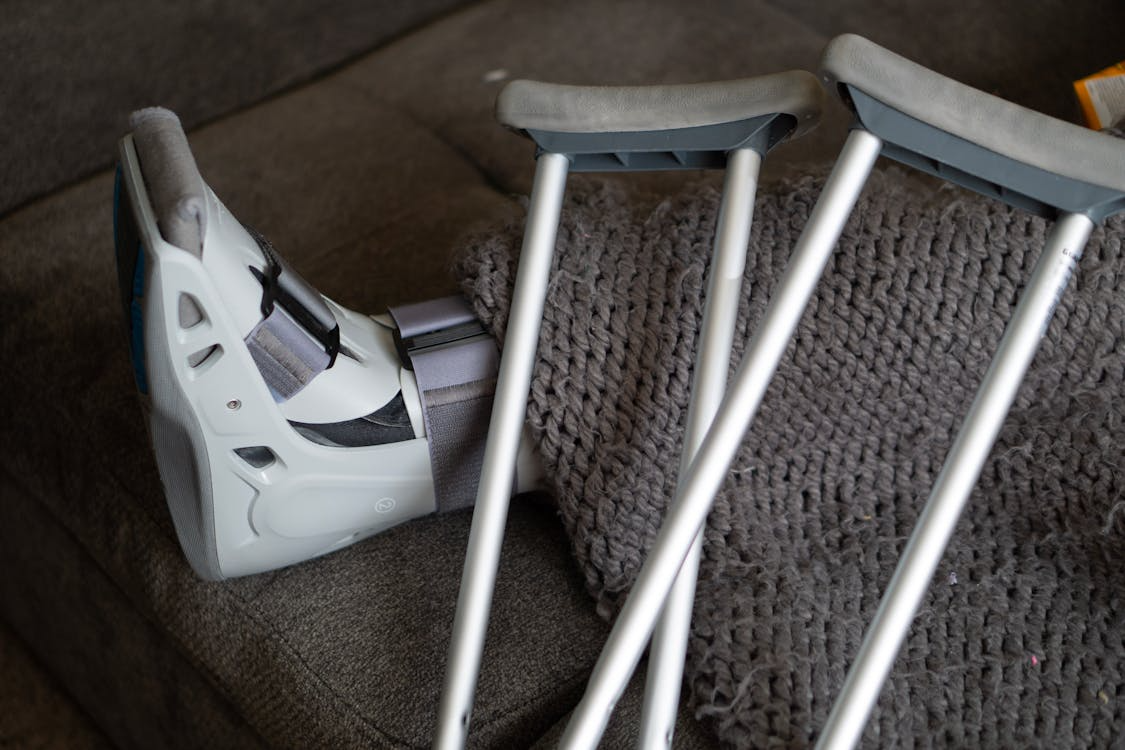
Compensation in personal injury cases falls into two main categories: economic damages and non-economic damages. Economic damages include medical expenses, lost wages, future treatment costs, and property damage — essentially the measurable financial impact of your injury. Your lawyer documents these damages through medical bills, employment records, expert testimony about future medical needs, and repair estimates.
Non-economic damages compensate for pain and suffering, emotional distress, loss of enjoyment of life, and physical impairment. California doesn’t cap these damages in most personal injury cases, but calculating them requires demonstrating how the injury affects your daily life, relationships, and future activities. Lawyers often use medical records, testimony from family members, and expert witnesses to quantify these intangible losses.
Proving liability requires establishing four elements: the defendant owed you a duty of care, they breached that duty, their breach caused your injury, and you suffered actual damages. In vehicle accidents, this might mean proving the other driver violated traffic laws. In premises liability cases, it could involve showing that a property owner failed to maintain safe conditions.
The strength of your liability case directly affects settlement negotiations. Insurance companies evaluate their risk of losing at trial and adjust their settlement offers accordingly. When liability is clear and damages are well-documented, settlements tend to be higher. When fault is disputed or damages are difficult to prove, negotiations become more challenging.
Settlement versus trial decisions depend on multiple factors: the strength of your case, the insurance company’s settlement offer, the potential jury verdict, and your willingness to endure a lengthy trial process. Your lawyer evaluates these factors and advises whether accepting a settlement or proceeding to trial serves your best interests. In cases where legal help for injury cases becomes necessary, having experienced counsel makes this critical decision much more informed.
Choosing and Working with a Personal Injury Lawyer
Personal injury lawyers typically work on a contingency fee basis, meaning they only get paid if you recover compensation through settlement or trial verdict. Standard contingency fees in California range from 33% to 40% of your recovery, with the percentage sometimes increasing if the case goes to trial. This arrangement allows injured people to access quality legal representation without upfront costs.
Beyond the contingency fee, you’re responsible for case expenses like medical record copies, expert witness fees, court filing costs, and investigation expenses. Some lawyers advance these costs and deduct them from your settlement, while others require payment as expenses arise. Understanding this financial arrangement upfront prevents surprises later.
Fees and Client Expectations
Your lawyer should explain their fee structure clearly and provide a written agreement outlining all terms. This includes the contingency percentage, how expenses are handled, what happens if you don’t recover compensation, and any circumstances that might affect the fee arrangement. Don’t hesitate to ask questions about costs — a good lawyer welcomes these discussions.
Effective communication with your lawyer requires understanding their role and responsibilities. They handle all legal aspects of your case, communicate with insurance companies, coordinate medical record collection, and advise you on settlement decisions. Your responsibilities include attending medical appointments, following treatment recommendations, providing requested documents promptly, and keeping your lawyer informed of any changes in your condition.
Expect regular updates about your case’s progress, but understand that personal injury cases move slowly. Initial investigation and medical treatment can take months, and settlement negotiations often extend the timeline further. Your lawyer should explain these timeframes and keep you informed of significant developments, but daily communication isn’t necessary or practical.
The attorney-client relationship works best when built on trust and clear expectations. Your lawyer should answer questions promptly, explain legal concepts in understandable terms, and involve you in major decisions about your case. If communication breaks down or you lose confidence in your lawyer’s handling of your case, you have the right to seek new representation.
Legal Timelines and Key Procedures in Injury Claims
California’s statute of limitations gives you two years from the date of injury to file a personal injury lawsuit. This deadline is absolute — missing it typically means losing your right to compensation permanently. However, the discovery rule can extend this timeline in cases where injuries aren’t immediately apparent, such as delayed-onset concussion symptoms or gradual repetitive stress injuries.
Government entity claims face much shorter deadlines. If your injury involves a city vehicle, dangerous road conditions, or other government negligence, you must file a claim within six months of the incident. This compressed timeline makes immediate legal consultation crucial for any accident involving public entities in Livermore.
Evidence preservation begins immediately after your accident. Medical records document your injuries and treatment, but they only tell part of the story. Witness statements, accident scene photographs, and physical evidence create the foundation for proving liability. Your lawyer coordinates this evidence collection while you focus on medical recovery.
The formal legal process begins when your lawyer files a complaint in court. The defendant then has 30 days to respond, and both sides enter the discovery phase, where they exchange information, take depositions, and build their cases. Discovery can last six months to two years, depending on case complexity.
Most personal injury cases reach resolution during settlement negotiations rather than proceeding to trial. However, being prepared for trial strengthens your negotiating position and ensures you’re ready if settlement talks fail. The key is starting this process early enough to meet all deadlines while gathering the strongest possible evidence for your claim.
Understanding these timelines helps you make informed decisions about your case and ensures that critical deadlines don’t pass unnoticed. The combination of legal expertise, proper timing, and thorough preparation typically determines whether injury victims receive fair compensation for their losses.