How to Make Your First Gold Fast in WoW Classic
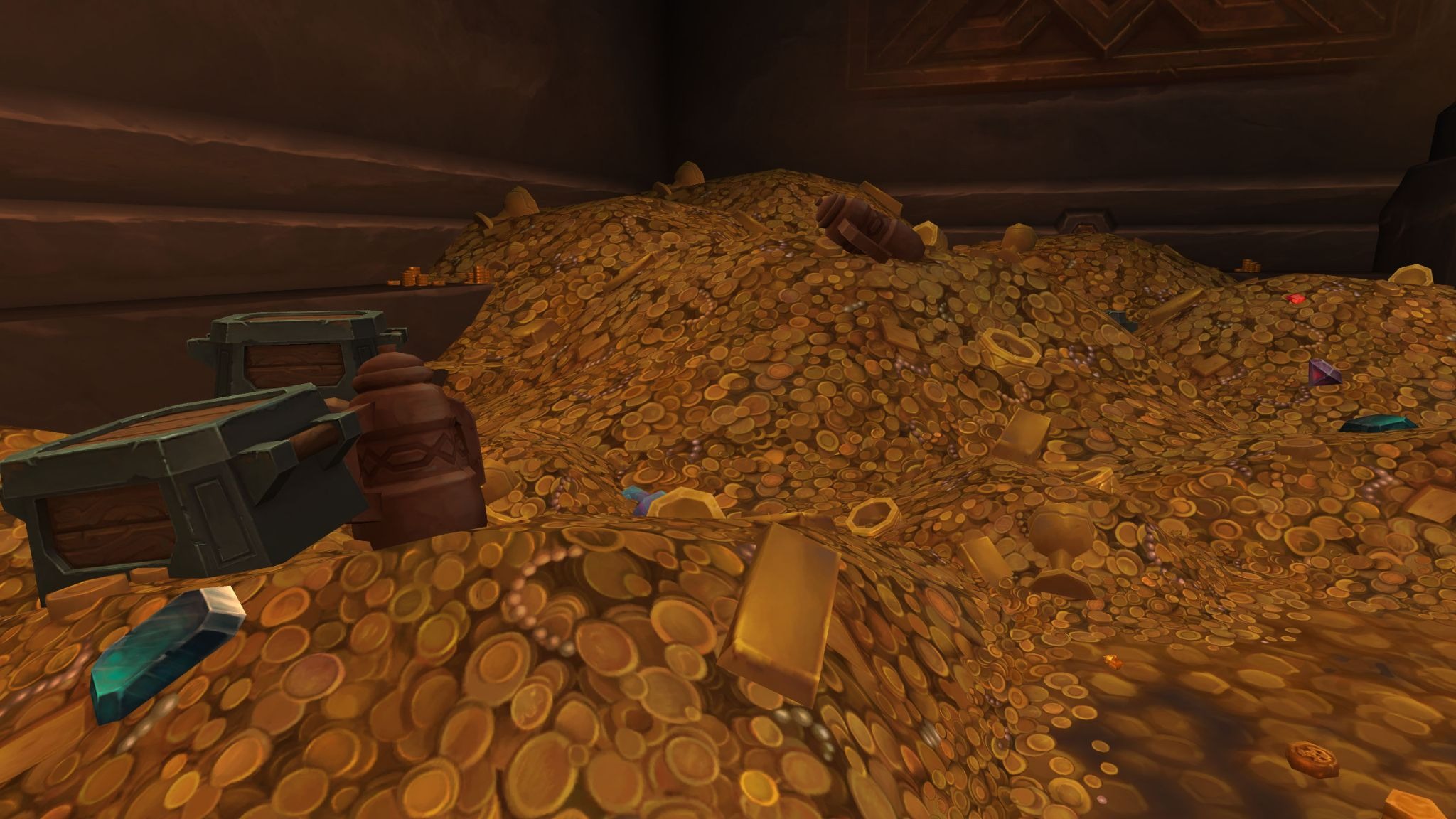
Guest Contribution – Gold in WoW Classic is not optional. It is the foundation of everything. Your mount at level 40 costs 80 gold. The epic mount at 60 costs over 900. Raid consumables (flasks, potions, food buffs) run up a consistent weekly bill. Gear repairs add up. Profession materials cost money before they make money. From the moment you create a character, the economy is working against you.
The fastest way to get your first gold without any grinding at all is simply to buy WoW Classic gold from a trusted platform and skip the early poverty entirely. For players who want to fund that first mount immediately or catch up to a guild, it is a clean solution. But for everyone who enjoys earning it themselves, there is real satisfaction in building your own gold pile from scratch. This guide covers the fastest legitimate methods from day one.
Selling Everything While You Level
The most common mistake new players make is vendoring grey and white items without checking the Auction House first. Many whites (linen cloth, wool cloth, light leather) sell for significantly more to other players than to vendors. The rule is simple. Greys go to the vendor. Everything else gets checked. Even low-level greens can sell for several silver on the AH. A couple of unexpected drops per session add up faster than it sounds.
Bags matter too. Start with the largest bags you can afford. More inventory space means fewer trips back to town. Fewer trips mean more time farming. Time is gold in Classic more literally than in any other version of the game.
Pick a Gathering Profession Early
The fastest gold for new players comes from gathering professions. Herbalism and mining, in particular, generate steady income throughout the leveling process because crafters always need raw materials.
Herbalism is particularly strong early. Herbs like Peacebloom and Mageroyal sell reliably because alchemists need them constantly. As you level through new zones, the herbs you collect become more valuable. Silverleaf, Briarthorn, and Mageroyal are always moving on the Auction House.
Mining pairs well with any melee class. Copper ore from Elwynn, Dun Morogh, or the Barrens sells consistently. As you push into higher-level zones, tin and iron follow the same pattern. Wowhead’s Classic herb and ore node maps at wowhead.com/classic are essential for planning efficient gathering routes through each zone. The key principle is this. Never gather without a destination. Know which zones have the highest node density for your current level. Run the route. Do not wander.
The Auction House Is Not Optional
Most new players avoid the Auction House because it feels complicated. That is a mistake. The AH is where your gathered materials become actual gold. Learning to use it early is one of the highest-return investments you can make.
The basic approach is straightforward. List materials slightly below the lowest current price. Not dramatically below, just enough to sell first. Check prices before listing, not after. Materials that look worthless can be valuable in bulk. Twenty stacks of linen cloth sell faster and for more total gold than individual items.
Do not undercut aggressively. Players who list wool at half the market rate hurt themselves and destabilise prices for everyone. Small undercuts move product without collapsing the market.
Dungeon Farming for Humanoid Mobs
Dungeons are the most efficient source of gold per hour once you have some levels and decent gear. Humanoid mobs drop cloth, which is always valuable. They also drop vendor trash, occasional greens, and even BoE blues that are worth a lot of gold.
Deadmines and Shadowfang Keep are the best early options. Both have dense humanoid populations. Both drop linen and wool cloth in quantity. Wool cloth, in particular, moves quickly because tailors need it in large amounts to level their profession.
The gimmick is efficiency. Clear quickly, loot everything, skip nothing. A slow run that leaves half the loot behind is less than a fast run that gathers it all. The enemy is downtime. The quicker you clear, the more runs per hour, the more gold per session.
A Few Rules That Save You More Than They Cost
Do not train every ability your class trainer offers. A lot of the skills are unnecessary upgrades to the skills you already possess. Check what you actually use before spending silver on new ranks. The savings are genuine.
Do not purchase equipment at the Auction House when leveling unless there is no dungeon drop or quest reward. The leveling gear is outdated after ten levels. The money you use on AH gear would be better spent on your mount.
Do not ignore secondary professions. Fishing generates passive income in certain zones. First Aid saves you healing potion costs. Cooking lets you make food buffs from materials you would otherwise vendor. None of these are dramatic gold sources. Together, they reduce how much gold you spend, which is functionally the same as earning it.
The Mount Is the Milestone
Everything in Classic gold-making before level 40 is preparation for one moment, buying your first mount. Sixty percent speed feels unremarkable until you have been running everywhere for thirty-nine levels. The mount changes how efficiently you farm, how quickly you level, and how much you can earn per hour.
Build toward it deliberately. Track your gold. Know what you need. Choose your farming sessions with that number in mind. Players who treat the mount as their primary financial goal for the first forty levels consistently arrive there faster than players who spend casually along the way. After that, the same discipline carries you toward the epic mount at sixty. The methods scale. The principles do not change.
________________________________________________________________________________________________________________
Advertisements placed in our Guest Contribution sections are in no way intended as endorsements of the advertised products, services, or related advertiser claims by NewsroomPanama.com, the website’s owners, affiliated societies, or the editors. Read more here.