Social Dynamics in Panama are Becoming Shaped by Female-Led Households
The growth in female-headed households highlights the need for more inclusive public policies.
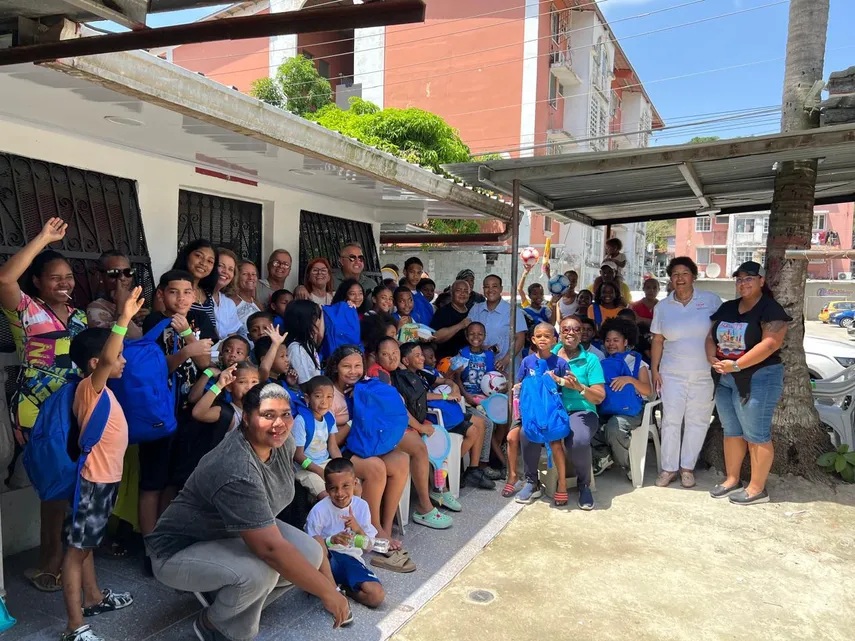
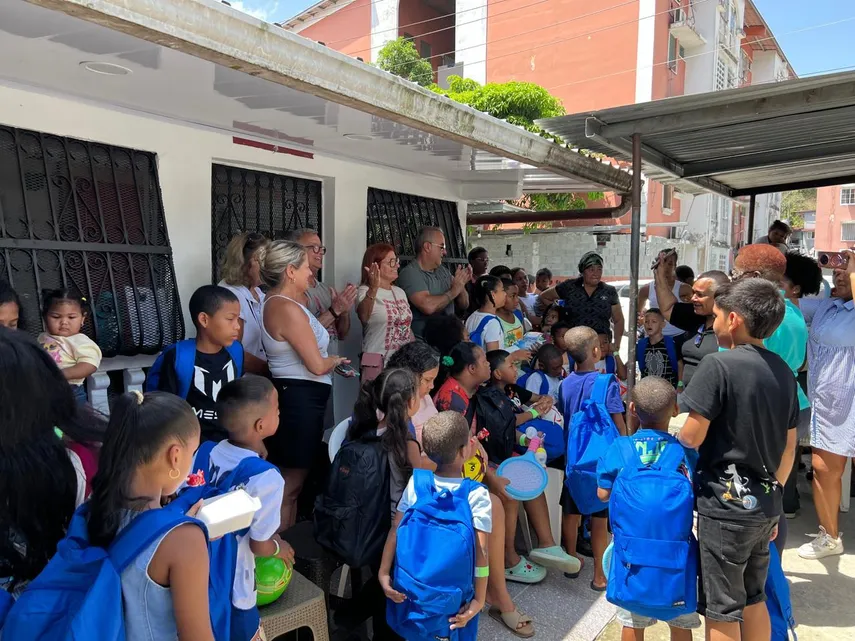
Women head 40% of households in Panama, a reality that reflects significant social and economic challenges, especially for single mothers who support their families without sufficient support networks. Given this situation, community organizations have begun to promote solidarity actions to address this growing need in the country. In the district of Curundú, one of the areas with the greatest social challenges in Panama City, a network of women organized a solidarity bazaar to raise funds for single mothers. The Panamanian Women’s Center (CEMP), bringing together entrepreneurs, volunteers and community residents in a day of social support, promoted the initiative. Thanks to the funds raised, food was delivered to households led by women, many of whom bear the sole responsibility for the economic well-being and care of their children.
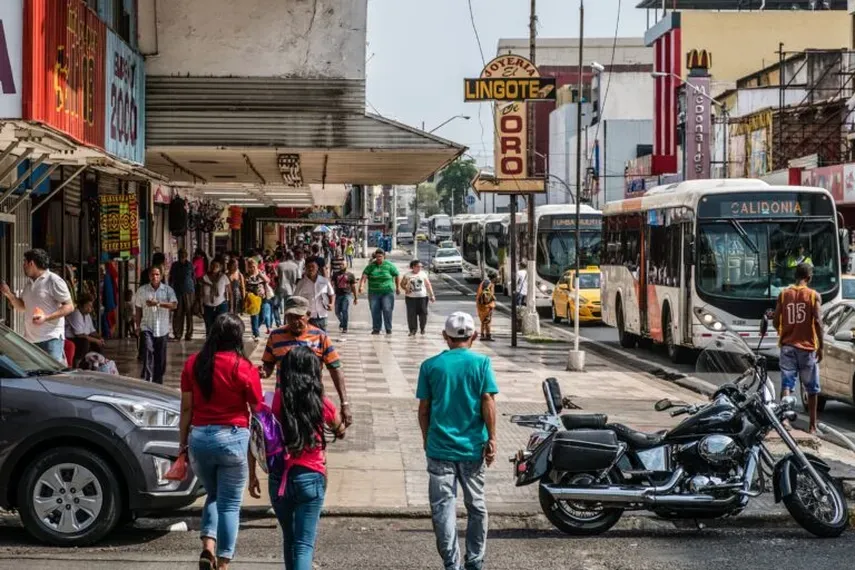
Women’s Support and Empowerment Networks
Beyond providing immediate assistance, the event aimed to strengthen solidarity networks among women and promote female empowerment in vulnerable communities. The director of CEMP, Cecilia Moreno, highlighted that these actions also seek to promote the leadership of women, especially Afro-descendants, from a human rights approach. “We want to strengthen women’s capabilities, their identity and their active participation in their communities, combining entrepreneurship, solidarity and the defense of a life free from violence,” she said.
The Number of Households Headed by Women is Growing in Panama
The situation for single mothers in Panama continues to worsen. Currently:
- Approximately 38% of households are headed by women
- More than 30% of children live only with their mother
- 18.2 % of births are to single mothers, according to the National Institute of Statistics and Census (INEC)
In addition, female economic participation is around 52%, below that of men, which limits income opportunities and increases the economic vulnerability of these households. Organizations such as the Economic Commission for Latin America and the Caribbean warn that this inequality directly affects the quality of life of families headed by women.
Government Response and Remaining Challenges
In this context, the National Government has begun to implement measures to support women heads of household, such as:
- Priority in the delivery of property titles
- Job reintegration programs for people over 40 years old
However, structural challenges persist related to social inclusion, access to employment, and the distribution of domestic and care work.
More than 30 Years Promoting Women’s Rights in Panama
CEMP’s work is part of a trajectory of more than three decades promoting social development in the country. Since its founding in 1990, the organization has promoted:
- Female leadership
- Economic empowerment
- Prevention of gender-based violence
Especially in communities with higher levels of vulnerability.
Panama Facing the Challenge of Social Equity
The growth of female-headed households highlights the need for more inclusive public policies and the strengthening of community networks. While initiatives like the one in Curundú generate an immediate impact, experts agree that the country must move towards structural solutions that guarantee greater opportunities, equity and well-being for thousands of Panamanian families.