With a Focus on Investment and Logistics Panama and Germany Strengthen Trade Alliances
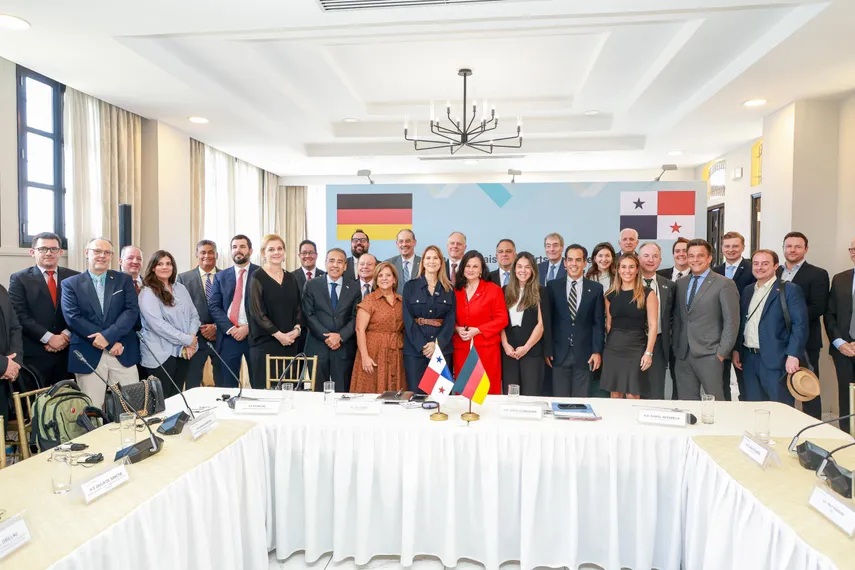
Panama reinforced its position as a regional business hub by showcasing its potential as a strategic platform for German investment in key sectors such as logistics, energy, and industrial technology along with advanced manufacturing, during the Panama-Germany Economic Meeting. Currently, the German business presence in Panama encompasses sectors such as logistics, engineering, technology, and the pharmaceutical industry.
Alliances Between Panama and Germany
The initiative brought together business leaders and authorities from both countries with the aim of promoting new trade alliances and business opportunities, within the framework of the official visit to the country by the President of Germany, Frank-Walter Steinmeier. The meeting was attended by the German Federal Deputy Minister for Economic Affairs and Energy, Gitta Connemann, who was accompanied by a delegation of businesspeople interested in expanding their presence in the region.
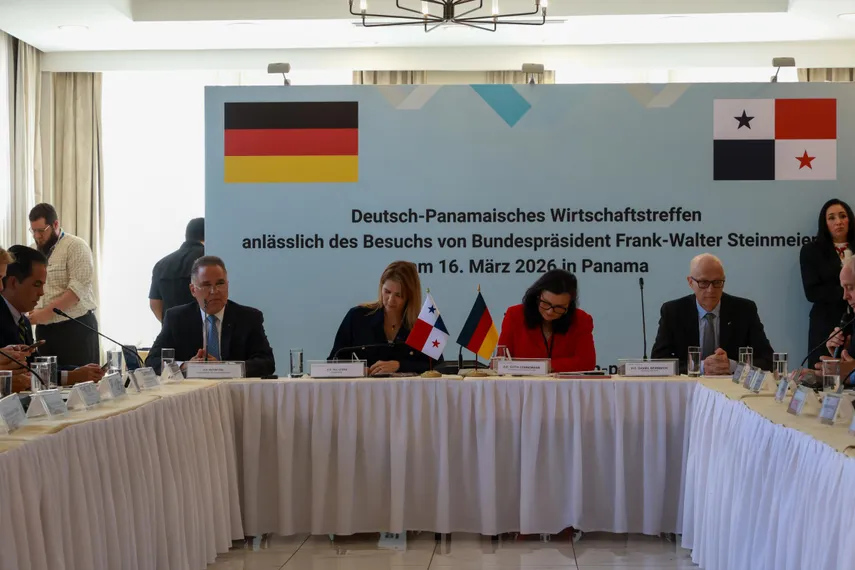
During the event, the Ministry of Commerce and Industries (MICI) was represented by Yill Otero, from the ProPanama office, who presented the opportunities for bilateral investment and trade, highlighting the country’s role as a logistics and production center for the continent. In his speech, Connemann highlighted Panama’s strength in connectivity and logistics networks, as well as the efficiency of the Panama Canal and the advances in infrastructure, elements that —he pointed out— strengthen the country’s attractiveness for foreign investment. Currently, German businesses in Panama have a presence in sectors such as logistics, engineering, technology, and pharmaceuticals. Companies like Siemens, Bosch, BASF, Bayer, DHL, Kuehne + Nagel, Merck, and Adidas use the country as their operations center for the Americas.
SEM Regime
Part of this presence is channeled through the Multinational Company Headquarters (SEM) regime, under which seven German companies currently operate. According to the most recent report from the MICI’s General Directorate of SEM, these companies generate 366 direct jobs and more than $72.69 million in operating expenses. Diplomatic relations between Panama and Germany date back to 1951, and they maintain active economic cooperation. Germany is among Panama’s main trading partners in Europe and maintains an institutional presence through its embassy and the Panamanian-German Chamber of Commerce and Industry.
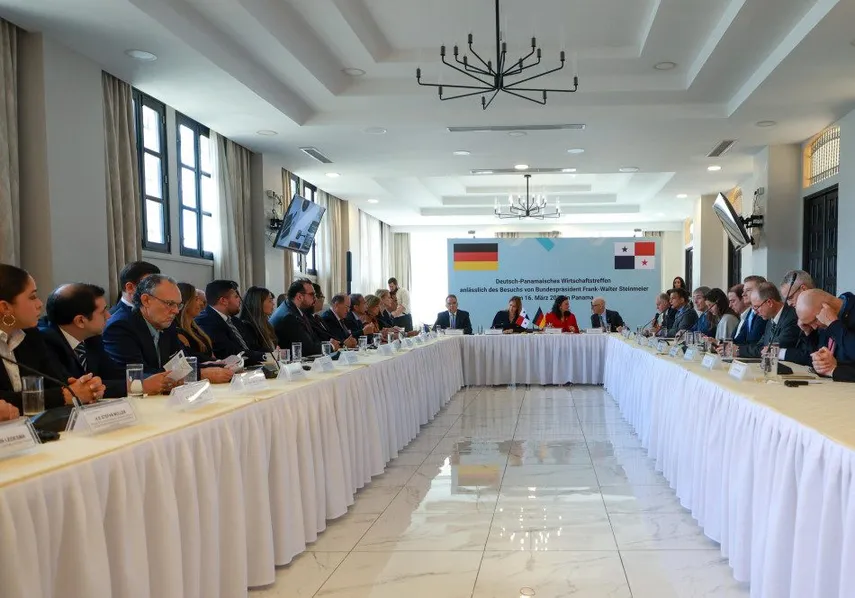
Regarding trade, Panama exports products such as cocoa, coffee, bananas, tropical fruits and fish products to Germany, while it mainly imports pharmaceuticals, industrial machinery, technological equipment and vehicles. Also participating on behalf of MICI were the general director of the SEM regime, Jeannette Díaz Granados; the general director of Free Zones, Rodrigo Jaén; and the national director of Exports, Eric Dormoi. The meeting included institutional presentations, dialogue spaces between businesspeople and authorities, and networking sessions aimed at facilitating new trade alliances between the two countries.