The Bill on Mandatory Ethanol Would Affect Consumers Warns Acodeco
The entity concluded that the proposal clashes with the Constitution and directly affects consumers.
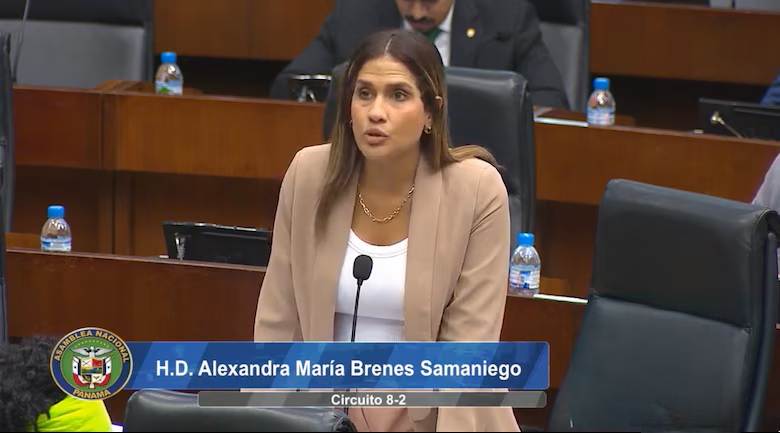
The Consumer Protection and Competition Authority (Acodeco) raised an alert about the bill being promoted by the Executive to establish the mandatory use of ethanol in fuels. The entity concluded that the proposal clashes with the Constitution and directly affects consumers. In an opinion sent to Deputy Alexandra Brenes pictured below, a member of the National Assembly’s Trade Commission, Acodeco warns that bill 443 violates basic rights and elaborated on how the measure would impact any driver in the country.
Fewer Options for the Consumer
The first objection is straightforward. Acodeco argues that the initiative violates Article 49 of the Constitution because it limits freedom of choice. In other words, it says that if the law mandates the use of gasoline blended with ethanol, consumers lose the option of choosing another type of fuel. “The project imposes a single market option,” warns the entity’s administrator, Ramón Abadi Balid, in the note dated February 5. This means that anyone with a vehicle that doesn’t run well on that type of fuel mixture, due to its design or age, would have no alternatives.
Blow to the Competition
The organization also warns of another problem: the impact on competition. According to its analysis, the project contradicts Article 298 of the Constitution, which protects free competition. This is because when the entire market is forced to operate under a single formula, the conditions for competition are reduced. This can affect prices, quality, and availability. Acodeco points out that Panamanian law requires the State to promote open and competitive markets, not to restrict them.
Risks to Users and Equipment
The document introduces another element that directly affects people’s wallets. The project does not address what will happen to vehicles or equipment that cannot run on ethanol. Acodeco warns that the proposal does not include measures to protect those who could be affected by the use of this type of gasoline, whether due to mechanical damage or loss of warranties. In other words, the cost of the transition could fall on consumers.
Lack of Technical Studies
The institution also clarifies that there are not enough technical studies, at least within its scope, on the quality or impact of ethanol blends. That responsibility lies with the National Energy Secretariat. “This Authority does not have specialized technical, scientific, economic or laboratory studies on the quality, chemical composition or mixtures of fuels or oxygenated gasoline with anhydrous bioethanol for automotive use, not by omission, but because both the technical regulation and the control of the quality of fuels distributed at the national level are part of the legal competencies of other authorities,” the entity warns in the letter.
In the First Debate
Acodeco asked the Assembly’s Trade Commission to consult with vehicle manufacturers, distributors, sellers or suppliers, as well as with economic agents or sectors that sell gasoline-powered equipment, to determine if they will maintain warranty conditions when using ethanol. The bill was presented to the Assembly by the Minister of the Presidency, Juan Carlos Orillac, in October 2025. It is being discussed in its first debate in the Trade Commission, chaired by the deputy of the Another Way Movement, Ernesto Cedeño.