What Families Should Consider Before Moving to Panama
Have you ever looked around your Houston neighborhood in August, when the air feels like soup, and wondered if your family might thrive somewhere entirely different? With rising home prices, remote work, and a growing interest in global mobility, more American families are asking that question. Panama often tops the list. Before trading Texas highways for tropical coastlines, families need to understand what daily life, schooling, healthcare, and finances really look like on the ground.
Relocating abroad is not just a change of address. It reshapes routines, expectations, and even family dynamics. Panama offers warm weather, a lower cost of living in some areas, and a friendly visa program for Americans. Yet it also brings new systems, cultural shifts, and practical challenges. Families who move successfully usually treat the decision like a long-term investment, not a vacation extended indefinitely. The details matter more than the dream.
Understanding the Real Cost of Living
Panama is often marketed as affordable, and in many ways it is. Groceries at local markets, domestic help, and public transportation can cost less than in Houston. However, imported goods, private school tuition, and rent in Panama City’s popular neighborhoods can rival U.S. prices. Families who expect everything to be cheap are often surprised.
A three-bedroom apartment in a safe, central area of Panama City can range from $1,500 to $2,500 per month. Private schools with English instruction may charge $6,000 to $15,000 per year per child. Healthcare is less expensive than in the U.S., but private insurance is still a must.
Planning the Physical Move
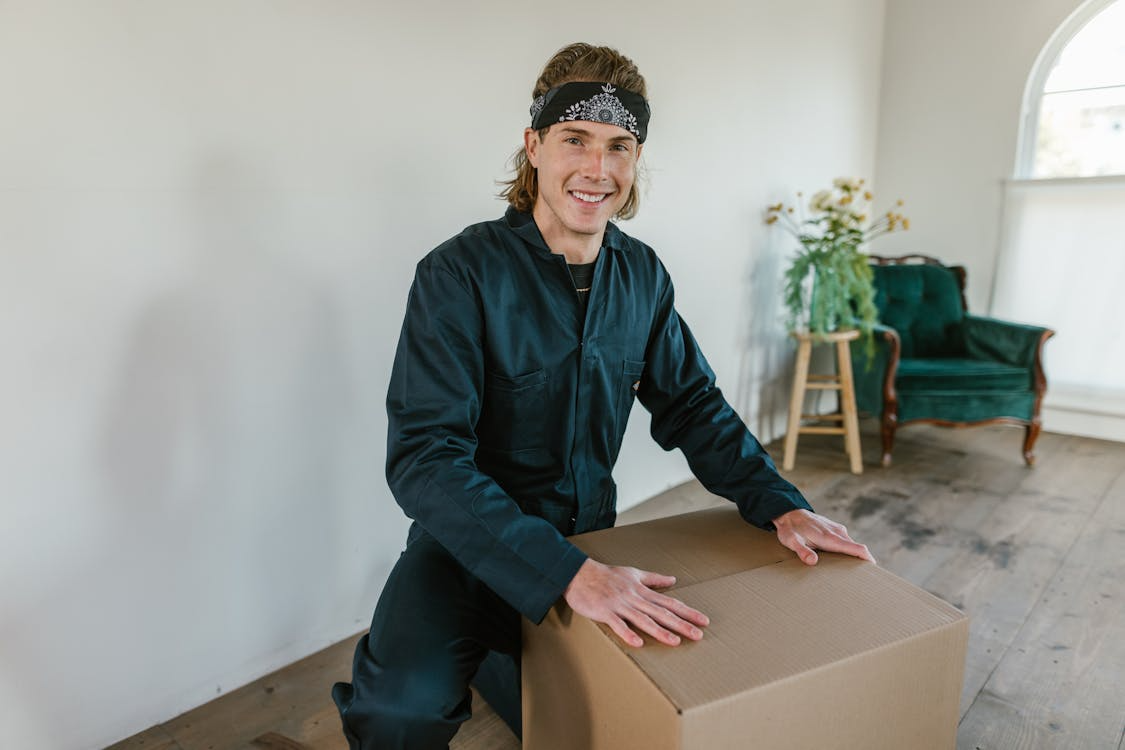
Getting your belongings from Texas to Central America requires more coordination than a local move across Houston. International shipping involves customs paperwork, container space, and timing around port schedules. Many families downsize before relocating, realizing that shipping large furniture can cost more than replacing it locally.
When researching Houston long distance movers, families should confirm experience with international shipments and customs clearance into Panama. A full container can take several weeks to arrive, and delays at ports are not rare. It is wise to carry essential items and important documents in your luggage. Careful planning reduces the shock of living out of suitcases longer than expected.
Choosing the Right Neighborhood
Panama offers a wide range of living environments, from modern high-rises in Panama City to quiet beach towns and mountain communities like Boquete. Each option comes with trade-offs. Urban areas provide better access to hospitals, international schools, and airports, but they also bring traffic and higher rent.
Families with young children often prioritize gated communities with playgrounds and 24-hour security. Those seeking a slower pace might choose towns with established expat communities, where English is more common. Visiting for an extended stay before signing a long lease can reveal whether the lifestyle truly fits your family’s rhythm.
Education Options for Children
Education is often the deciding factor for families. Panama has public schools, private bilingual schools, and international schools that follow U.S. or IB curricula. Public schools are inexpensive but primarily Spanish-speaking, which may be challenging for children who are not fluent.
International schools in Panama City offer smoother academic transitions but come at a higher cost. Class sizes, extracurricular options, and accreditation vary widely. Parents should request curriculum details, graduation rates, and college placement statistics. If your child plans to attend a U.S. university, ensuring credits transfer smoothly is critical.
Healthcare and Insurance Realities
Panama’s private hospitals in Panama City are modern and well-equipped, often staffed by doctors trained in the United States. Routine care, dental work, and specialist visits cost significantly less than in Houston. However, rural areas may have limited facilities.
Most expat families purchase private international health insurance to access top-tier hospitals. Policies vary in coverage, deductibles, and whether treatment in the U.S. is included. Checking emergency response times in your chosen neighborhood is also smart. A beautiful ocean view loses its charm if the nearest emergency room is hours away.
Legal Residency and Visas
One reason Panama attracts American families is its relatively straightforward residency options. The Friendly Nations Visa allows U.S. citizens to apply for residency through investment or employment. Requirements can change, so staying updated through official government sources is important.
The application process involves background checks, financial documentation, and local legal assistance. Hiring a reputable Panamanian immigration attorney simplifies the paperwork and reduces errors. Families should also consider tax obligations, as U.S. citizens must file U.S. tax returns regardless of residence. Consulting a tax professional who understands cross-border rules prevents unpleasant surprises.
Cultural Adjustments and Language
While many Panamanians in urban areas speak English, daily life still revolves around Spanish. Grocery shopping, parent-teacher meetings, and dealing with local service providers become easier with basic language skills. Enrolling in Spanish classes as a family can turn a challenge into a shared goal.
Cultural differences show up in small ways, from flexible attitudes about time to holiday schedules that may close banks and offices unexpectedly. Patience becomes a survival skill. Families who approach these differences with curiosity rather than frustration tend to adapt more smoothly. The experience can broaden children’s perspectives in ways no classroom lesson can.
Safety, Climate, and Daily Lifestyle
Panama is considered relatively safe compared to many countries in the region, but crime varies by neighborhood. Researching specific areas and speaking with current residents provides a clearer picture than general statistics. Choosing secure housing and practicing common-sense precautions go a long way.
The climate is tropical, with a distinct rainy season that can bring heavy afternoon downpours. Air conditioning is common but increases electricity costs. Families should also prepare for the slower pace of bureaucracy and occasional infrastructure hiccups. Power outages and road closures during storms are not unheard of. Accepting these realities makes daily life less frustrating.
The Bigger Picture for Families
In a time when remote work is reshaping where people can live, moving from Houston to Panama reflects a broader shift toward location flexibility. Families are weighing quality of life against traditional career paths. The idea of raising children bilingually in a multicultural setting feels less radical than it did a decade ago.
Still, relocation should be grounded in clear goals. Are you seeking lower expenses, adventure, better weather, or a fresh start? Each motivation shapes the type of community and lifestyle that will suit you. Panama can offer opportunity and balance, but it rewards preparation. Families who treat the move as a strategic decision rather than an escape plan often find that the tropics deliver not just sunshine, but long-term stability.