Panama Strengthens the Protection of Seagrass Beds Against Climate Change
Panama has Law 304 of 2022 which establishes the comprehensive protection of coral reef systems, seagrass ecosystems and associated species, thus strengthening the legal framework for their conservation.
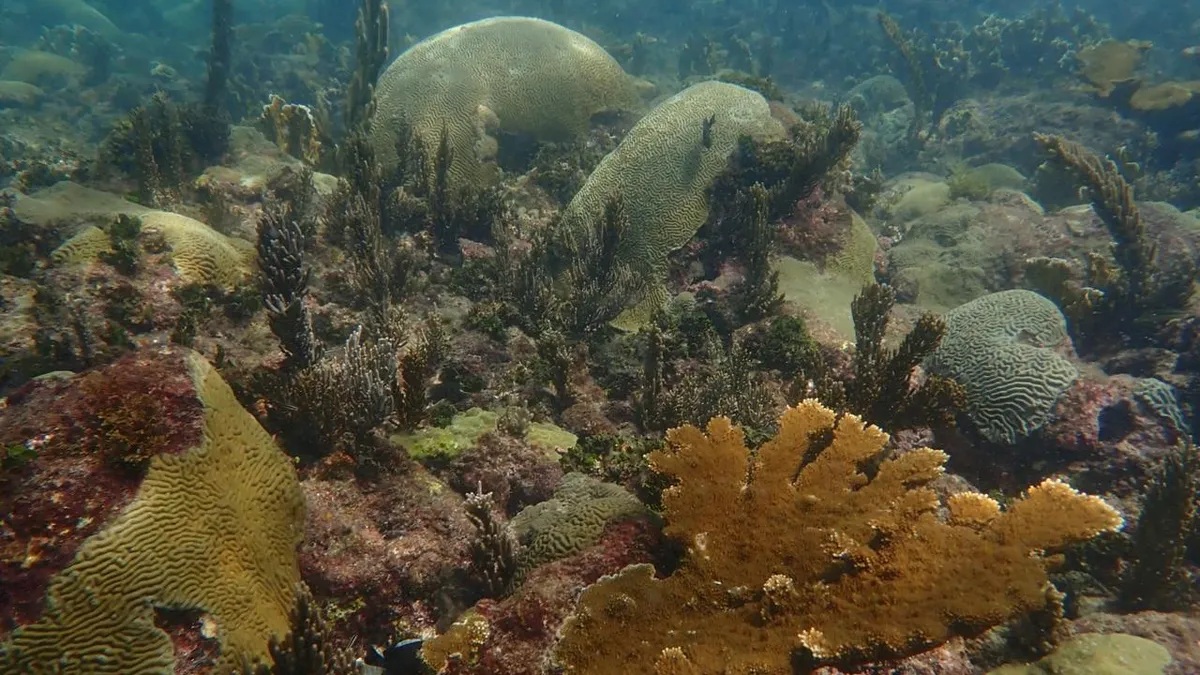
Panama City, Panama: Seagrasses, often mistaken for algae are underwater meadows that support rich marine biodiversity. These coastal ecosystems provide shelter and food for fish, crustaceans, mollusks, bivalves, and many other species, in addition to playing a key role in the connectivity between mangrove forests and coral reefs. Their strategic location between these two fundamental ecosystems makes them an essential link for the health of the coastline and for economic activities such as fishing and tourism. However, they face multiple threats, including unplanned coastal development, physical and chemical pollution, unsustainable tourism, and the effects of climate change.
Seasonal climate oscillations such as El Niño and La Niña can alter water temperature, salinity, turbidity, and acidity, affecting the density, abundance, and diversity of seagrasses. Similarly, sedimentation resulting from mangrove deforestation and coral reef degradation reduces the natural protection these ecosystems need to remain healthy. Given this situation, the Ministry of Environment, through its Directorate of Coasts and Seas and its Directorate of Environmental Information, is developing a project to map corals and seagrass beds.
The initiative aims to identify the areas where these ecosystems are located, determine their diversity, and assess their conservation status in order to guide future research and protection efforts. Digna Barsallo, National Director of Coasts and Seas, emphasized that generating scientific information is fundamental for making timely decisions that guarantee the protection of these highly sensitive ecosystems. “Generating scientific information makes it possible to make timely decisions for the protection and conservation of seagrass beds and associated species in a highly sensitive ecosystem that requires holistic and coordinated management by all stakeholders,” she stated.
Barsallo also emphasized that many people are unaware of the close relationship between seagrass beds and coastal communities. Located between mangroves and reefs, they contribute to the connectivity of ecosystems upon which activities such as fishing and tourism depend. Their degradation increases the vulnerability of numerous species and reduces the resources available to communities. At the national level, Panama has Law 304 of 2022, which establishes the comprehensive protection of coral reef systems, seagrass ecosystems and associated species, thus strengthening the legal framework for their conservation.
At the international level, the country participates in the International Coral Reef Initiative (ICRI), an alliance that promotes research and sustainable management of coral reefs, as well as compliance with global environmental goals. Finally, Barsallo reiterated that the conservation of seagrass beds is not only an institutional responsibility, but a shared task. Actions such as preventing pollution, promoting responsible tourism, respecting coastal ecosystems, and fostering environmental education can make a difference in protecting these valuable marine ecosystems.