A 20% Annual Decline in the Number of Fish is Caused by Ocean Warming
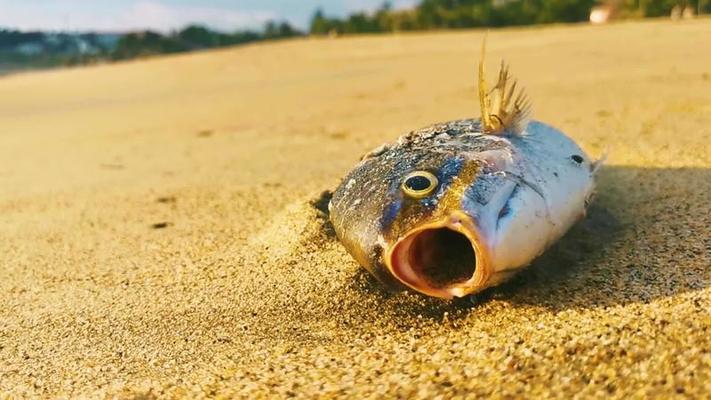
The chronic and prolonged warming of the seas is behind the decline of almost 20 percent annually in fish biomass (the total weight of fish caught alive in trawling nets), according to researchers from the Spanish National Museum of Natural Sciences and the National University of Colombia. The research, conducted in the Mediterranean, the North Atlantic and the Northeast Pacific, is based on the analysis of 702,037 estimates of biomass change from 33,990 fish populations recorded between 1993 and 2021 in the Northern Hemisphere.
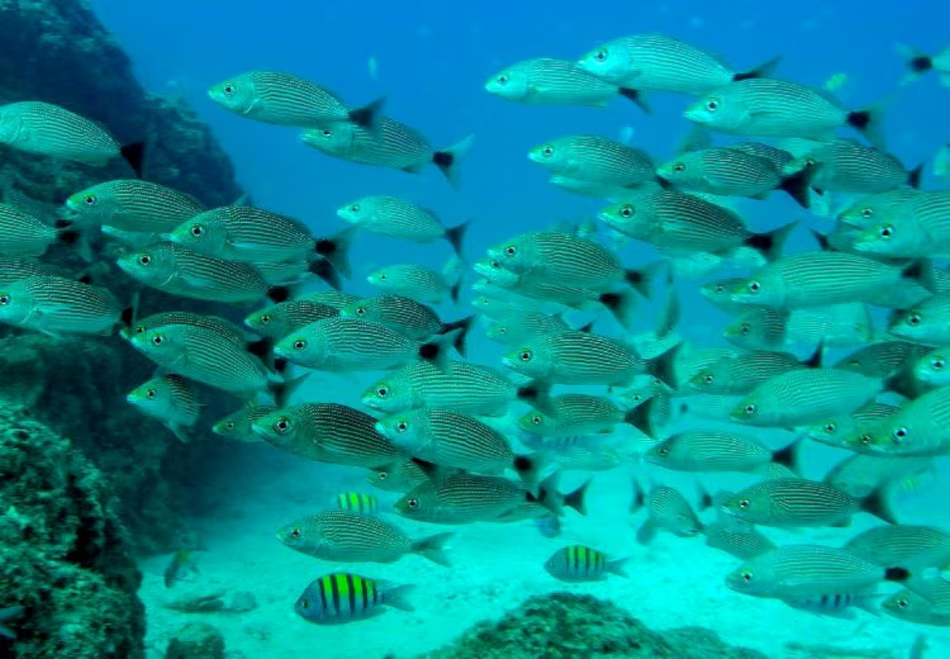
The data collected, according to the researchers, should be crucial for improving fisheries management and the conservation of marine ecosystems, on which much of the world’s food security depends; today they publish the results of their work in the journal Nature Ecology and Evolution.
Shahar Chaikin, a researcher at the National Museum of Natural Sciences, explained to reporters that they calculated this loss of ‘biomass’ by analyzing the total weight of live fish caught in bottom trawls during the period covered by the scientific studies, which includes both commercial and non-commercial species.
The increasingly frequent marine heat waves do not affect all fish equally, as there are populations that ‘lose’ and others that ‘gain’, and the study shows that it all depends on the thermal comfort zone, the ideal temperature range in which each species grows and develops best.
Nobody Wins in the Long Run
Shahar Chaikin has stated that both globally and at the population level (in specific locations) the general trend is a decrease in that biomass as the oceans warm, and has stated that the end result of the work is that “nobody wins in the long term”. When a heat wave pushes fish in already warm waters beyond their thermal comfort zone, their biomass can plummet by up to 43.4 percent, but populations in cooler areas often temporarily thrive with rising temperatures, increasing their biomass by up to 176 percent. “While this sudden increase in biomass in cold waters may seem like good news for fisheries, these are temporary increases.
If managers raise fishing quotas based on a biomass increase caused by a heatwave, they risk causing stock collapses when temperatures return to normal or when the long-term warming effect takes hold, because these are one-off increases,” Chaikin warned. “Unlike short-term weather fluctuations, which can vary drastically, chronic warming exerts a constant negative pressure on fish populations in the Mediterranean Sea, the North Atlantic Ocean, and the northeastern Pacific Ocean,” noted Juan David González Trujillo, a researcher at the National University of Colombia.
International Coordination to Manage Resources that Know No Borders
The traditional approach to fisheries management no longer keeps pace with climate change, and to ensure the future of global fishery resources, the authors propose a three-tiered framework that combines rapid response, long-term planning, and international cooperation. They have observed that species, in an attempt to remain within their thermal comfort zone, inevitably cross international borders, so conservation requires international coordination and joint resource management agreements.
MNCN-CSIC researcher Miguel Bastos Araújo stressed the importance of carefully balancing localized increases with long-term declines to avoid overexploitation, and asserted that the only viable strategy in the face of ocean warming is to prioritize long-term resilience. “Management measures must plan for the expected decline in biomass in an increasingly warmer ocean.” The conclusion is that fishery resources cannot be regulated solely by considering the occasional rise or fall in biomass due to a marine heatwave, Chaikin told reporters,
He cited the example of Mediterranean sea bass: when faced with a marine heatwave, it is essential to reduce fishing pressure, because it faces much greater losses than populations on colder shores in Galicia or England. But although populations in those ‘cold edges’ might experience a boom during a heat wave, those gains are “transitory” and disappear with long-term ocean warming, so they do not represent an opportunity for “sustainable capture”.