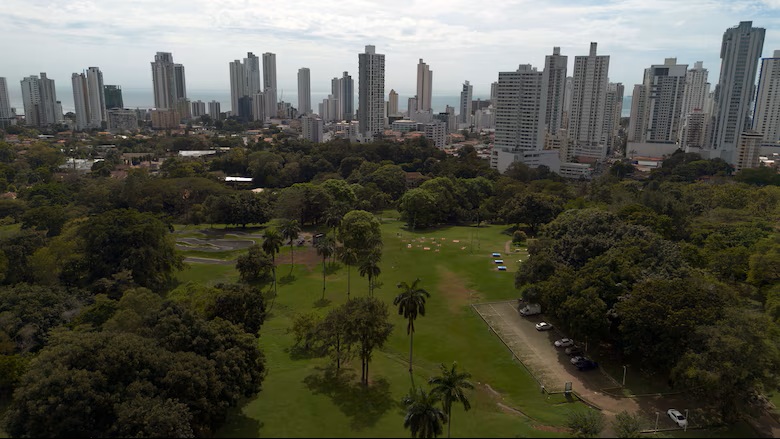
Panama accelerates the internet revolution with fiber optics, 5G, and Starlink
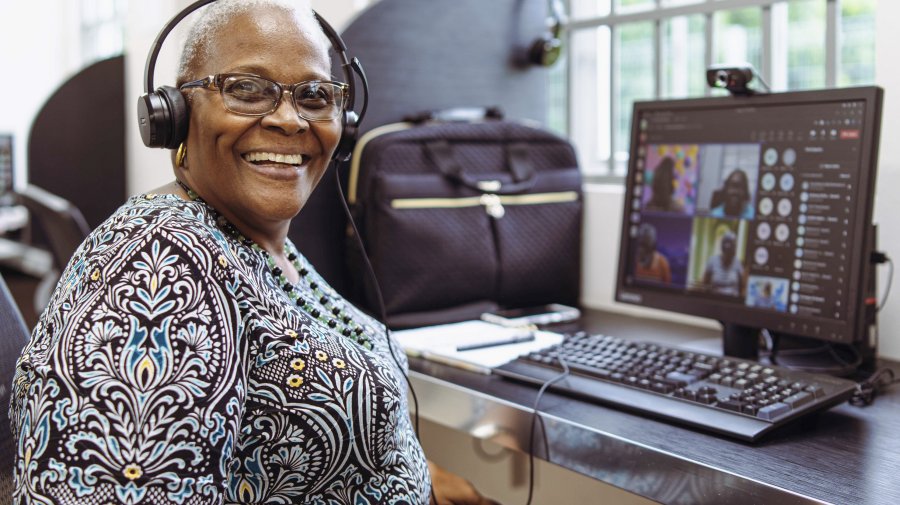
Guest Contribution – In Panama, the internet has become an integral part of life, influencing education, business, and healthcare. In recent years, the country has demonstrated record growth rates in penetration, implementing innovative technologies and reducing the digital divide. Thanks to these efforts, Panama is confidently becoming a regional hub for digital communications.
Panama strengthens its position as an internet leader in Central America
Almost 80% of Panama’s residents use the internet, placing the country among the region’s leaders. Over the past 10 years, penetration has grown from 32% to almost 80%, made possible by a favorable geographical location and investments in submarine cables. However, about 950,000 people still remain outside the digital space, raising the issue of the need for further efforts to overcome the gap.
Technologies accelerate connectivity — what cities and villages choose
Different internet access technologies are used in Panama, each suitable for specific conditions.
• Fiber optics provide maximum speeds but are mainly available in cities.
• Cable and DSL networks offer medium speeds and cover older areas.
• 4G-based mobile internet is the main way to connect for most residents, though devices like Wilson boosters can help strengthen signals in areas where coverage is weak.
• Satellite communication remains the only option for remote and hard-to-reach locations.
Cities connect to gigabits — how metropolises go online
In major cities such as Panama City, Colón, and David, fiber-to-the-home (FTTH) networks are actively being built. Providers offer urban residents plans from 20 to 300 Mbps at prices from $25 to $100, making fast internet accessible to many families. Competition among major players ensures high speeds and lowers the cost of connection.
Villages get a chance at online education — how the digital divide is being overcome
In rural areas and remote territories, residents face a lack of infrastructure and weak LTE coverage. For them, DSL, fixed wireless internet, and satellite solutions serve as a lifeline, allowing them to get online even where there are no cables. For example, with the help of Starlink, a school in a hard-to-reach province received stable access to digital educational resources for the first time.
Satellite internet opens up new horizons for remote regions
Traditional satellite services used to be expensive and slow, which limited their use. With the arrival of Starlink, the situation changed dramatically: new plans from $35 to $52 per month, high speed, and ease of installation have made the internet accessible even for the most remote communities. The government and private companies are actively using satellite to connect schools, hospitals, and small settlements, opening up new opportunities for study, work, and medical care.
Speed and stability as the foundation of Panama’s internet market
In most areas of the country, the internet is characterized by high speed and stability. This gives Panama’s residents the opportunity to work remotely, including for international companies, and to receive quality education and medical consultations.
The entertainment sector is also not lacking — any content is available to them, from streams to online games. Even traditionally demanding gambling does not lag. We tested several types of internet activity — a Zoom call, researching information on a top site about Crazy Time apps, a couple of rounds in a chosen app, watching videos on YouTube, and streaming on Twitch. Despite a significant difference in load levels, the connection was always excellent. This also shows that providers in Panama deliver services at a high level.
Providers compete for the market — how structure and competition are changing
Two major players dominate the internet services market: +Móvil (Cable & Wireless) and Tigo, who, after mergers, control most connections. Local providers and niche services serve individual segments, providing alternatives in specific areas. The emergence of new companies, such as Telecable, may shift the balance of power and offer consumers more choice.
Prices and speed — why the internet is becoming more accessible, but the gap remains
In cities, the internet is characterized by high speed and affordable rates: basic packages cost about $25, premium ones — up to $100 for 300 Mbps. Mobile packages start at $15 per month, and satellite solutions for villages — from $35. In rural areas, the internet is often more expensive and slower, but the emergence of Starlink and government subsidies are gradually narrowing this gap.
The government supports accessibility — how national programs are a game changer
Panama is implementing large-scale programs to expand internet access:
• The National Broadband Access Plan (PNBA) stimulates network construction and lowers prices.
• The Internet Para Todos initiative provides free Wi-Fi in public places, schools, and libraries.
• The Digital Agenda and Universal Service Fund are aimed at developing infrastructure, teaching digital skills, and connecting remote areas.
Thanks to these measures, thousands of schools, hospitals, and rural communities have received a chance at a fully-fledged digital future.
The future is arriving faster — what trends and challenges await Panama
In the coming years, the country plans to deploy 5G networks, expand fiber optic lines, and introduce new digital services. Among the risks are possible market monopolization, problems with accessibility for the poorest segments, and the resilience of networks to natural disasters. Experts predict that the internet will become the foundation for development of the economy, education, and healthcare, but to achieve this, the country needs to address issues of equal access and technological resilience.
________________________________________________________________________________________________________________
Advertisements placed in our Guest Contribution sections are in no way intended as endorsements of the advertised products, services, or related advertiser claims by NewsroomPanama.com, the website’s owners, affiliated societies, or the editors. Read more here.