Retrofitting Old Transit Facilities to the Modern Commuter
Key takeaways
- You can extend the life of aging transit facilities by a lot more with targeted improvements, as opposed to a complete rebuild.
- Your riders are making judgments about the safety, clarity, comfort, and information of your system long before they will notice structural work.
- Careful phasing and honest communication ensures that buses and rail service continue as you tear things apart behind the scenes.
- Information on energy, ridership and maintenance should be driving every big decision, not just politics or short term pressure.
Understanding the Modern Commuter’s Needs
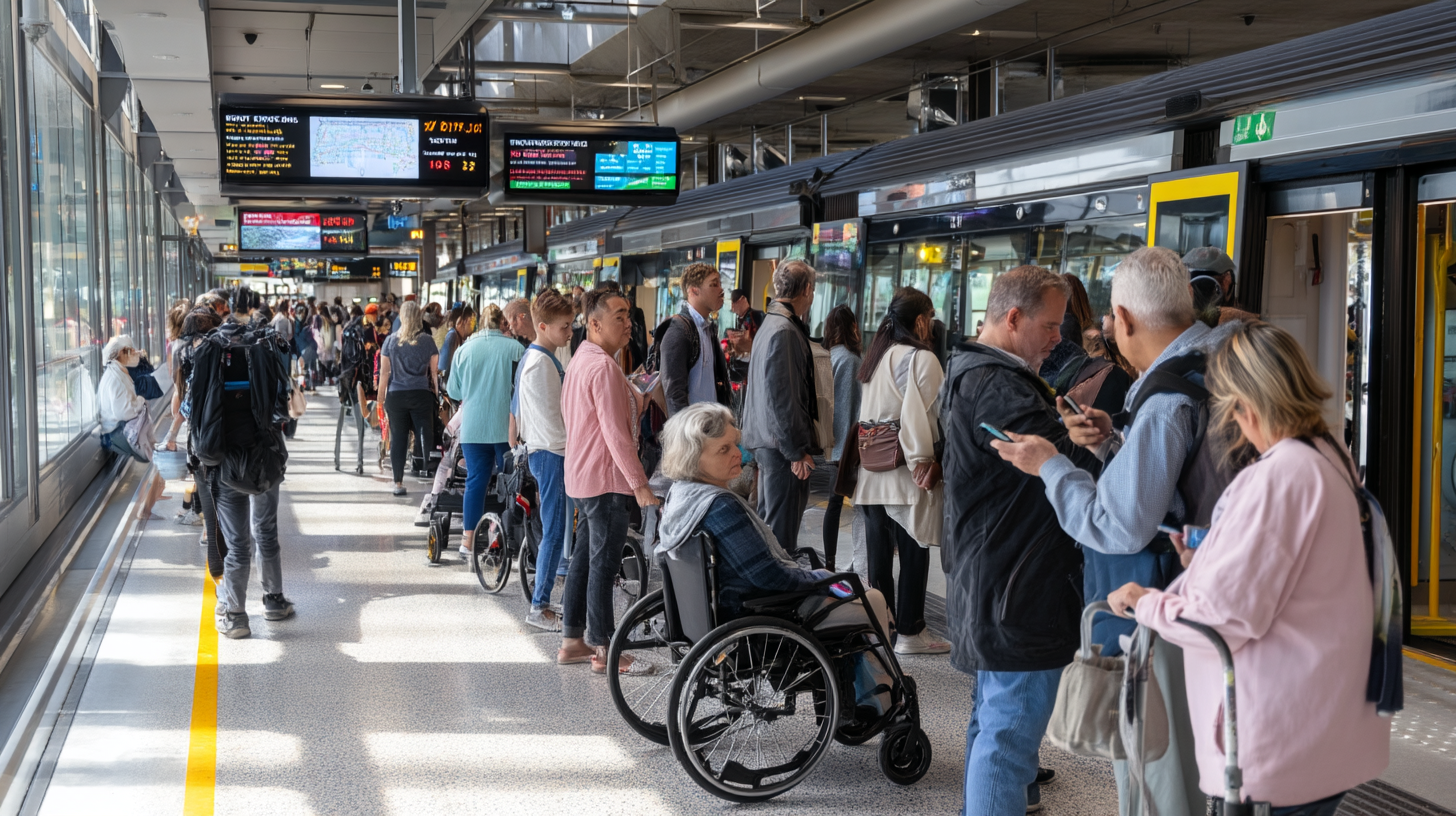
If you ride your own at rush hour you see it fast. People want public transit that’s easy to read, easy to predict and, of course, safe.
Over the last decade, the expectation of riders changed. In 2022, a number of large transit agencies reported that real time information ranked near the top of customer surveys, right next to safety and cleanliness. Riders want to know what time they will get there on their phones, they want good audio and signs that actually make sense.
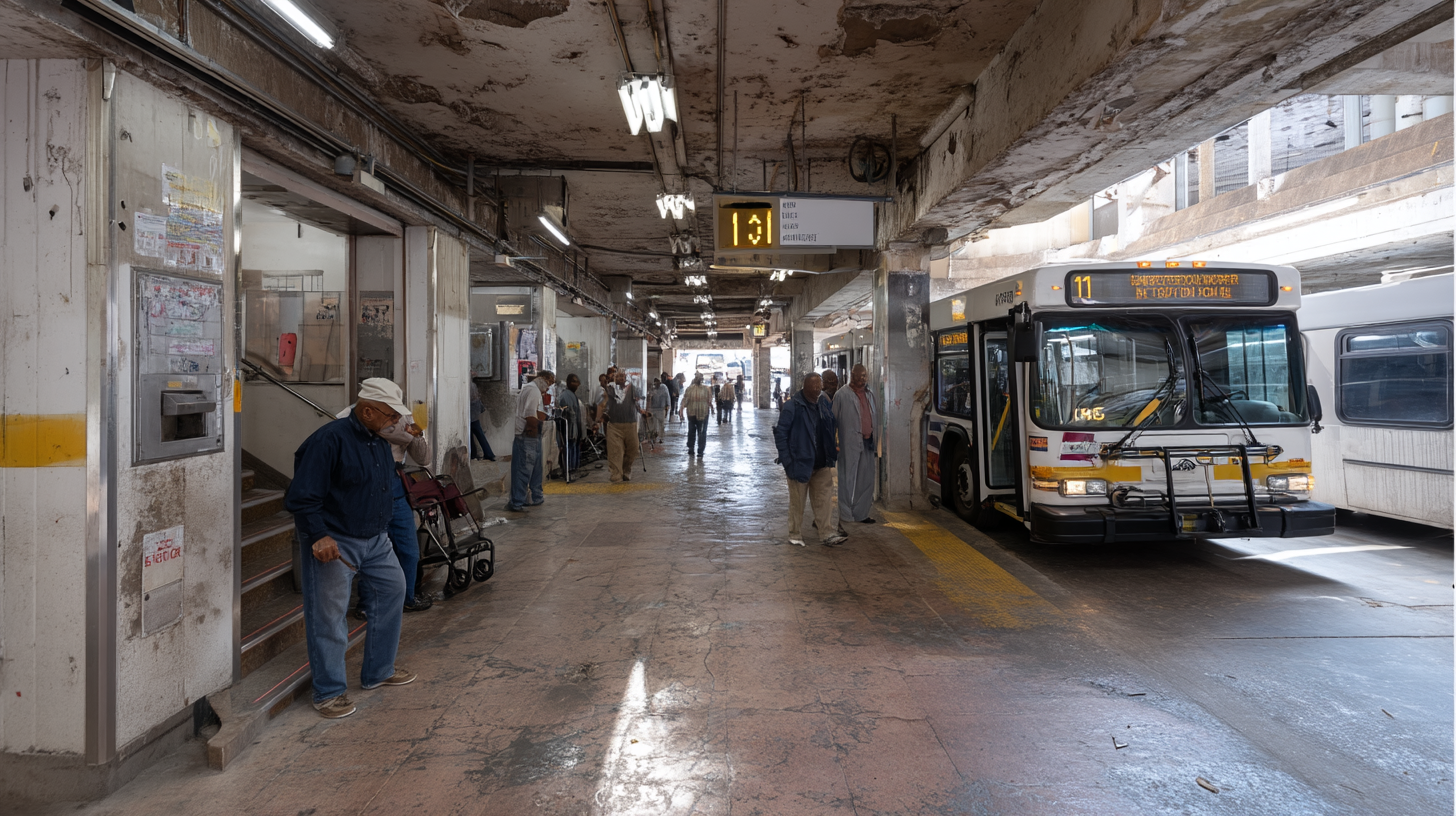
Once I was walking through a bus and rail 1970s general manager. He said, “If I were a first time passenger I’d turn around.” Dark passageways, no views, confusing staircases. That is what you are fighting.
Ask yourself if a friend used your system tomorrow and then they texted you compliments or complaints afterward, would it happen?
Evaluating Existing Transit Facilities
Before you modernize anything, you need a blunt picture of your maintenance facilities and stations. I like to begin with a basic asset condition index. One particular agency I worked with was scoring roofs, slabs, MEP systems, and life safety from 1 to 5. Anything less than 3 triggered near term capital planning.
The Federal Transit Administration’s Transit Asset Management (TAM) program illustrates how agencies can codify this type of scoring into an asset management plan that is based on data. By matching your condition index to the FTA TAM framework, you can more effectively prioritize state of good repair investments and compete more for federal funding.
Walk the site with operations and not just architects. Watch for the circulation of buses (pull out). Where do buses stack up? Where do pedestrians cross the unsafe paths? In one yard where we reviewed the operation, we have a fueling bottleneck that costs almost an hour of service every morning.
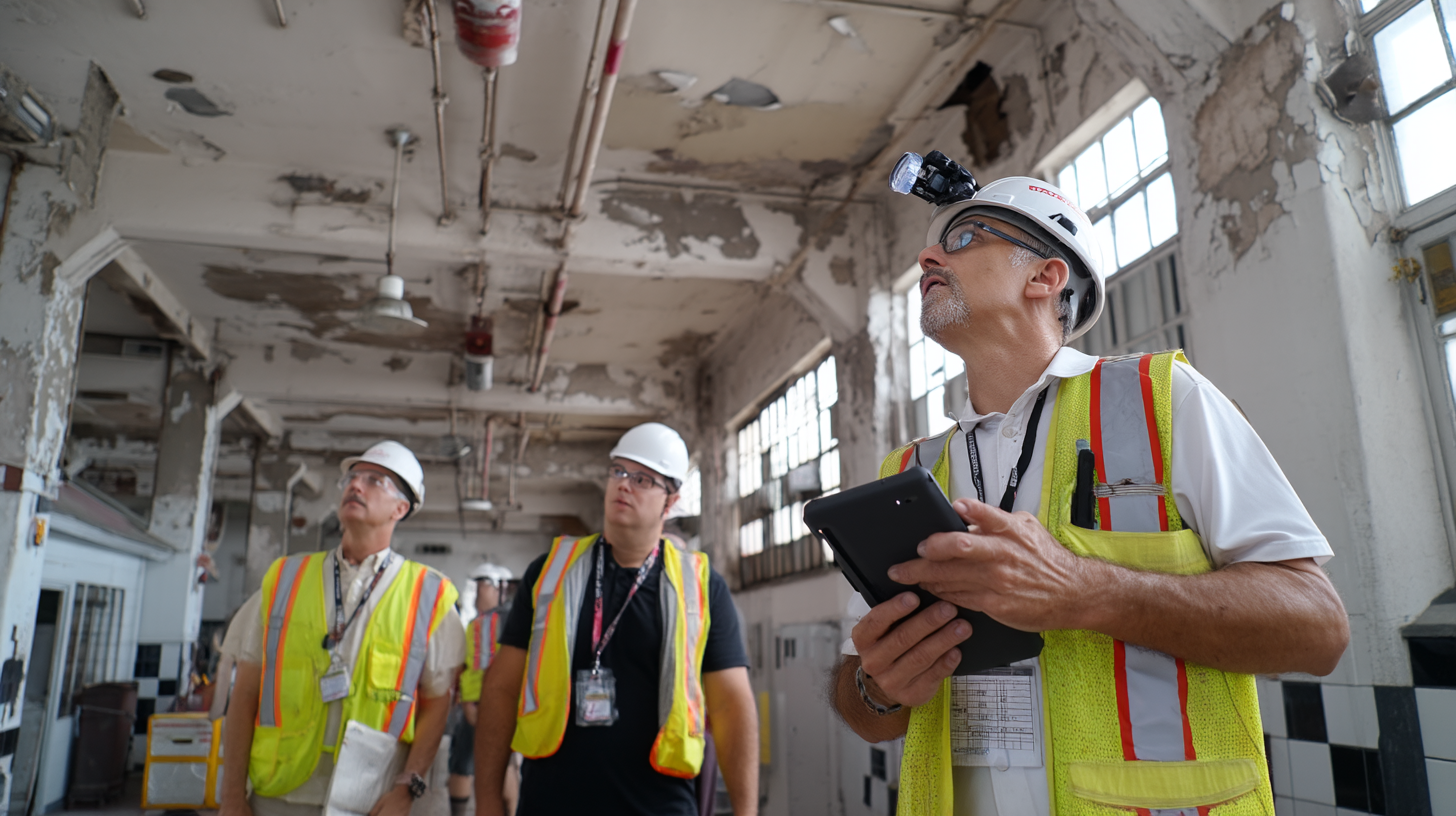
Then look at codes and accessibility. I witnessed a facility that had an archaic fire system that almost caused them to shut down for a portion of the time. The cost of emergency work was three times the cost of planned upgrades. Deferred work always comes back home, usually at the worst time.
We all know that certain places are where the bottlenecks are slowing you down, every single day, what are those places?
Strategic Planning of Retrofit Programs
Once you see the problems, fight the temptation to fix everything at once. Good modernization work is more like a 10 to 20 year roadmap rather than a single project.
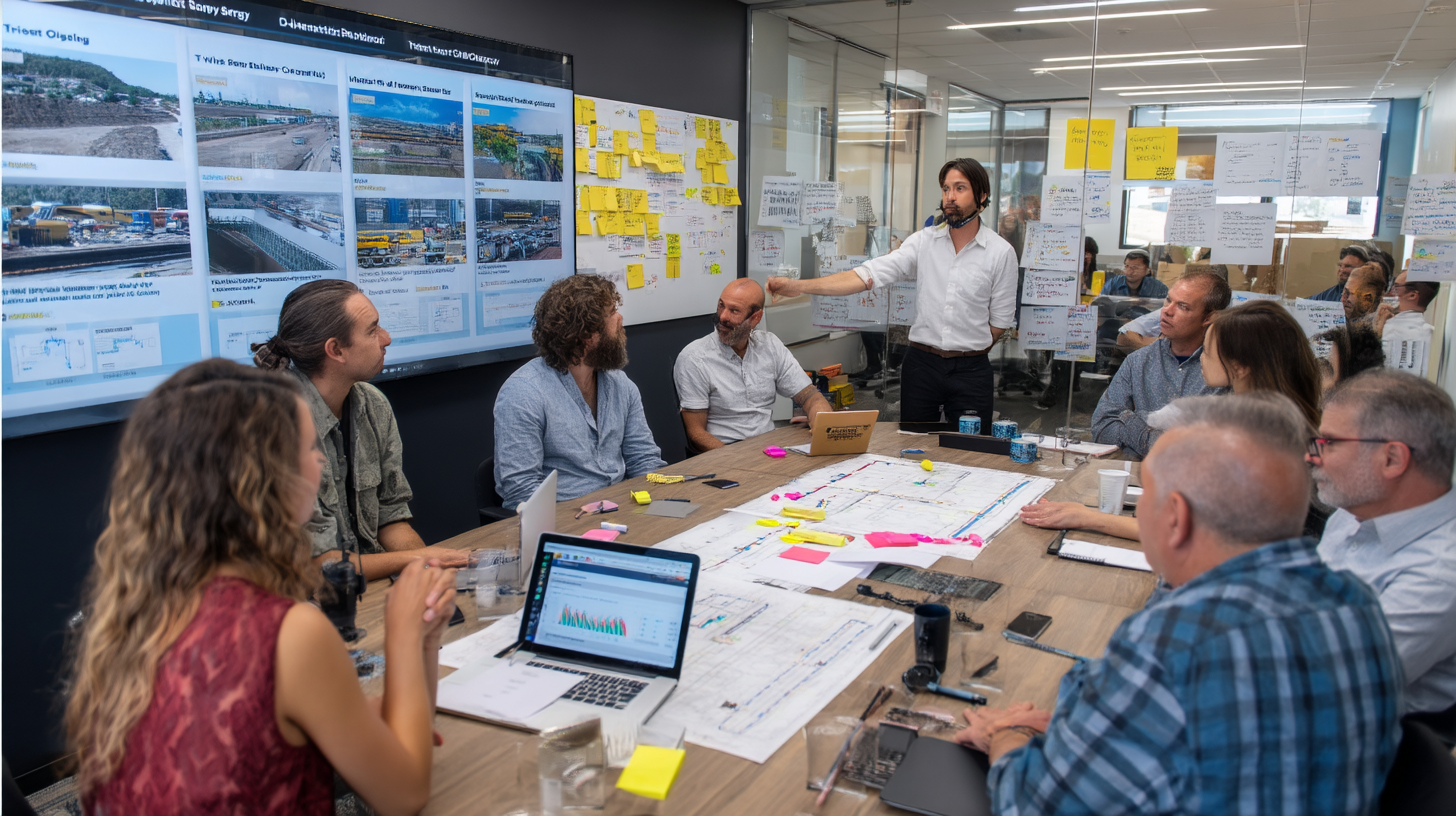
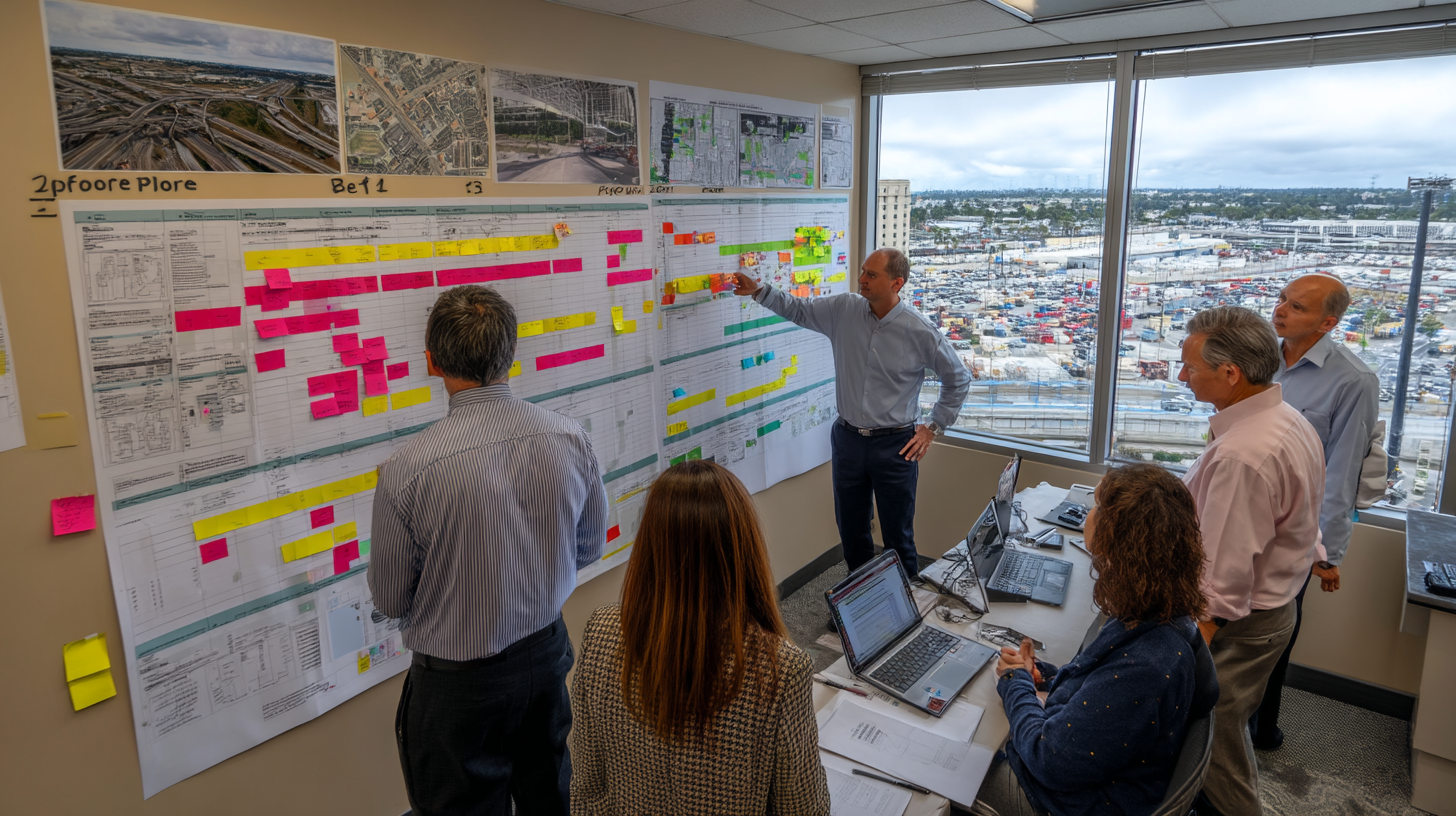
Start by ranking facilities according to risk, ridership impact, and age. A busy commuter rail yard or light rail operations center will generally have its day over a small outlying depot. One transportation authority I advised included projects in phase 2 packages to allow them to combine design, permitting, and purchasing. That reduced soft costs and shortened schedules.
Funding is always messy. You could combine local bonds, state programs and federal transit administration grants. In 2021 and 2022 several agencies took advantage of energy focused grants to update HVAC and lighting alongside structural repairs.
Then comes phasing. How much disruption can your riders take before your riders give up your system for cars and more congestion?
Designing for the Modern Commuter Experience
When you walk a street station or terminal, try to look at it through the eyes of a passenger. Where do they hesitate? Where do they feel exposed?
Start with station access. Clear entries, logical paths and visible vertical circulation. I worked on a little depressing rapid transit stop where we just opened up a stair way, threw up glass and enhanced signage. Complaints decreased dramatically, even before the remaining parts of the work were completed.
Safety and visibility is as important. Improved lighting, cameras and open sight lines decrease the number of incidents. One agency found there were fewer security calls after lighting was improved on platforms and at bus bays. People feel watched in a good way.
The American Public Transportation Association’s Transit Passenger Facilities Guidelines emphasize the importance of lighting, sightlines and legible wayfinding in determining the perception of safety and comfort. Using the following APTA guidelines as a reference can help you benchmark your stations against industry best practices and justify targeted upgrades to boards and funders;
Then look at amenity choices. Modest seating, protection from weather and dependable digital information display go a long way. Ask yourself: if you were to walk your facility as a first time rider, would you have any confidence that you would be able to find your train in less than one minute?
Bus and Rail Back of House Modernization
Riders rarely see the back of the house but their whole experience is in it. If your maintenance facilities are in a struggle, your service is in a struggle.
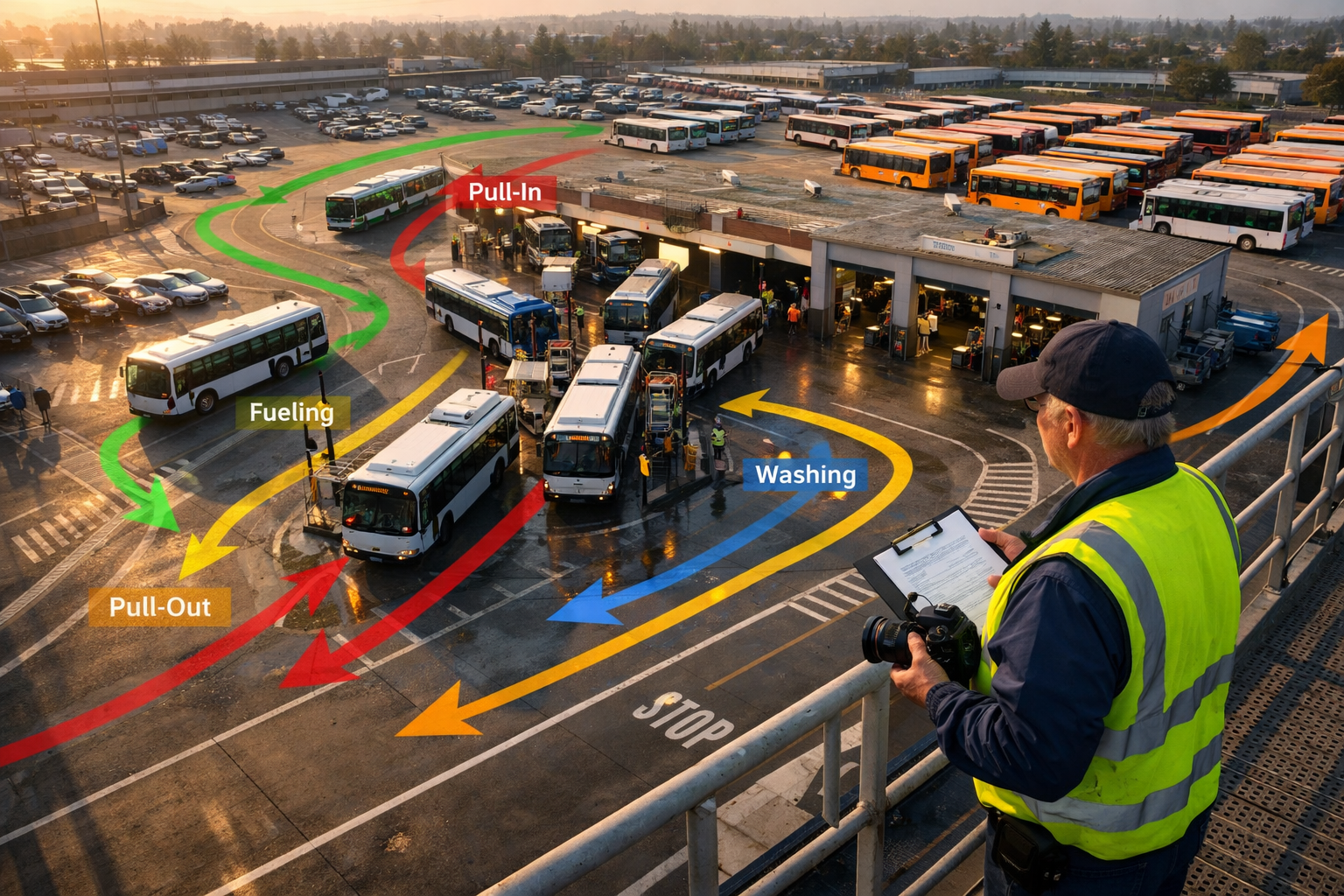
In older shops, the bay spacing usually is not adequate for new cars or buses. I have been in a rail shop where technicians were squeezing around in vehicles with inches to spare. We altered pits configurations, added fall protection and welding ventilation. Productivity improved and overtime was reduced.
Yard circulation is another silent killer. One bus garage I reviewed had a fueling layout which made buses have to pass each other all the time. After a redesign, deadhead time decreased and minor collisions in the yard were reduced. Little changes to geometry, big impact.
Do not forget staff spaces. Decent locker rooms, training rooms and break areas help you to recruit and retain operators and mechanics. Does your existing facility welcome your workforce in, or repel them?
Combining Modern Technology and Data
Technology should be to operations what operations are to technology, not a science project. Start with basics which help both staff and riders.
Digital signage linked to your CAD and AVL systems provide exact times of departure. Clear PA systems help eliminate confusion during disruption. One commuter rail operator I worked with simply reduced platform crowding by improving on-board announcements and platform displays.
On the facility side, building management systems can monitor the heating, ventilation and air conditioning (HVAC), alarm systems and lighting. In 2023, a rather large agency claimed double digit energy savings after an upgrade of controls in multiple sites. Maintenance teams were also able to catch failing equipment earlier.
For fleets, think ahead. If your buses or rail line is moving towards electric or alternative fuel, you need power capacity, charging layouts and ventilation. Ask yourself: if your fleet was to go 50 percent electric by 2024, would your existing infrastructure be able to handle it?
Energy Efficiency, Sustainability and Resilience
Energy work is not a sustainability talking point. It is a budget strategy.
Start with the envelope and mechanical systems. Better insulation in roofs, tighter doors and efficient boilers or heat pumps are load-sparing. Then look at targeted commercial lighting retrofits in shops, offices, and yards. In the industrial style facilities I have seen 30 to 50 percent in lighting energy savings with LEDs and controls. Payback tends to fall into the three, six year range.
Those same upgrades make for safer and more visible night operations. Exterior poles as well as platform fixtures and interior bays all benefit. When you pair commercial lighting retrofits with smart controls, you also reduce maintenance calls.
Do not ignore water and storm water. Bus wash recycling, low flow fixtures, and green infrastructure help lower costs of operations and risk. Resilience matters too. There was one major storm during which the only facility that remained operational was the one with elevated equipment and backup power. That became a low-key milestone for the agency.
Working Within Constraints and Structural Barriers
Older buildings are seldom in your ideal layout. You work with what you have.
Column spacing, low clear heights and limited floor loading can be a limiting factor in new equipment. I have seen agencies carve out mezzanines or reassign storage rooms that are not currently in use to produce training or office space. It is not perfect but it moves the needle.
Legacy hazards are complicated matters. Asbestos, lead paint and old underground tanks require careful planning. You have the chance that you are only going to get short periods of shutdown available to you, so abatement and construction require tight coordination.
At some point, you are faced with the difficult retrofit vs. replacement question. Lifecycle cost analysis helps, but so do politics and community ties. Are you spending more every year trying to keep an old facility alive than would be spent on a planned new build? There is no right answer, just tradeoffs.
Construction Delivery and Procurement and Team Coordination
Sometimes how you buy the work can be as significant as what you build.
For complex, occupied transit projects many transit agencies tend to lean toward CM at risk or design build rather than pure design bid build. In my experience, involving the contractor early helps with phasing, safety planning and cost control. One project’s phase 2 package was over months early because the contractor had the sequence right from the first day.
Contractor selection should consider experience with rail, bus and security sensitive work. Preconstruction meetings with the operations, safety and security teams are not optional. They are where you catch conflicts before they get to the field.
Communication with riders and staff is a workstream by itself. Clear signage, honesty of timelines, feedback channel, keeping people patient as you demolish their street station or terminal. How are you going to keep them informed each week?
A Measuring Success After Completion of Retrofit
Once the photos of the ribbon cutting fade, the real test begins.
Define metrics early. Rider satisfaction, rider perception of safety, on time performance, and ridership trends are all important. One agency monitored the number of complaints before and after an upgrade of station access and observed a significant decline in stories of confusion.
On the operations side, keep an eye on maintenance hours, overtime and unplanned outages. Energy and Water Bills Speak for Themselves In 2021, a regional rail network accounted for large utility savings after improvements in shops and yards were targeted.
Do a post occupancy review with the operators, mechanics, and passengers. Struts and Budgeting Walk the site, listen, take photos of lessons for the next phase 2 or future projects. What will you be measuring in a year’s time that will prove your retrofit actually made daily life better?
FAQs
How do I make the retrofitting or replacement decision for an old transit facility?
Compare lifecycle, operational risk and service impact. Sometimes a concentrated retrofit is the way to push out life; sometimes replacement would be the only realistic way to go.
What components of a transit facility tend to pay for themselves in the shortest time when upgraded?
Lighting, controls and HVAC are often the quickest payback, followed by circulation fixes that eliminate delays, collisions and overtime in busy yards.
How do I modernise a busy bus garage without closing it down?
Use tight phasing, use temporary structures, use night work, use constant coordination with dispatch. Protect safety first, then capacity, then convenience.
What are the first steps to preparing an older facility for electric buses.
Assess power capacity, plan charging layouts, examine ventilation and plan ahead with utilities. Do not forget staff training and emergency procedures.
So how do upgraded facilities influence rider satisfaction and ridership growth?
Better safety, clarity, and amenities typically increase satisfaction ratings and help grow ridership, especially when combined with improved service and new cars.