In 26 Years Under Panamanian Ownership the Canal has Contributed $31.231 Billion to the Treasury
And no…..We are not giving it back to the United States. These multimillion-dollar contributions, which include the record figure of $2.965 billion corresponding to fiscal year 2025, are one of the “relevant milestones”.
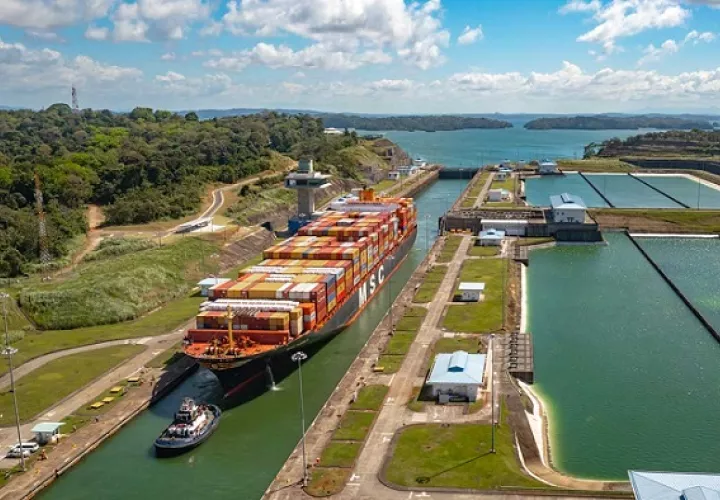
Panama: The Panama Canal has contributed a total of $31.231 billion to the treasury since its administration was transferred on this day 26 years ago by the United States to the Panamanian State. These multimillion-dollar contributions, which include the record figure of $2.965 billion corresponding to fiscal year 2025, are one of the “relevant milestones” described this Wednesday by the Panama Canal Administration as it commemorates another year of the transfer, which was agreed upon with the Torrijos-Carter agreements of 1977.
“On the 26th anniversary of its transfer, the Panama Canal is consolidating itself as an engine of national development, with tangible results that directly impact the economy, logistical competitiveness and the well-being of the population,” says the administration of the waterway through which between 3% and 6% of international trade passes. In addition to the contributions to the treasury, the Canal points out as another milestone the inauguration on June 26, 2016 of the expansion of the waterway, a third lane that allows the passage of ships with more than three times the cargo of the century-old locks, whose construction took almost a decade at a cost of more than 5 billion dollars.
Also noteworthy as a significant event is the investment roadmap of more than $8.5 billion presented this year for the next decade, which is “aimed at strengthening the strategic role” of the Canal and includes the construction of an energy corridor, new ports and a reservoir to guarantee the fresh water that, like no other navigable passage in the world, it requires for its operation. “On this anniversary, the Canal reaffirms its commitment to a sustainable future through programs to optimize water use, reduce emissions, and strengthen resilience to climate change,” an official statement added.