New Guidelines from MINSA will Govern Treatment of Leishmaniasis.
The Ministry of Health (MINSA) has approved a new guide for the comprehensive management of leishmaniasis in Panama, which will be mandatory in all public and private health facilities nationwide. The measure aims to standardize the criteria for detecting, diagnosing, treating, and preventing this disease.
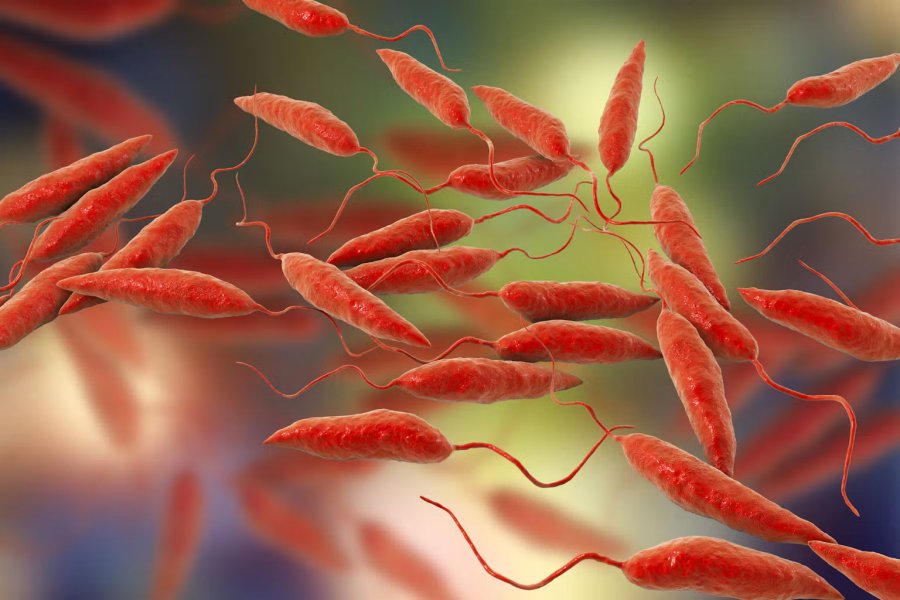
Leishmaniasis is a parasitic disease transmitted by the bite of infected sandflies. In Panama, the cutaneous form predominates, although the guide also considers mucosal, mucocutaneous, and visceral manifestations, the latter of which can be serious if not treated appropriately.
The document notes that the disease remains a public health problem, primarily in rural, indigenous, and agricultural communities, as well as among people who live in or travel through forested and hard-to-reach areas. Environmental, social, and occupational conditions can increase exposure to the vector.
The guide aims to strengthen epidemiological surveillance, improve the early identification of suspected cases, and establish criteria for confirming diagnoses. It also includes treatment guidelines based on the clinical form of the disease and the characteristics of each patient. The update includes guidelines for monitoring affected individuals, surveillance for potential complications, relapses, and response to clusters or outbreaks.
In addition, it proposes strengthening coordination between health services, laboratories , and the authorities responsible for vector control. In terms of prevention, the document includes measures such as the use of repellents and mosquito nets, reducing exposure to sand flies, and environmental actions to decrease their presence. It also promotes health education and community participation in prevention and control activities.