

Demographics in Panama: Women Outnumber Men
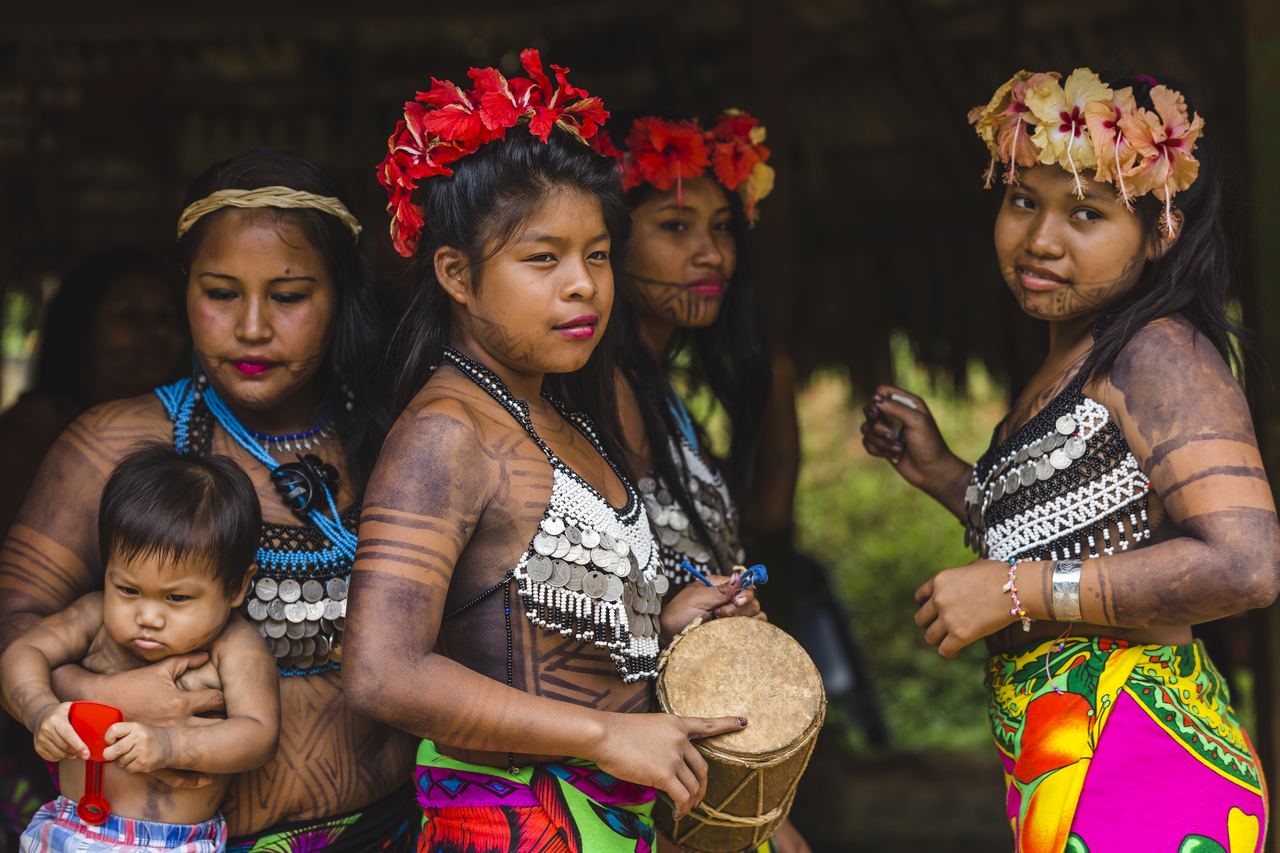
A historic change in the demographic structure of Panama was confirmed by the National Institute of Statistics and Census (INEC) of the Comptroller General of the Republic, revealing that since 2023 women have come to represent the majority of the population in the national territory.
According to census records and official projections, in 2023 there were 2,049,962 women compared to 2,014,818 men, consolidating the turning point in the country’s population curve. The growth trend of the female population has remained constant during the current decade.
In 2020, men represented 50.8% compared to 49.2% for women. By 2022, the gap had narrowed to 50.1% for men and 49.9% for women. Women reached 50.0% of the total population, exceeding the volume of men (49.9%) in absolute terms.
For the current year 2026, INEC estimates indicate that women make up 50.7% of the population, while men represent 49.3%. Accompanying the demographic transformation, INEC data on the labor force show a strong concentration of gender depending on the economic activity:
Predominantly female sectors
Teaching (Education): 70.0%.
Hotels and restaurants: 60.4%.
Finance and insurance: 59.6%.
Health and social assistance: 76.9% female participation.
Predominantly male sectors
Construction: 93.3% male participation.
Transportation and storage: 83.5%.
Agriculture, livestock, forestry and fishing: 74.4%.
Manufacturing industry: 56.1%.
Statistical data makes it possible to highlight the contribution of men and women to the national productive force, serving as a key input for the design of public policies on employment, equity and infrastructure.