
Buying a Condo in Casco Viejo: Heritage Rules, Prices and Rental Reality
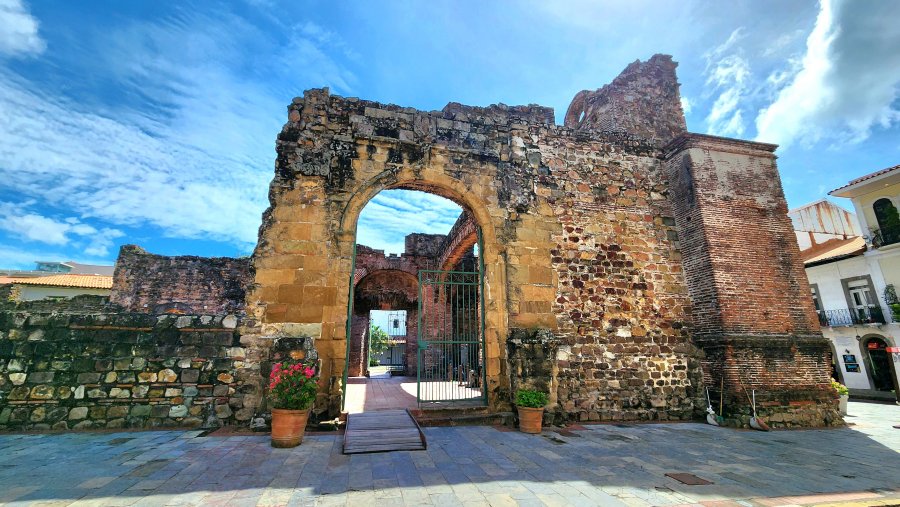
Casco Viejo is the most photographed corner of Panama City, and more and more foreign buyers want a piece of it. The restored colonial quarter on the Bay of Panama has been a UNESCO World Heritage Site since 1997, and its plazas, rooftop bars and boutique hotels now draw visitors, diplomats and remote workers year-round. Buying here, though, works differently from buying a tower condo on Avenida Balboa or in Costa del Este. These are the points buyers should understand before they make an offer.
A small district with slow-growing supply
Casco Viejo, also called Casco Antiguo or San Felipe, sits on a small peninsula at the southern end of the city. Its buildings date from the 17th to the 20th century, and heritage rules control what can be restored, altered or built. That keeps the district’s character intact, and it also keeps supply tight. Whole colonial houses rarely come up for sale. Most listings are apartments and lofts inside restored buildings, plus street-level commercial units.
The district is not uniform. The core monumental zone carries the strictest restoration rules, while the surrounding areas have more flexible codes. Within a few blocks, views, noise and rental appeal can change a great deal:
- Plaza Catedral is the main square, central and prestigious, close to the Presidential Palace.
- Plaza Bolívar is surrounded by restaurants and tends to be calmer in the evenings.
- Plaza de Francia and Las Bóvedas, at the tip of the peninsula, have sea walls, the waterfront promenade and some of the best views.
- Avenida Central is livelier, with shops and cafés busy day and night.
- Avenida A and the edges are still changing, with restoration projects and generally lower entry prices.
- Santa Ana, just outside the district, offers newer loft buildings at a lower price point within walking distance.
What it costs
Entry-level apartments and small commercial units start at around US200,000.Well-finishedone-andtwo-bedroomapartmentstypicallyrangefromaboutUS270,000 to US$900,000. Larger homes, whole buildings and portfolios run into the millions. Views, terraces, a pool and, above all, an elevator move the price more than the bedroom count.
Monthly condominium (PH) fees usually run from about US175tomorethanUS400, depending on the building’s size and amenities. Buyers should ask for the current fee, what it covers and the balance of the reserve fund before making an offer.
Elevators, parking and old bones
Because of heritage rules, many restored buildings have no elevator, little or no parking and narrow staircases. Newer conversions sometimes include them, but buyers who need step-free access should say so from the start.
Restoration quality also varies widely. An apartment restored fifteen years ago may look beautiful and still hide tired plumbing, wiring or waterproofing. An independent inspection of the structure, roof, plumbing, electrical system and waterproofing is money well spent, especially in older conversions.
Short-term rentals: check the building, not the neighbourhood
Casco Viejo has steady demand from visitors, executives and remote workers, and that is why many buyers look here. But whether you can rent by the night is decided by each building’s condominium rules, not by the district. Some buildings prohibit stays under a set number of days. Get the rules in writing during due diligence, before you rely on short-term income.
The numbers also need honest modelling. Short-term rental management commonly takes 20% to 25% of revenue, and condominium fees and maintenance come on top. Net returns sit well below gross rent.
Tax incentives: verify, do not assume
Panama encourages restoration of the historic district through Law 136 of 2013, updated by Law 519 of 2026. Qualifying restored properties can benefit from a transfer tax exemption on the first sale after restoration (for investments of at least US$50,000), an income tax exemption on commercial activity for up to 10 years, duty-free import of restoration materials and access to preferential restoration mortgages.
Many restored buildings also carry property tax exemptions, so some owners pay little or no property tax for a period. Each exemption is tied to the specific property and its restoration date. Buyers should have their attorney confirm whether an exemption applies, when it started and how many years remain.
Can a Casco purchase support residency?
It can, but the numbers matter. Under the Qualified Investor rules in force since September 2026, a new, first-sale property qualifies from US300,000,whilearesalepropertyneedsUS500,000. Most restored Casco apartments are resales, so they usually fall under the higher threshold. A titled purchase of US$200,000 or more can support the Friendly Nations visa for eligible nationalities. Rules change, so confirm with a Panamanian immigration attorney before buying for residency.
How the purchase works
Foreigners have the same property rights as Panamanians, and Casco Viejo is not affected by the border-area restrictions that apply elsewhere. Most buyers take title in their own name or through a Panamanian corporation or private interest foundation.
A typical purchase follows a promise-to-purchase agreement with a deposit, commonly 10% to 20%, held in escrow. The buyer’s own attorney checks title, liens, permits, condominium rules and tax exemption status, and the deed is then signed and registered at the Public Registry. Attorney fees usually run about 1% to 1.5% of the price, plus small notary and registry fees, and the 2% transfer tax is customarily paid by the seller.
For buyers comparing buildings, micro-areas and current listings, Panama Properties keeps an updated guide to Casco Viejo real estate, including what it checks before every purchase.
The bottom line
Casco Viejo rewards buyers who choose the building as carefully as the view. Confirm the rental rules, the tax exemption, the access and the condition of the restoration before you sign. Done that way, a Casco apartment can be both a rare place to live and a sound long-term hold in Panama’s capital.