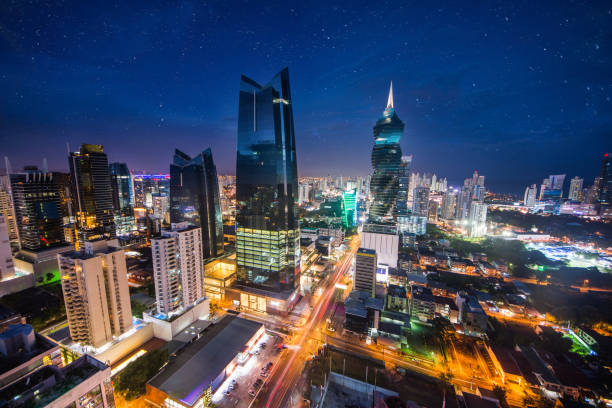
The New Face of Drug Trafficking in West Panama. Luxury Home Hideouts.
In September 2026, units of the National Police raided a logistics center in Arraiján and found 1,380 kilos of suspected drugs. Operation Nodriza revealed that drug traffickers were using residences in Arraiján to hide drugs. Authorities are warning about express rentals and the latent danger.
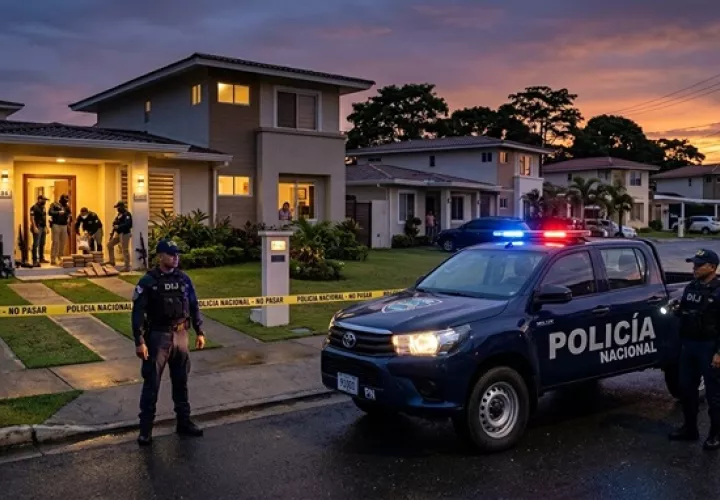
Panama: Organized crime has found a discreet space to store drugs in the middle-class residences of Arraiján and La Chorrera. Unlike industrial warehouses, these houses in gated communities go unnoticed among families and security checkpoints, transforming the tranquility of these neighborhoods into a real headache for the authorities. The most compelling evidence of this method came to light with Operation Nodriza. Investigations by the Public Prosecutor’s Office revealed that the network smuggled narcotics into the country by boat and then hid them in residences in the Arraiján district. From these houses, the drugs were transported in modified vehicles to Central America and the United States.
The Modus Operandi: Express Rentals and a Low Profile.

The operational scheme used by these criminal organizations is based on precise logistical calculations. Members of the networks hire or rent homes in gated communities, paying rent in cash to avoid thorough credit checks by landlords or real estate agencies. Once established, the criminals adapt the properties as operational centers for packaging, preparing, and distributing the drugs. To avoid arousing suspicion among area residents, the movement of shipments or people takes place at night or in the early morning in vehicles with tinted windows.
Drug Busts in 2026.

Official figures support the magnitude of the problem. In September 2026, National Police units raided a logistics center in Arraiján and found 1,380 kilos of suspected drugs. The substance was turned over to the authorities in an operation that demonstrated how organized crime uses not only houses but also industrial warehouses to hide its shipments. According to the SIEC (National Integrated Criminal Statistics System), between January and August 2026, 15.2 tons of illicit substances were seized in West Panama: 8.6 tons of cocaine and 7.3 tons of marijuana. These figures confirm that the province has become a strategic temporary storage point for drug trafficking networks.
There Could be Danger Next Door.
For residents who pay maintenance fees to live in a safe environment, learning that packages of cocaine or marijuana were stored in the house next door is deeply concerning. Residents of neighborhoods in Arraiján and La Chorrera report how the presence of unfamiliar vehicles and the secretive behavior of supposed tenants often trigger police operations. The community’s primary concern is the risk of shootings or clashes between rival gangs in the middle of residential areas. In response, neighborhood committees in gated communities have begun demanding stricter regulations for rental agreements, requiring formal deposits and criminal background checks before granting entry to the neighborhoods.
What to do if you Suspect a House in Your Neighborhood?
The first step is observation, but without exposing yourself. If in your neighborhood there is a rented house where the tenants are secretive, don’t socialize with the neighbors, receive strange visitors late at night, or if vehicles with tinted windows are constantly seen coming and going, it’s cause for concern. Authorities recommend not confronting these individuals. Instead, note down details such as vehicle license plates, the times they are active, and descriptions of the individuals.

Report this information immediately to the National Police or the Specialized Prosecutor’s Office for Drug-Related Crimes. You can also contact the emergency hotline 104 or the Public Prosecutor’s Office anonymously. If your building management has a security committee, demand that stricter filters be implemented for rental contracts, such as background checks and formal deposits. Citizen collaboration is the most effective tool to prevent your neighbor’s house from becoming a powder keg.
Urgency of Controls and Legal Consequences.

Faced with the consolidation of this phenomenon, security authorities and the Public Prosecutor’s Office reiterate the need to strengthen oversight of the informal real estate market. Intelligence units emphasize that the illicit rental of homes is a key element in the tactical distribution of illicit substances in the metropolitan area and the western sector. Judicial authorities are warning property owners about their legal responsibility to verify the suitability of their tenants, as residences used for the commission of drug-related crimes are subject to seizure, trials, and prison sentences of more than 10 years for those involved.