The Challenge of Living Better in an Aging Panama.
In this country, there are retirees with pensions below $600 per month. According to the most recent census, 563,641 people aged 60 and over currently live in Panama, representing approximately 14% to 15% of the total population. This number is projected to reach 962,468 by 2035.

Living longer does not always mean living better, and in times when the population is living longer, the challenge of adjusting our societies to that reality is ever greater. In Panama, the estimated average age of the population for 2026 is 30.6 years and the aging index is 61.5, meaning that for every 100 people under 15 years of age there are approximately 61.5 older people. Although there are still more children and adolescents in the population pyramid, according to projections from the National Institute of Statistics and Census (INEC) for the year 2035 this indicator would rise to 104. Another important piece of data for understanding the demographic transition the country is undergoing is the dependency ratio. Currently, that ratio is 52.75 dependents for every 100 people of working age, and it is estimated that by 2050 that ratio will rise to at least 70.
Is Panama Prepared to Grow Old?

The 2023 Population Census clearly demonstrates, in absolute numbers, that the challenge is significant: 563,641 people aged 60 and over were registered. According to projections, that number will increase to 690,666 in 2026 and 962,468 in 2035. Of the total number of older adults surveyed in the Census, 43.4%, or 244,902, were retired or receiving a pension, although the average monthly pension income was $554.59; 13.1% live with a disability, and only 38.5% have social security. Furthermore, 73.9% are not economically active.
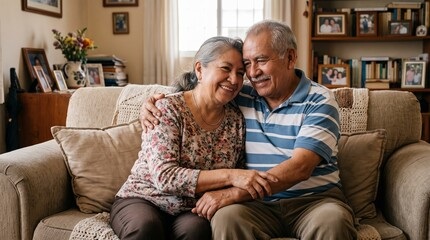
And it’s not just about pensions. If we add to this basic demographic snapshot some data related to population health—an increase in diagnoses of hypertension, diabetes, and dyslipidemia, as well as a large portion of the population living with obesity—the need to work on prevention and early intervention becomes clear. This is essential to prevent today’s young population from experiencing high levels of dependency or difficulties remaining economically active when they enter the “older” segment.
42%
Of Panamanians suffer from high blood pressure.
15%
Of people over 15 years of age have type 2 diabetes.
71%
Of the adults live with excess weight and 40% with obesity (four out of ten Panamanians).
Furthermore, it is necessary to change, as a society, aspects related to education, work, and the fight against age discrimination, since the financial independence of the elderly population not only implies access to a pension that allows for quality of life, but also the elimination of cultural barriers that limit their permanence or access to social enjoyment.
From Welfare to Longevity.
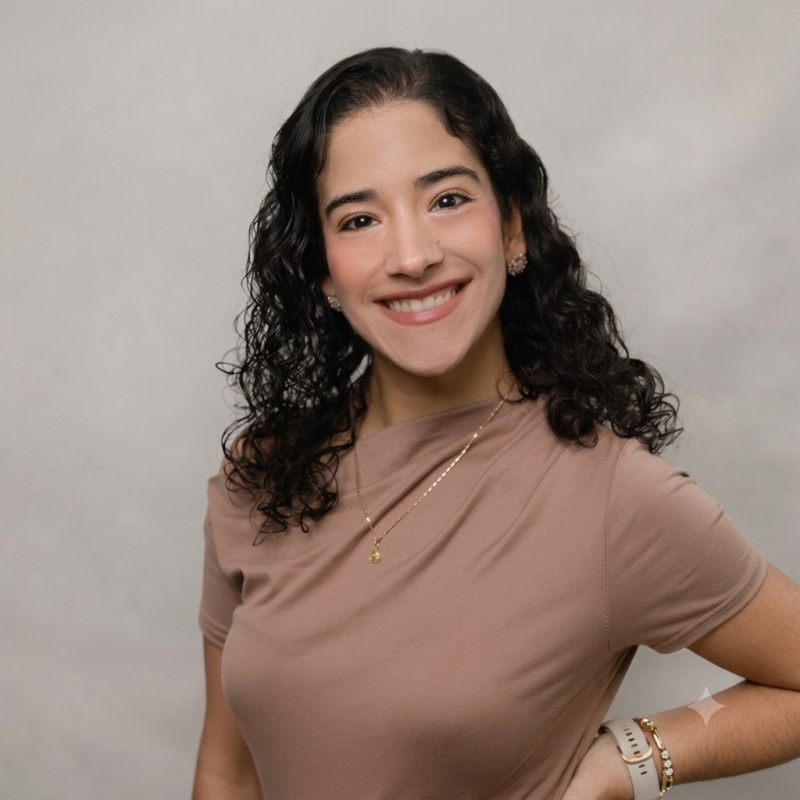
Public policy lawyer Shanntal Veiga pictured above says the figures are worrying and that the country is “late, very late in developing public policies that allow people to age with rights and guarantees.” “It is not prepared, as in other areas, to face this generational shift that is arriving at our doorsteps,” she stated. One of the shortcomings she points out is that there are laws and decrees that allow for the protection of the elderly, especially those in care centers, but it all remains a dead letter because there is no budget.
1
Law 431 of 2024 that creates the National Care System of Panama
2
Resolution 237 of 2023 that establishes the Comprehensive Care Protocol for older people with levels of dependency.
3
Law 23 of 2021 on the Silver Economy.
4
Executive Decree 238 of June 23, 2021, which regulates comprehensive care centers for the elderly.
5
Law 228 of 2021 on Casadía for the elderly.
It also highlights the lack of metrics to understand the impact of investments made in this population and points to the limited budget allocated to the Ministry of Social Development to address the magnitude of its responsibility in this area, which includes having specialized personnel.
$266.9
This was the budget allocated to Mides for the fiscal year 2025 and increased to $294.9 million after modifications and transfers of items during the fiscal period.
$238.6
This is the total budget, in millions, approved for 2026, of which $194,153,178 corresponds to investment and $44,543,846 to operation.
$191.8
This is the amount, in millions of dollars, allocated in the 2027 budget project, of which $145,417,802 are for investment and $46,416,942 are for operations.
Veiga cites Uruguay and Chile as examples in the region, countries that have services for senior citizens that allow them to be less dependent on the state. She affirms that there are spaces for routines and recreation, and that a very important circular economy exists. When asked if this wasn’t a particularly paternalistic view, the constitutional rights specialist acknowledged that it’s true we’re used to always blaming the State, but it’s also true that the State has to guarantee the population a path forward, and although there have been policy advances and actions, they haven’t been sustained over time, nor have the necessary funds been allocated to implement the public policy and the approved laws.
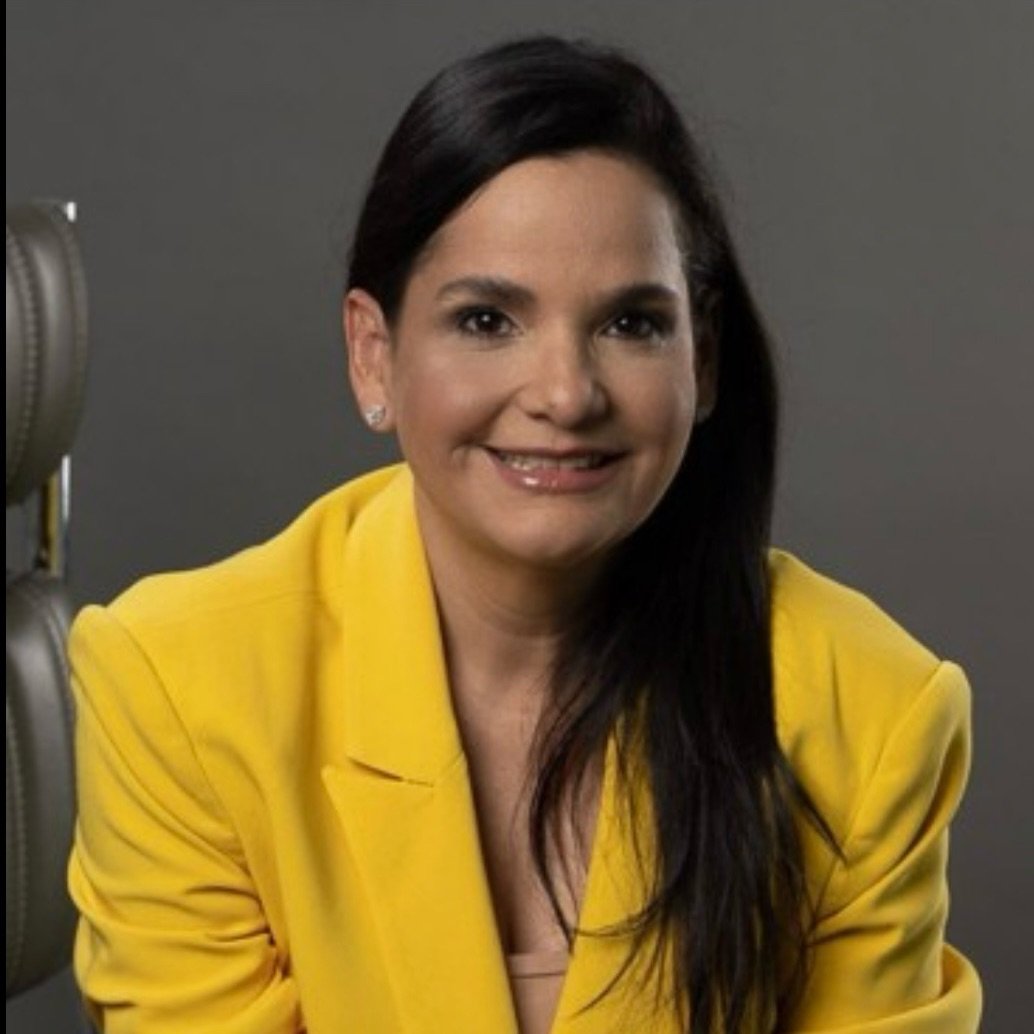
For María Inés Castillo pictured above, former Minister of Social Development and president in Panama of ‘The Shift’, a platform that connects institutions, government, academia and business to accelerate organizational adaptation to population aging, “it is important to set the conversation, to move from talking about welfare, to a real inclusion of older people.” Castillo, who is a lawyer and consultant on gender, longevity and social development, affirms that older people have significant potential for entrepreneurship, for legacies, for being that productive workforce that the country requires because, eventually, the so-called demographic dividend will decrease and, at that moment, we will begin to talk, as already happens in other societies, about much longer professional trajectories. Currently in Panama, women retire at 57 and men at 62, but most must continue working because what they receive is not enough to support themselves.

Castillo emphasizes the importance of companies taking the time to onboard new employees and supporting them in preparing for the end of their careers by providing financial planning education with a longevity focus. “It’s no longer enough to simply talk about retirement to live those extra years; we’ll need to build wealth beyond that. If we don’t prepare, our pensions won’t be enough, and we’ll have older people working for many more years,” she stated. Last April, during a meeting organized by INCAE Business School in partnership with Sumarse, Andrea M. Prado pictured below, INCAE professor and director of the Health and Life Sciences Initiative, argued that the generational shift occurring in Panama cannot be addressed solely from a welfare perspective.
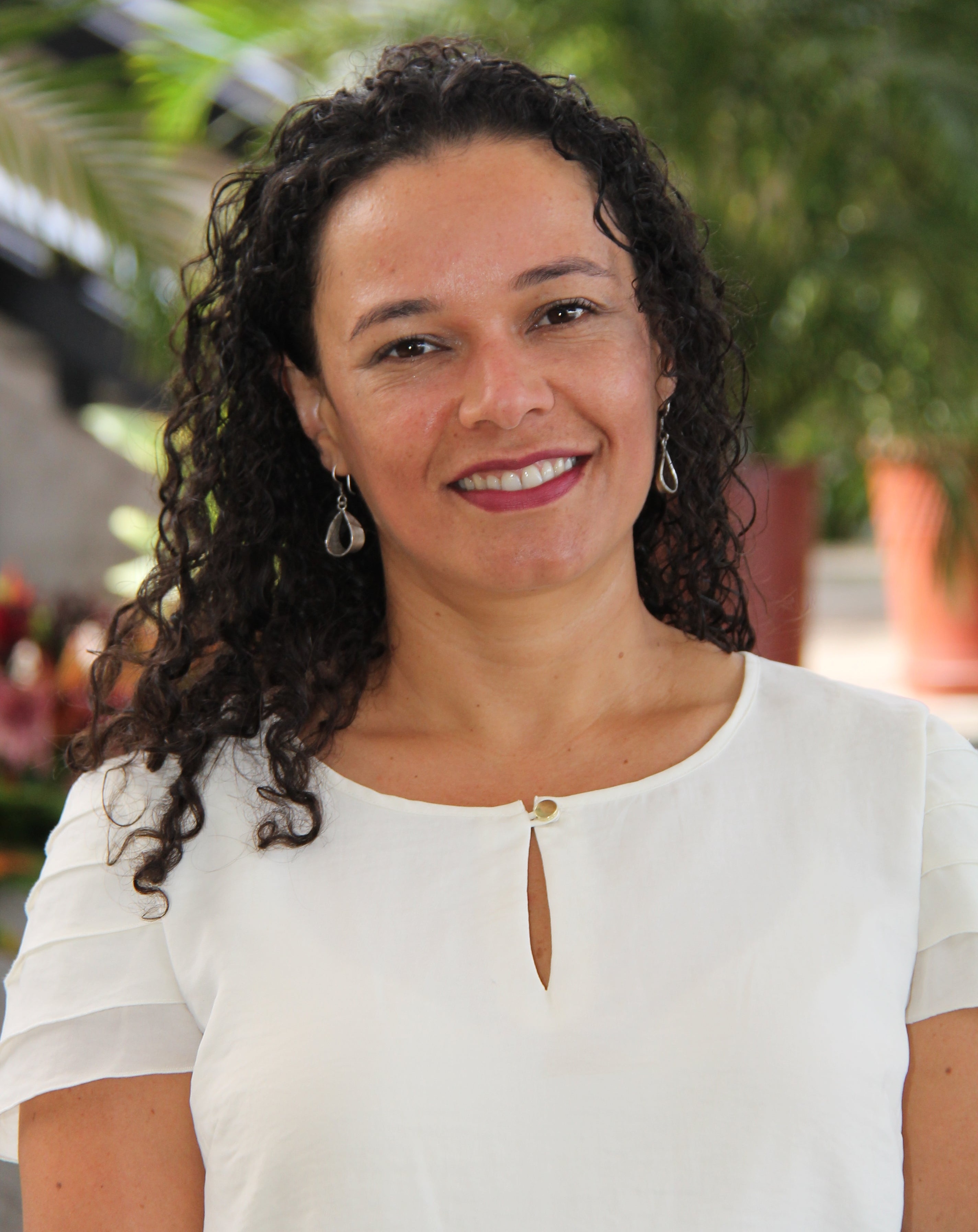
She stated that it requires rethinking the organization of work, care systems, and the development of new markets linked to longevity. During the same panel, Edith Castillo pictured below, national representative of the United Nations Population Fund (UNFPA), explained that the country is already experiencing structural changes such as the reduction in household size, their geographical dispersion and the sustained increase in the demand for care, factors that affect the availability of talent, the organization of families and the pressure on public systems.
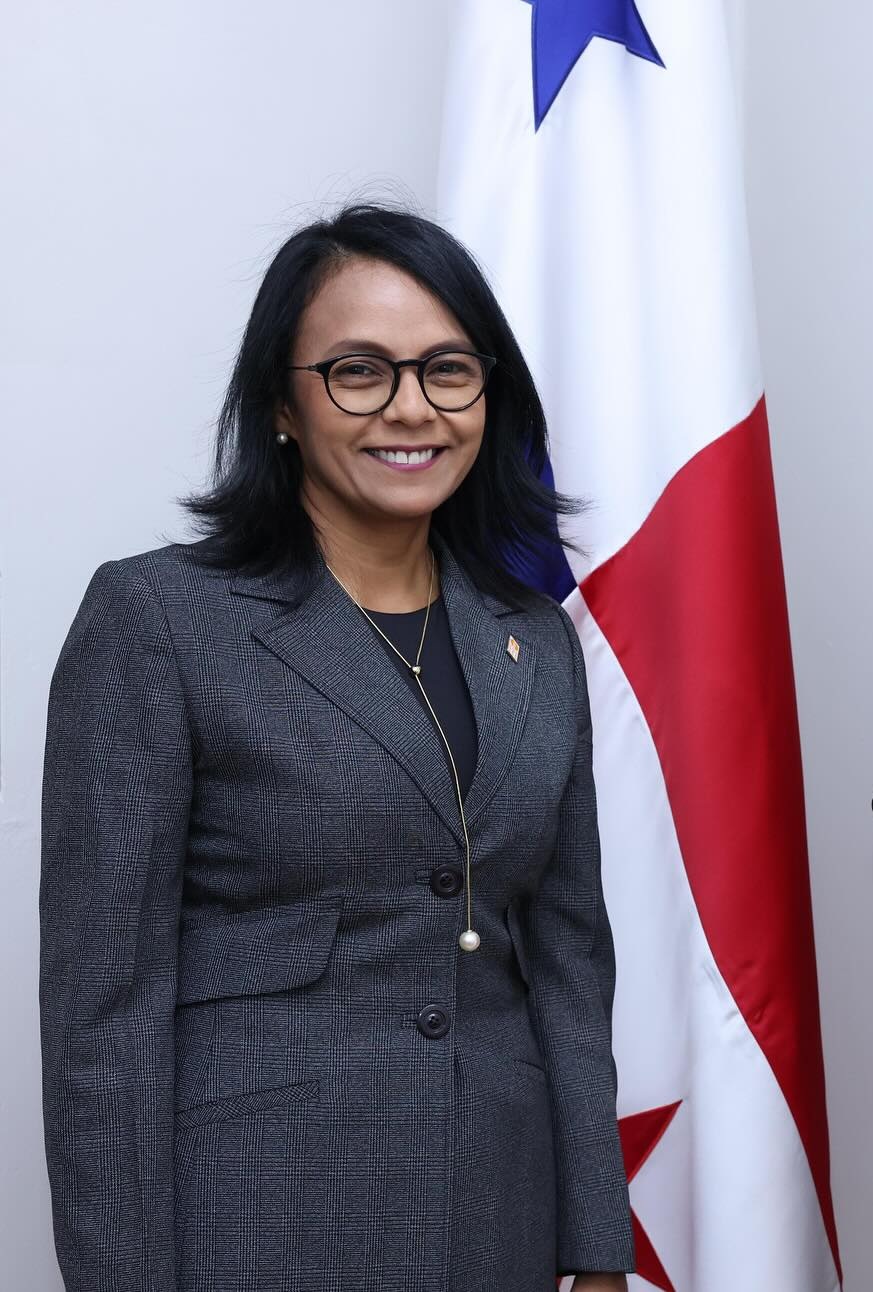
What Does Public Policy Say?
In 2024, Panama approved the Public Policy in favor of Older Persons 2024-2030, “For Healthy Aging for All,” which has the general goal of “incorporating healthy aging and respect for the human rights of older persons into the public agenda, through intersectoral and territorial coordination.” In this policy, older people are considered as strategic actors and beneficiaries of their own development, and three lines of work are contemplated: Economic security in old age; Health and well-being in old age; and Enabling and healthy environments. The policy aligns with the WHO’s guidelines for the Decade of Healthy Ageing (2021-2030) , which state that categorizing people solely by their lifespan is insufficient and ageist.
Therefore, its clinical guidelines prioritize assessing life stages based on intrinsic capacity (the combination of all an individual’s physical and mental abilities) and functional capacity. However, the policy requires swift action and funding. Currently, the Ministry of Social Development is nearing completion of what the agency calls its first institutional project in this area. This is the first day care center, or day house, which will be located in Juan Díaz and is expected to open in early 2027. This center will have the capacity to serve between 50 and 100 people.
The idea is to welcome older adults with mobility and perhaps reduced mobility to give them comprehensive care: occupational therapy, training, recreation, social work support. The institution’s aspiration is that similar programs will be implemented at the provincial level, forming alliances with community boards, so that working families have a safe place, with qualified staff, to leave their elderly relatives during the day. Mides is also responsible for running some 79 long-term care facilities in the country, which house around 2,000 elderly people.
Former Minister of Social Development María Inés Castillo points out that the demographic issue is seen worldwide as one of the potential factors of impoverishment if it is not viewed with a long-term perspective, both from the perspective of public policies and by society—and the individual himself. The increase in life expectancy and the decline in birth rates mean that preparing for an aging society requires more than just designing policies for those who are 60, 70, or 80 years old today. It also means preparing those in their 20s and 30s now to experience a different kind of old age.
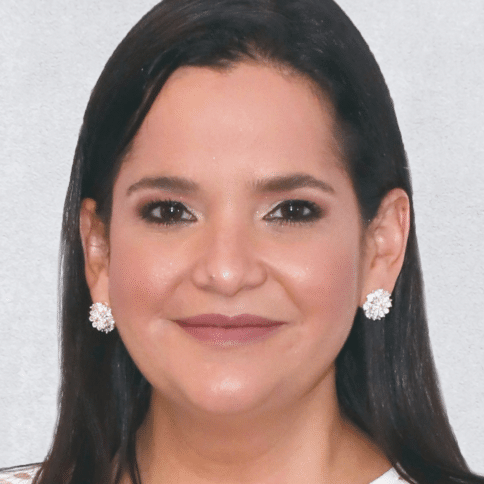
María Inés Castillo pictured above, (also known as María Inés Castillo de Sanmartín) served as the Minister of Social Development of Panama from 2020 to 2024 under former President Laurentino Cortizo, and she also presided over the Inter-American Commission of Women (CIM) of the OAS.
Key Roles and Background
- Former Minister: Led the Ministry of Social Development (MIDES) from June 2020 to June 2024.
- International Leadership: Served as the first Panamanian president of the Inter-American Commission of Women (CIM).
- Social and Public Advocacy: Chaired national councils focused on gender parity, children, adolescents, and the protection of adolescent mothers.