Colón and the Metropolitan Area Account for the Majority of 9055 Dengue Cases in Panama.
Colón and the metropolitan region have accumulated more than 4,400 cases of dengue up to epidemiological week 37.
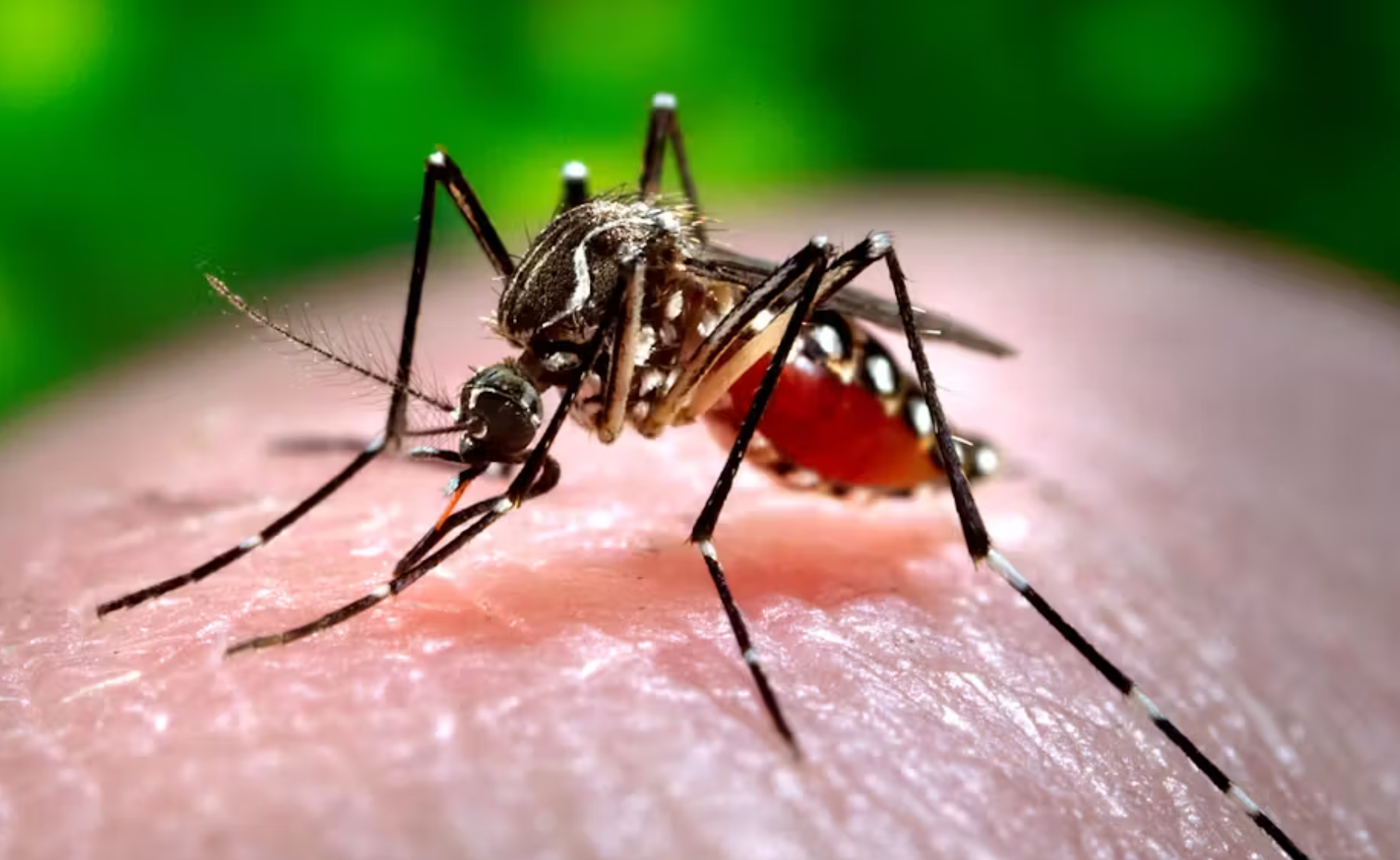
Colón, with 2,221 cases, and the metropolitan region, with 2,202, are the health areas with the highest number of dengue cases in Panama up to epidemiological week 37, corresponding to the period from September 13 to 19, 2026. The report from the Epidemiology Department of the Ministry of Health (Minsa) records 9,055 accumulated cases of dengue in the country so far this year.
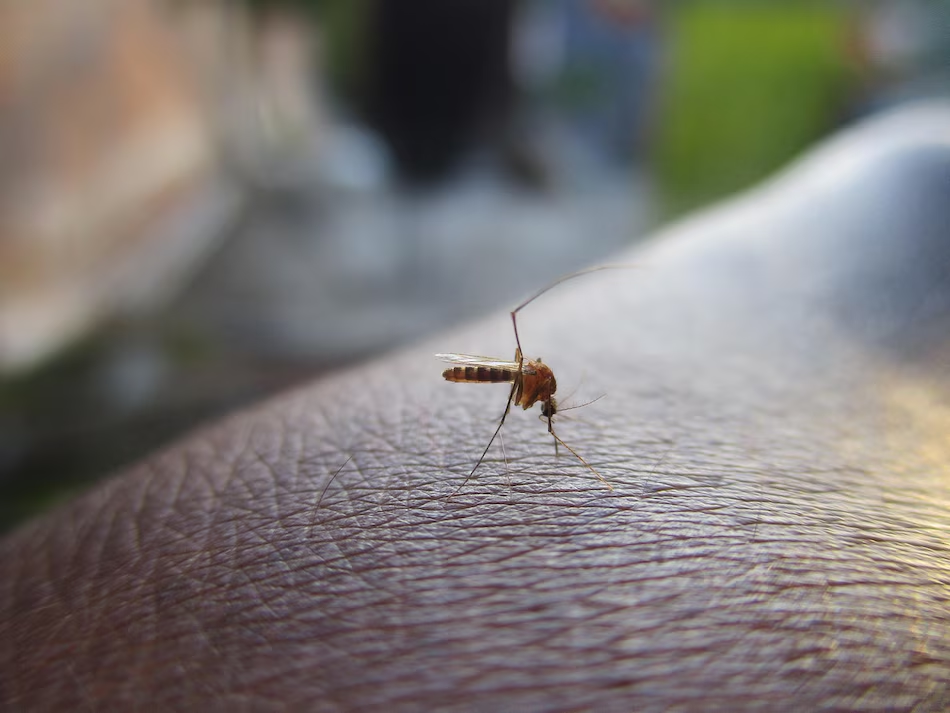
After Colón and the metropolitan region, the regions with the most cases are Chiriquí, with 989; Panamá Oeste, with 849; San Miguelito, with 739; Panamá norte, with 555; Bocas del Toro, with 482; and Panamá este, with 403. Cases are also reported in Herrera (244), Veraguas (115), Los Santos (83), the Ngäbe-Buglé region (62), Coclé (49), the Guna Yala region (42) and Darién (20).
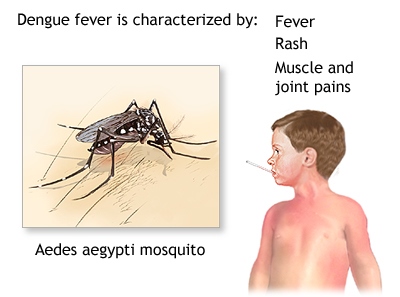
Despite the number of cases, the national total represents a decrease of 27.3% compared to the same period in 2025, when 11,790 cases were recorded. Of the total registered this year, 7,861 correspond to dengue without warning signs, 1,141 present warning signs and 53 were classified as severe dengue cases.
Fewer Hospitalizations, but 19 Deaths.

Up to epidemiological week 37, 1,031 people have been hospitalized for dengue, 9.8% less than the 1,129 hospitalizations recorded during the same period in 2025. The Ministry of Health also reports 19 deaths associated with dengue fever. Colón accounts for four; Bocas del Toro and Los Santos, three each; while the Metropolitan Region and Chiriquí each register two. The Ministry of Health reiterated that the reduction in cases registered this year does not mean that prevention measures should be abandoned, because the control of breeding sites must be maintained permanently. San Miguelito, Coclé, Panamá Norte, Panamá Oeste and Veraguas each report one death. The national incidence rate is 9.2 cases per 100,000 inhabitants.
Among the Districts with More than 100 Cases, the Following Stand Out:
708
Veracruz
440
Puerto Pilón
323
Hojitas
318
Tocumen
291
Burunga
285
Christopher
280
Cativá
253
December 24th
251
Cristóbal Este
217
New Providence
201
Chilibre
191
David
The 10-14 age group is the most affected, with 1,028 cases and an incidence rate of 277.4 cases per 100,000 inhabitants.
The Call is to Eliminate Breeding Grounds.
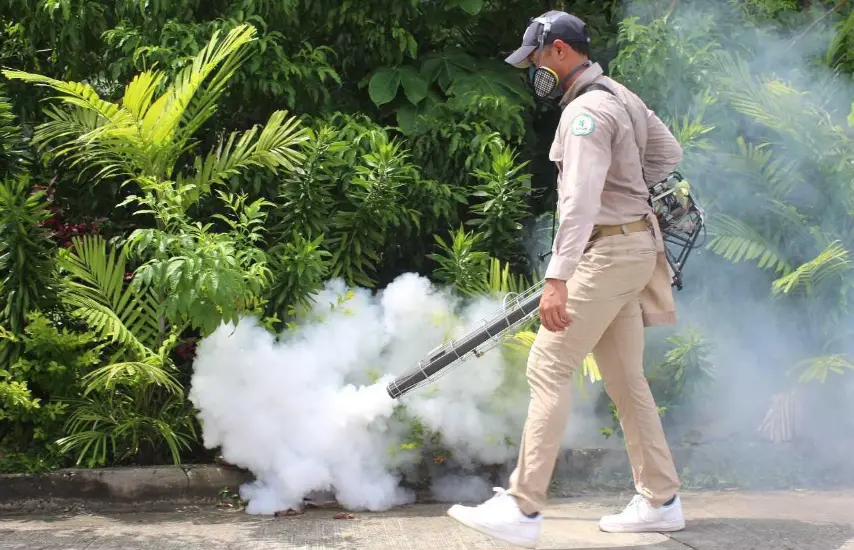
The Ministry of Health maintains prevention and control operations through the Vector Control team and Health Promotion strategies. Health authorities insist that public participation is key to reducing transmission and recommend permanently eliminating containers and objects that can accumulate water in and around homes.
The Main Measures Include:
1
Remove containers that collect water, such as cans, bottles, buckets, and other unused items.
2
Cover water containers to prevent the Aedes aegypti mosquito from using them as breeding grounds.
3
Empty and clean containers used to store water periodically.
4
Change and wash animal waterers frequently.
5
Discard or store under cover objects and tires that can accumulate rainwater.
6
Keep yards, gardens and the areas around homes free of containers that can become breeding grounds.