What Seattle Siding and Roofing Trends Say About Home Values
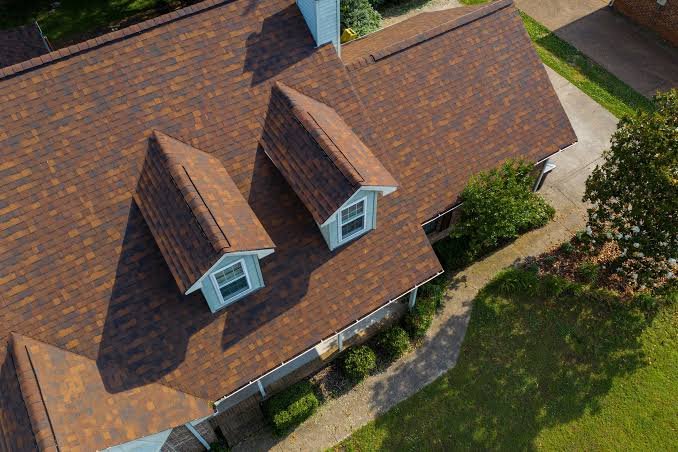
Most Seattle homeowners shopping for a house walk the block before they walk the house. I do it too, and I’m not proud of how fast I judge a place from the sidewalk. A sagging, moss-blackened roof tells you more about years of deferred maintenance than any listing photo will, and buyers clearly feel the same way. That first impression sets the ceiling on what anyone will offer.
Here’s what I want you to take from this piece: your exterior decisions, roof slope color siding material, are financial decisions dressed up as style choices. You’ll get a simple way to think about resale, which upgrades actually pay you back, and the handful of mistakes that make appraisers and buyers flinch.
This is an observational guide, not a how-to-write-a-check guide. Costs move around quarter to quarter, labor in this city is its own weather system, and I’m not going to pretend I know what a tear-off will run you next spring. The logic underneath, though, holds steady.
Why the roof is the first thing a buyer reads
A buyer at an open house stands at the curb and scans top-down. Roof first, then siding, then windows. The roof is the biggest uninterrupted surface on the building and also the clearest maintenance scoreboard. If it looks rough, people mentally deduct the cost of a replacement before an agent even starts talking.
You probably know the headline: Seattle gets a lot of rain. The National Weather Service records our region with many more overcast and wet days than most major American metros, and that constant moisture is the reason moss, algae streaking, and deteriorating flashing show up here faster than in drier climates. If you have ever scraped black streaks off a north-facing slope, you already get it.
Here’s the part that catches people off guard. Roof line color shapes perceived height. Dark shingles pull the mass of a house down and make it feel grounded and settled. Light or reflective shingles lift it and can make a compact bungalow look taller and roomier. I have watched two nearly identical homes on one block get noticeably different reactions at open houses, and the only meaningful difference was three shades of charcoal.
If you want the fuller picture on how local roofers approach slope, flashing, and moss prevention around the Puget Sound, the technical side is well documented at roof replacement contractors serving this region. That’s the practical layer, and it’s worth knowing before you ever list.
Three siding trends that actually move a sale number, and one that doesn’t
Siding is where taste and money collide. Some of what looks great in a design feed won’t separate your house from the one next door when it’s time to sell.
- Deep charcoal and warm black fiber cement. This is the current default for new builds, especially paired with white trim and a dark roof. It reads as deliberate and high-contrast, and buyers recognize it instantly as new.
- Cedar-look engineered products. They give you the texture of natural cedar without the upkeep schedule. Be honest about the tradeoff: people who want real cedar will notice, and a small slice of buyers cares deeply.
- Two-tone combinations. A darker upper story with a lighter base adds visual weight at the ground. Busy masonry, though, gets expensive fast and can fight the roof for attention.
- Trendy limewash. Beautiful on the right house, and risky on the wrong one. I love it. I also wouldn’t spend my own renovation money on it if resale were the goal.
Materials matter to value in a quieter way than color does. Wood shakes require ongoing attention in wet climates, vinyl does a perfectly fine job, and man-made stone veneers bridge the gap on cost. I would pick fiber cement in this climate almost every time, because the decades of upkeep you skip are worth more than the money you saved going cheaper.
What’s happening in Seattle’s market overall
Exterior upgrades don’t happen in a vacuum. They happen inside a regional economy that’s still adding households and still short on entry-level housing, and that bigger picture is where national data earns its keep.
According to Census Bureau reporting, King County has been one of the fastest-growing large counties in the country over the past decade, and steady in-migration keeps pushing buyers into established neighborhoods where exteriors vary wildly. When supply is tight, a clean exterior becomes a tiebreaker. Two houses, same square footage, similar interiors, and the one with a cared-for roof wins the offer, every time.
One housing-market habit worth keeping in mind: buyers pay a small premium for consistency. A dark roof, dark gutters, and a coordinated garage door read as a coherent product. Mixing a new roof with aged siding makes the new roof look like a patch on a tired building.
The inspection moment that tells you everything
Here’s a concrete scene from my own experience. I once stood in the driveway with a buyer’s inspector while he circled a house twice without saying a word. On the second pass, he pointed at the transition where the roof met a wall, then traced his finger down a curl in the siding below it. He didn’t say leak. What he said was, water has been here before, and it might still be here. That single sentence turned a shrug into a request for a credit.
What you should take from that: the roof and the siding age together or fail together. Moss creeping from the roof onto the side of a house is a shared problem, not two separate ones. If you fix one and ignore the other, the next inspector will find the connection, and you’ll be paying for it at the closing table.
So before listing, walk your own perimeter. Look at where the roof edge meets the siding. Look under downspouts. Look at the shadowed side. That five-minute loop is often the difference between an offer and a second showing.
A quick self-audit before you spend a dollar
Run this list, in order. It’s short on purpose.
- Note the age of roof and siding separately. If one is fifteen years older than the other, the pairing is your main resale risk.
- Check the north and west facing slopes for moss and streaks. Growth on the siding right below means the wash-off is reaching it.
- Color match the roof, gutters, and fascia. Consistent tone is free and it photographs better than any single new feature.
- Decide if you’re renovating to live or renovating to sell. The two goals point at different materials, and you can’t chase both.
- Get a second opinion before you commit. You want a human being on your roof, not a phone estimate.
That fourth item deserves the most weight. If you’re staying put for a decade, personal taste wins and resale math takes a back seat. If you’re listing within two years, you’re designing for someone else’s eyes now.
The short version
Siding and roofing decisions do quietly set your home’s value, mostly because buyers and inspectors interpret them as signals rather than materials. Dark roof lines make houses read as grounded and cared for. Coordinated exteriors win tiebreakers in a tight market. Mismatched ages fail the driveway test. You don’t need a designer to fix any of it, but you do need to walk your own perimeter before someone else does.
So here’s my question for you: if a buyer pulled up to your curb tomorrow, would your exterior tell the truth about how well you’ve maintained the place, or would it tell a story you didn’t intend? Walk outside and find out.