Panamanian Passport Ranks 58th in the World and has a Total of 137 Points Globally.
The report differentiates between the mobility offered by the Panamanian passport to its citizens and the conditions that Panama establishes for foreigners.
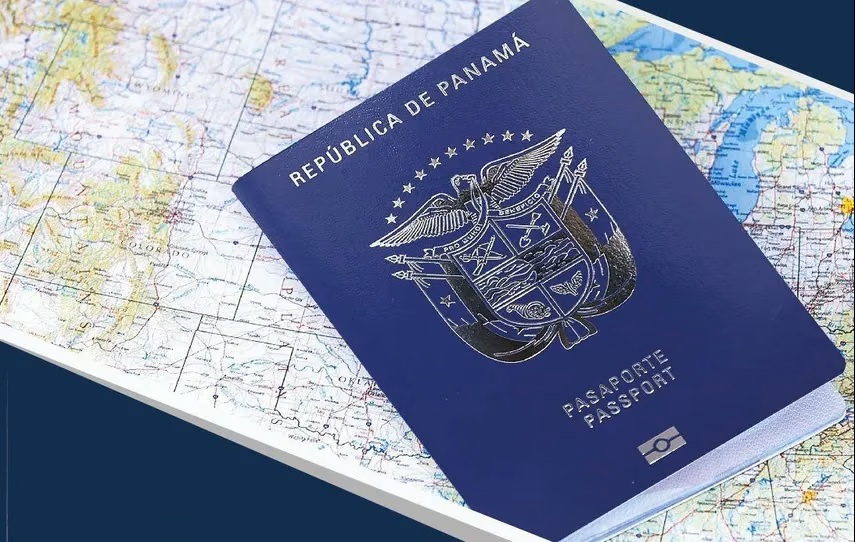
Panama’s passport ranks 58th in the world in 2026, with a mobility score of 137, according to Passport Reports. This score reflects the number of destinations Panamanian citizens can access without a visa, through simplified entry procedures, or with an electronic travel authorization.
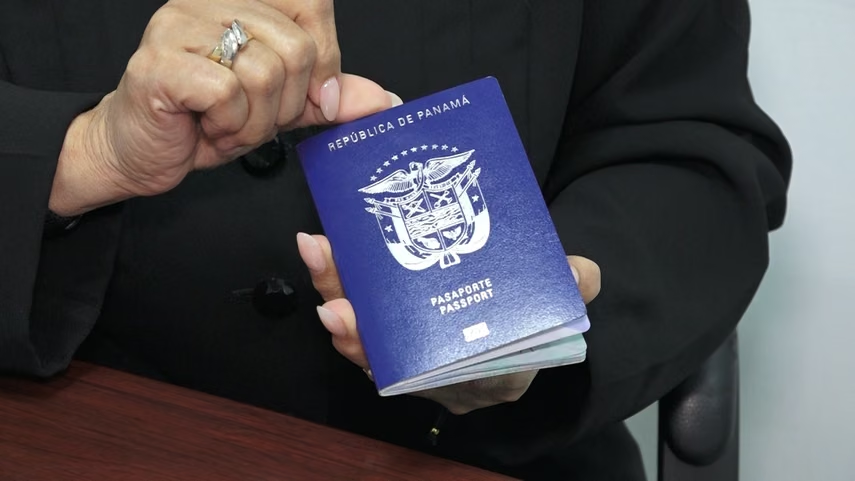
The report indicates that the Panamanian document grants access to 88 destinations without a visa, 41 with a visa on arrival or other simplified. entry mechanisms, and eight with an Electronic Travel Authorization (eTA) A prior visa is required for the remaining 61 destinations.
The mobility score is obtained from the sum of these three access methods, while in case of a tie between passports, the report uses as tie-breaking criteria the number of visa-free destinations, those accessible via eTA and, subsequently, those requiring visa on arrival or simplified entry.
Europe Offers the Greatest Coverage for Panamanians.
Europe is the region where the Panamanian passport offers the broadest coverage. According to the report, it achieves 100% access in the 47 European destinations evaluated. Of that total, 46 destinations are listed as visa-free, while the United Kingdom requires electronic travel authorization. The report does not list any European destinations that require a visa for Panamanian citizens.
South America and the Caribbean Maintain High Levels of Access.
In South America, the Panamanian passport has a coverage of 91.7%. Of the 12 destinations analyzed, 11 allow visa-free entry, while Venezuela is listed in the visa-required category. In the Caribbean, coverage reaches 87.5%, with 12 destinations without a visa, one under visa on arrival or simplified entry, one through eTA and two that require a visa.
The United States and Canada are Among the Destinations that Require a Visa.
In North America, coverage reaches 81.8%. The report identifies 16 visa-free destinations, one with simplified entry, one with eTA, and four that require a visa. These latter include the United States and Canada, as well as Grenada and Haiti. The report also records stays of up to 180 days for Panamanian citizens in destinations such as Antigua and Barbuda, El Salvador, Costa Rica and Mexico, within the visa-free entry routes.
Asia has Less Coverage.
In Asia, access reaches 56%. The region has 11 visa-free destinations, 14 under visa-on-arrival or other simplified mechanisms, three through eTA, and 22 that require a visa. Visa-free destinations include Georgia, with stays of up to 360 days, as well as Japan, Turkey and Vietnam, with periods of up to 90 days, according to the report. Africa has a coverage rate of 53.7%, while the Middle East reaches 52.9%. In Oceania, access reaches 35.7%, in the Gulf countries 33.3%, and in Central Asia 20%.
Panama’s mobility declines compared to 2024 and 2025.
Historical trends show variations in the position of the Panamanian passport over the last few years. In 2020, Panama had a mobility score of 80 and ranked 60th. In 2021 it rose to 115 points and 52nd place; in 2022 it reached 136 points and 59th place, while in 2023 it reached 140 points and ranked 58th. In 2024 and 2025, the Panamanian passport registered 141 points and ranked 53rd. In 2026, the score dropped to 137 and the position fell to 58th. The most recent Passport Reports report, updated in September 2026, keeps Panama in 58th place in its world ranking.
Panama is Also Evaluated for the Ease of Entry for Foreigners.
The report differentiates between the mobility offered by the Panamanian passport to its citizens and the conditions that Panama establishes for foreigners. In the ranking of most welcoming countries, Panama appears in 66th place out of 199 countries, a measurement that evaluates the ease of entry for holders of foreign passports. The report also identifies situations of reciprocity: in some countries citizens can enter Panama under simplified procedures while Panamanians need a visa to travel to those destinations, while in others the opposite situation occurs.