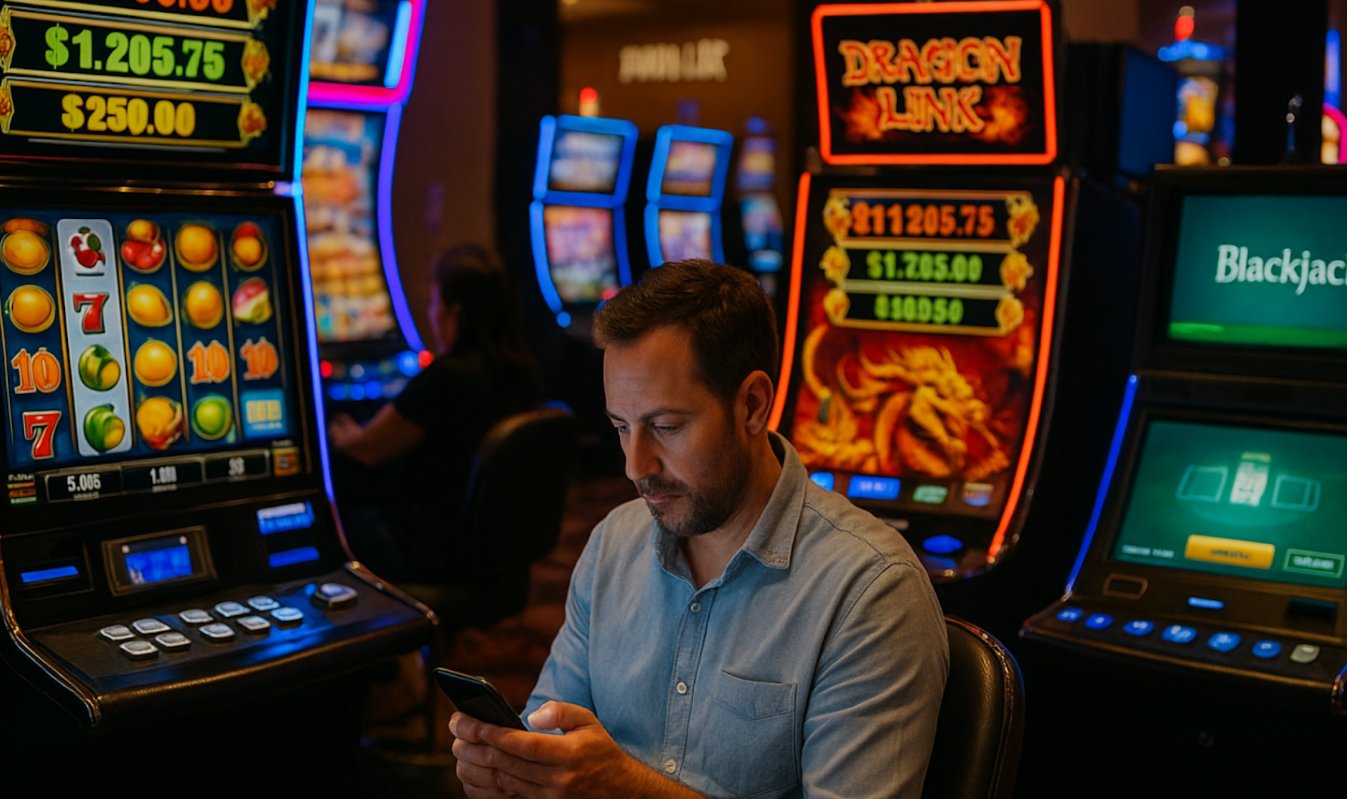

Panama Approves Bill to Tighten Gambling Regulations and Ban Betting Advertising

Guest Contribution – The National Assembly of Panama has approved Bill No. 403, which significantly reshapes the country’s gambling industry landscape. The document, initiated by deputies Raúl Pineda and Crispiano Adames, strengthens the prevention of gambling addiction and introduces strict requirements for casinos and digital platforms.
The initiative emerged against the backdrop of rapid online gambling growth in the region. Legislators identified two key objectives: protecting vulnerable groups and fostering a culture of responsible gambling. In essence, Panama is attempting to erect a legal barrier before a wave of digital betting sweeps across the country entirely.
Which gambling games are most popular in the country?
In preparing this report, conducted research was carried out across several industry sources to determine which gambling games are gaining popularity in Panama and the region at large. It emerged that the fastest-growing segment consists of next-generation live formats: monopoly big baller casino game, Aviator, Plinko, as well as various slots, roulette, and poker. All of these game titles are attracting the attention of individuals who have never previously placed a bet. This dynamic explains precisely why Panamanian legislators chose to act preemptively, rather than waiting for the scale of the problem to become unmanageable.
Gambling advertising subject to near-total ban
The most prominent element of the bill concerns restrictions on promotion. The document prohibits gambling advertising across several channels:
- in traditional media and on digital platforms;
- on social networks;
- in sporting environments, including sponsorship deals.
A separate provision explicitly prohibits the use of public figures, bloggers, and influencers to stimulate betting. This clause effectively closes off one of the most efficient channels through which bookmakers have been reaching younger audiences in recent years.
10% of operators’ profits to fund problem gambling treatment
The bill establishes a transparent financial mechanism to support individuals suffering from gambling addiction. Casino and online platform operators are required to transfer 10% of their profits to the Panamanian Institute of Mental Health (INSAM).
The funds collected will be directed toward assistance programs for those with gambling addiction and toward the establishment of a specialized gambling addiction treatment center. The legislators’ rationale is straightforward: the industry that generates the problem must finance its solution.
Biometrics as a shield for minors
The document categorically prohibits the participation of minors in any form of gambling. The measure does not stop at a written prohibition, however. Online platforms are required to implement biometric identity verification systems that confirm the age and identity of each user.
This approach elevates oversight to a technological level, where circumventing restrictions is considerably more difficult than with conventional document checks. In effect, Panama is aligning itself with advanced digital verification practices already applied in the financial sector.
Fines, license revocation, and school-based education
Enforcement of the new rules has been entrusted to the Junta de Control de Juegos (JCJ). The regulator will receive technological tools for real-time monitoring of operations, enabling the prompt identification of violations.
The liability framework is structured on a principle of escalating severity:
- fines of up to 10% of an operator’s revenues;
- suspension or license revocation;
- initiation of criminal proceedings in the most serious cases.
In addition to sanctions, the bill introduces restrictions on payment methods to reduce the risk of uncontrolled debt among players. Educational modules on the risks of gambling are also planned for integration into Panama’s school curriculum. This combination of punitive and educational measures reflects a comprehensive approach rarely seen in Latin American regulation.
The final step toward enactment
For the provisions to enter into force, approval by the executive branch is required. The bill awaits the signature of Panama’s president, after which all provisions of the document will acquire legal force.
________________________________________________________________________________________________________________
Advertisements placed in our Guest Contribution sections are in no way intended as endorsements of the advertised products, services, or related advertiser claims by NewsroomPanama.com, the website’s owners, affiliated societies, or the editors. Read more here.