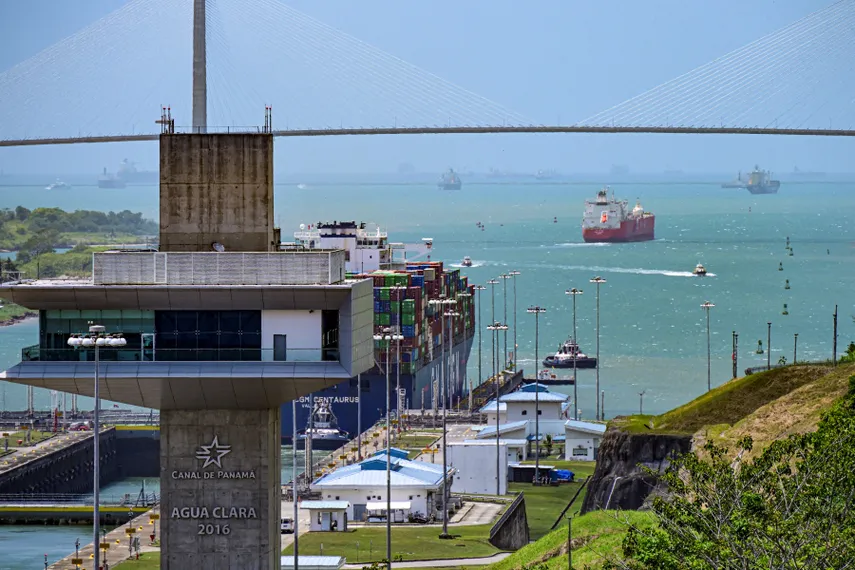
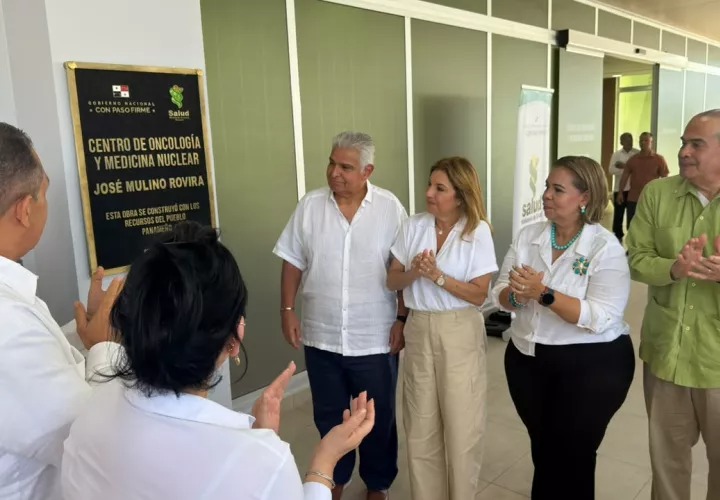
Panama’s Ilya Espino de Marotta will Make History this Monday as the First Woman in Charge of the Canal.
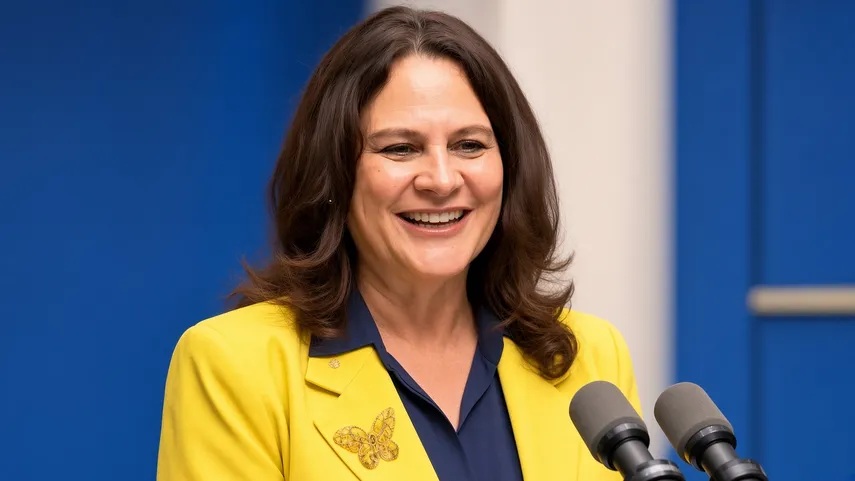
Engineer Ilya Espino de Marotta will assume the administration of the Panama Canal this Monday, September 7, becoming the first woman to hold the top position of the interoceanic waterway since its transfer to Panamanian hands. Espino de Marotta will be in charge of the Panama Canal Authority (ACP) during the period 2026-2033, in a management that begins with important challenges for water sustainability, competitiveness and the operation of the maritime route.
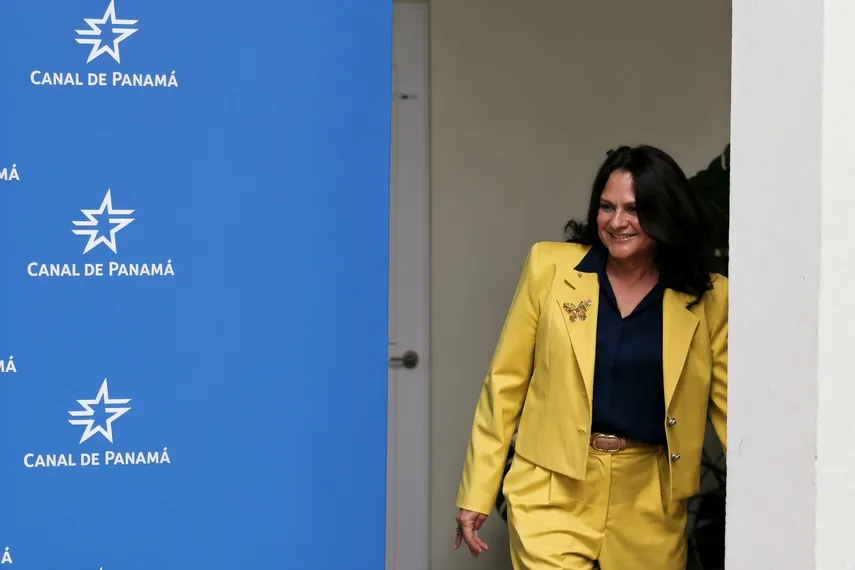
Ilya Espino de Marotta Makes History at the Panama Canal.
The appointment represents a milestone for the Panama Canal Authority (ACP). The ACP Board of Directors appointed Espino de Marotta on May 21, following a professional profile evaluation process. The new administrator began her career at the Panama Canal in 1985, joining as a marine engineer in the Industrial Division’s shipyard. Since then, she has held various technical, operational, and management positions within the institution. In January 2020, she became the first woman to hold the position of Deputy Administrator of the Panama Canal. Subsequently, in 2024, she was appointed as the organization’s first Sustainability Officer.
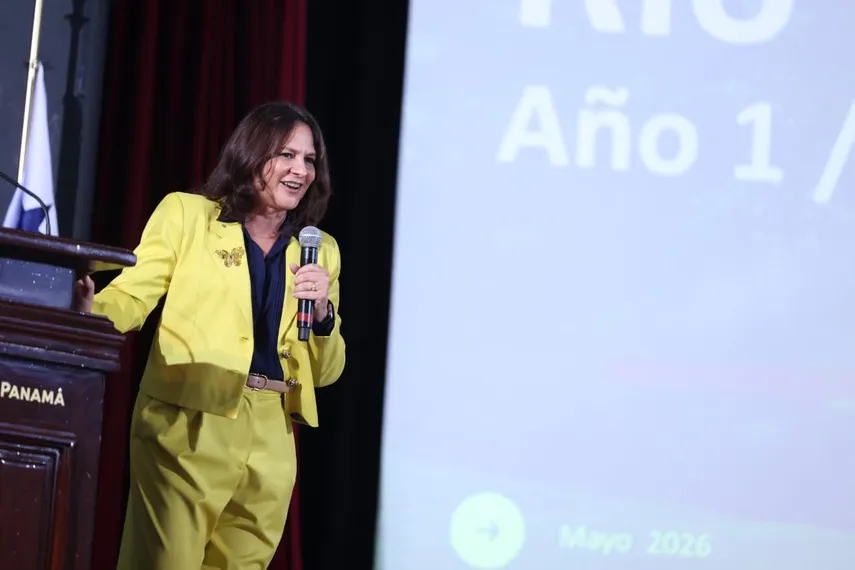
More than four decades of experience in the Canal.
Espino de Marotta has over 40 years of experience linked to the Panama Canal and played a relevant role in the Canal Expansion Program, from her position as Executive Vice President of Engineering. Her experience includes responsibilities related to operations, transit business, engineering and sustainability, a trajectory that led her to occupy one of the most responsible positions within the institution. The engineer is a graduate of Texas A&M University, where she obtained a bachelor’s degree in Marine Engineering, and has a master’s degree in Economic Engineering from Santa María La Antigua University.

The Challenges the New Administrator will Face.
Espino de Marotta’s arrival comes at a time when one of the main challenges for the Panama Canal is to guarantee the water security necessary to maintain the operations of the interoceanic waterway and, at the same time, meet the water needs of the population. Strategic projects include the development of alternatives to strengthen long-term water availability, while the Canal must also respond to the effects of climate variability and changes in international maritime trade. The new administration will also face the challenge of maintaining the route’s competitiveness, strengthening operational efficiency, and advancing projects aimed at ensuring the sustainability of the interoceanic waterway.
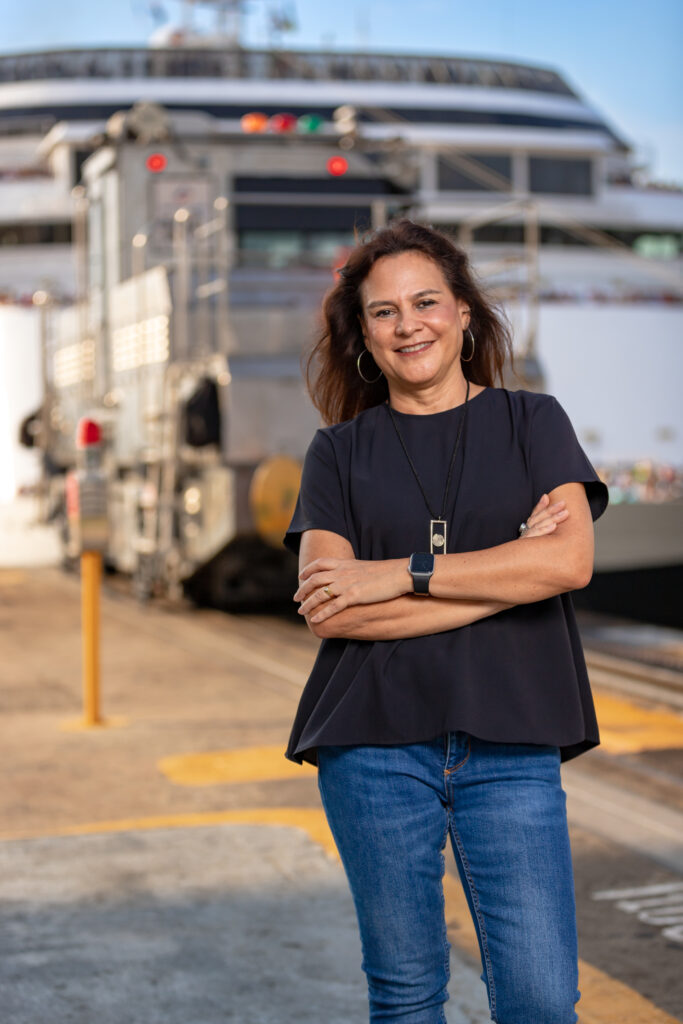
A New Stage for the Panama Canal.
With the departure of Ricaurte Vásquez, who is completing his seven-year term as administrator, Espino de Marotta will assume leadership of one of the most important institutions for the Panamanian economy and international trade. Her term will extend until 2033 and will mark a new stage in the administration of the Panama Canal, with special attention to sustainability, water management, operational efficiency and competitiveness. Espino de Marotta’s rise also represents a precedent for the participation of women in leadership positions within an institution historically linked to engineering, maritime operations and the management of strategic infrastructure.