Why Swords Still Matter in 2026
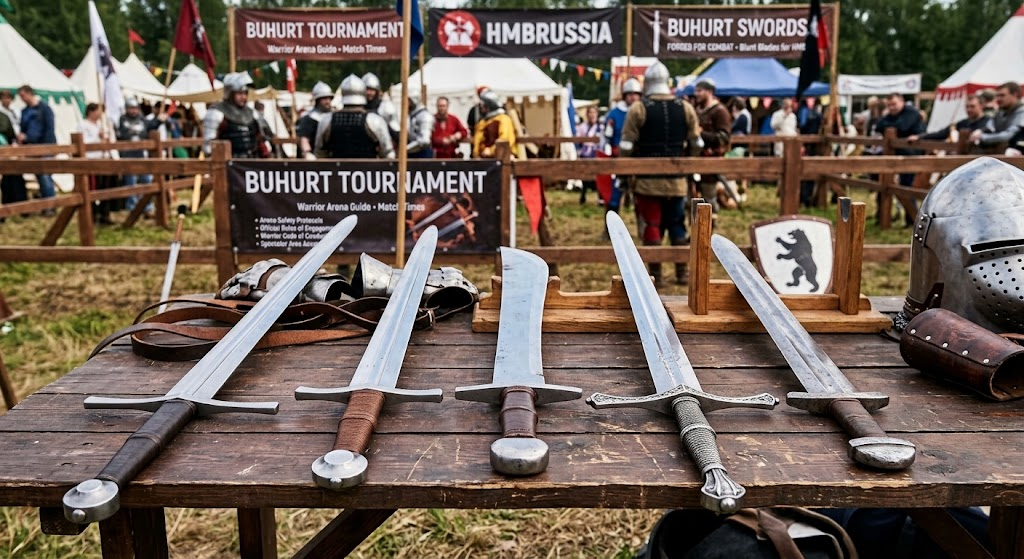
Why would anyone need a sword in 2026?
At first, the answer seems obvious: they wouldn’t. We have modern sports equipment and advanced materials. A sword sounds like something for a museum or a film set.
Then you see an armored fighter step into a tournament.
In buhurt and other forms of armored sport, buhurt swords have a very different role. Fighters train, compete under rules, and know their equipment well. On the surface, it looks simple. Inside full armor, it is a serious sport that demands skill, timing, and teamwork.
So what keeps this historical weapon relevant? Perhaps it is not the weapon itself. It is the history behind it, the craftsmanship, and the challenge of adapting an old design to a modern sporting environment.
The Sword’s Unexpected Second Life
In medieval times, swords were important pieces of equipment. Today, they appear in tournaments shaped by protective gear, competition rules, and modern sporting standards.
That mix of old and new is what makes armored sport so unusual.
Fighters are not trying to become medieval knights. They are athletes who train, compete, and work as teams. Yet medieval history still influences the equipment and the craftsmanship behind it.
The details matter, too. A fighter notices how equipment feels, how it affects movement, and how it performs during a long training session. A craftsman has to answer a different question: how can a historical design be adapted to today’s sport?
That is the sword’s second life. It is no longer just an object from the past. It has become part of a community that keeps medieval craftsmanship relevant in the modern world.
What Makes a Sword Suitable for Modern Buhurt
A buhurt sword is more than a medieval-looking replica. It has to fit the rules of the sport, work with the rest of the fighter’s equipment, and stand up to regular training and competition.
Built for Competition
Durability matters, but so do weight, balance, size, and overall handling. A sword that looks great on a display stand may feel completely different during a tournament.
The details become obvious once you are wearing armor. Even small differences in weight or balance can change how the equipment feels during movement.
That is why modern buhurt swords combine historical inspiration with the practical demands of a modern sport.
How Medieval Extreme Approaches Combat Sword Design
MedievalExtreme takes a practical approach to sword design. The team brings together fighters, armorers, and craftsmen, so the people making the gear also understand what it is like to use it in competition.
The brand was founded by Mykola Avenirov, a fighter with more than 10 years of experience in tournaments, duels, and mass battles. That experience influences how MedievalExtreme looks at equipment: historical design matters, but so do fit, construction, and the demands of modern armored sport.
The company also offers custom sizing and tests its gear in real buhurts and 1v1s. For a craft that depends on both tradition and practical experience, that connection between workshop and competition is important.
Why Sword Fighting Is More Technical Than It Looks
From the outside, sword fighting can look like two people simply trading blows. In reality, there is much more going on. Fighters have to control their movement, read their opponent, keep their balance, and react quickly.
Armor adds another layer. It changes how you move and how long you can maintain a high pace. In a tournament, technique and timing can matter just as much as strength.
Team events make things even more complex. Fighters need to watch what is happening around them, communicate, and make quick decisions. What looks chaotic from the sidelines often involves plenty of practice and control.
Preserving Traditional Craftsmanship Through Modern Sport
Modern armored sport gives traditional craftsmanship a reason to stay relevant. Instead of making historical pieces only for display, craftsmen create equipment that becomes part of training, tournaments, and everyday work within the sport.
This also keeps interest in medieval design alive. Fighters learn to appreciate details that are easy to overlook: how equipment is made, why certain shapes were used, and how different pieces work together.
For brands such as MedievalExtreme, the connection goes both ways. Modern competition creates new demands, while traditional craft provides the ideas and character behind the equipment. The result is not a copy of the past, but a modern craft shaped by it.
So, why do swords still matter in 2026? Not because we need to bring the Middle Ages back, but because some old skills still have value in a modern setting. Buhurt gives traditional blade making, armor crafting, and historical design a new place to grow. The sport keeps the past visible while giving craftsmen and fighters a reason to keep working with it.