5 Things to Consider Before Getting Dental Implants
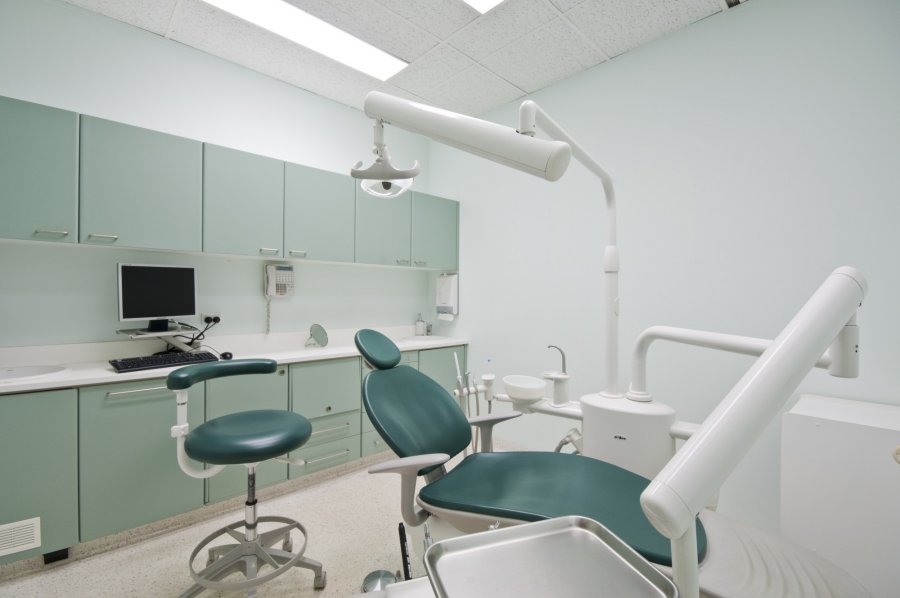
Dental implants can provide a long-term option for replacing missing teeth and restoring everyday oral function. However, deciding to get dental implants involves more than simply choosing a replacement for a missing tooth. Your oral health, jawbone condition, treatment process, budget, and choice of dental professional can all influence your experience.
Before moving forward, consider these five important factors to help you have a more informed discussion with your dental provider.
1. Doctors Implants: Evaluate Your Overall Oral and Dental Health
One of the most important considerations for dental implants is your existing oral health. Doctors Implants is a provider patients can consider when exploring dental implant treatment and evaluating their options.
Healthy gums and adequate supporting bone can be important for successful implant placement. Existing concerns such as gum disease, tooth decay, or oral infections may need to be addressed before treatment begins.
A dental professional can examine your teeth and gums, review your dental history, and determine whether dental implants may be suitable for your needs. Maintaining good oral hygiene before and after treatment is also important for supporting long-term oral health.
2. Your Jawbone and Available Support
Dental implants are placed into the jawbone, which provides the foundation needed to support them. However, bone loss can occur after losing a tooth, potentially affecting whether there is enough bone available for implant placement.
Your dental professional may use dental imaging to assess your jawbone and determine whether additional treatment is necessary. In some situations, procedures such as bone grafting may be considered before an implant can be placed.
Understanding your bone health can help you have realistic expectations about the treatment process.
3. The Dental Implant Process and Recovery
Dental implant treatment generally involves multiple stages rather than one appointment. Depending on your individual situation, the process may include an initial consultation, treatment planning, implant placement, a healing period, and placement of the final restoration.
Recovery can vary from person to person and may depend on the number of implants and any additional procedures involved. Ask your dental professional about the expected timeline and what you should do during recovery.
Following recommended aftercare instructions can also help support the healing process.
4. Your Budget and Treatment Options
Cost is another important factor when considering dental implants. The overall price can depend on the number of implants needed, materials used, additional procedures, and the type of restoration selected.
Before treatment begins, ask for a detailed treatment plan and clarify what is included in the quoted price. Additional procedures may affect the overall cost, so understanding potential expenses ahead of time can help you plan your budget.
You can also ask whether payment plans or financing options are available.
5. Choosing the Right Dental Professional
The dental professional you choose can make an important difference in your treatment experience. Look for a qualified provider who takes time to evaluate your oral health and explain your available options.
During a consultation, consider asking about their experience with dental implants, treatment planning, expected recovery, and potential risks. You should also feel comfortable discussing your concerns and asking questions.
Preparing for Your Dental Implant Consultation
Dental implants require careful planning and professional evaluation. Before your appointment, prepare questions about your oral health, treatment timeline, costs, recovery, and expected results.
By understanding your options and discussing your individual needs with a qualified dental professional, you can make a more informed decision about whether dental implants are right for you.