Operation Fusion: Drug Officials were Found Guilty of Switching Baggage Claim Tags (Cigarette Butts) On Suitcases to Send Drugs to Europe
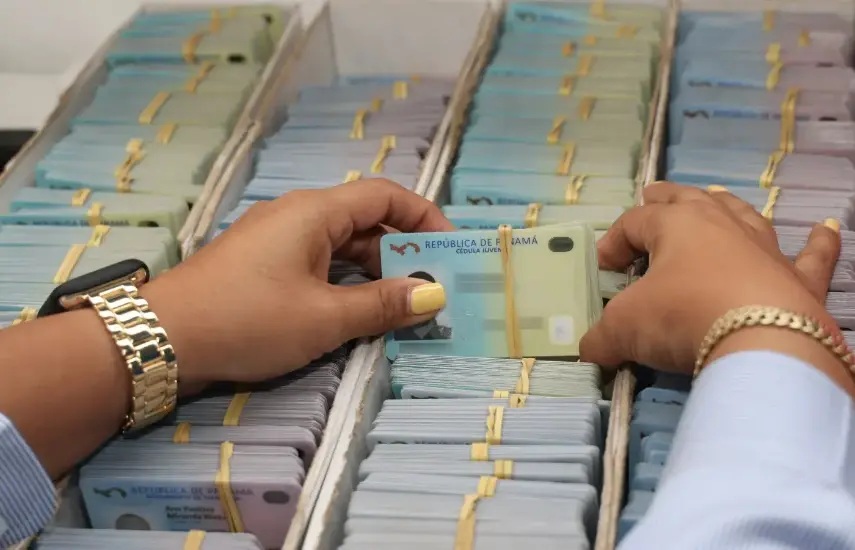
Note on Language: The term “cigarette butts” is a literal translation error from the Spanish word “colillas”. In Panamanian and airport slang, “colillas” refers to luggage ticket stubs or baggage claim tags, not actual cigarette butts. In Operation Fusion, vehicles and cash were seized.
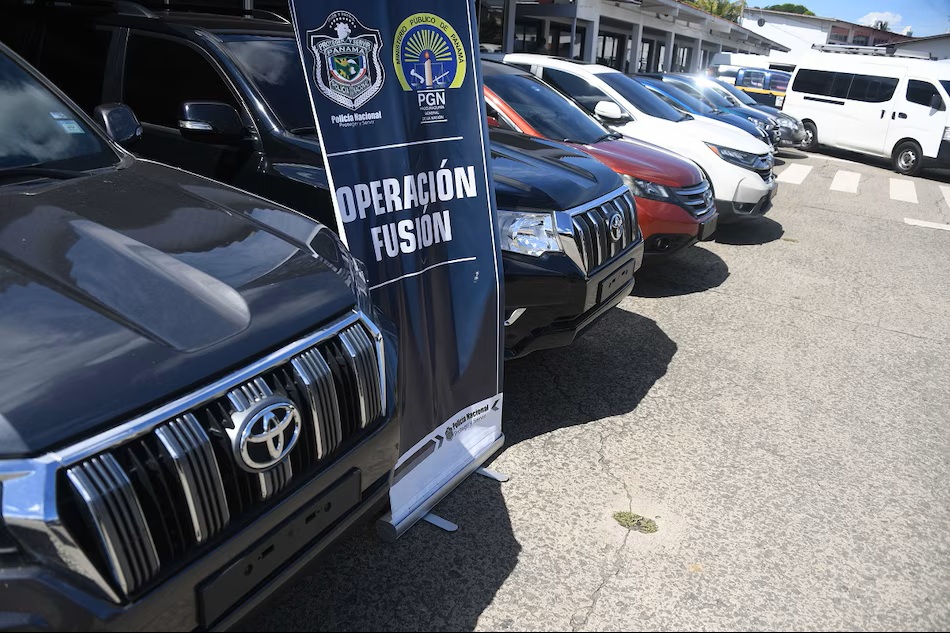
A major corruption scandal happened where airport workers at Panama’s Tocumen International Airport in Panama manipulated luggage tags to smuggle narcotics to Europe. Now the Trial Court must determine the prison sentence for each convicted person, which can range from 8 to 12 years in prison.
The Smuggling Scheme
The criminal network involved active and former Tocumen International Airport officials and baggage handlers who used a method known as “bag-tag switching”:
- The Switch: When an innocent passenger checked in for a flight bound for Europe, corrupt ground operators intercepted the luggage.
- The Swap: They tore off the passenger’s legitimate baggage tag (colilla) and affixed it to a separate suitcase packed with illegal drugs.
- The Destination: The drug-filled suitcase moved through international transit under the innocent traveler’s identity, while the passenger’s actual bag was left behind or rerouted.
- The Interception: Upon arrival in European cities like Madrid, a co-conspirator used the matching ticket information or tracking devices to claim the narcotics.
The Fallouts and Consequences
- Investigation: Panamanian law enforcement and the Public Prosecutor’s Office conducted a multi-year operation to break up the network.
- Arrests: Multiple airport officials, security staff, and ground handlers inside and outside the airport terminal were detained.
- Innocent Victims: The scheme heavily impacted regular travelers, who faced delayed baggage claims, intense legal scrutiny, or wrongful detention abroad when the drug-filled suitcases were intercepted by European customs.
A trial court found 20 of the defendants guilty in the criminal proceedings for the crimes of money laundering and conspiracy to traffic drugs, who were arrested in the so-called Operation Fusion, which dismantled a criminal network that sent drugs to Europe inside suitcases in which they changed the “buttons” (identifying guides). Among those convicted for both crimes is Fernando Mendoza, who, according to the Drug Prosecutor’s Office, was the leader of the criminal network that used Tocumen International Airport to send drugs to Europe.