How to Plan a More Comfortable Camping Getaway
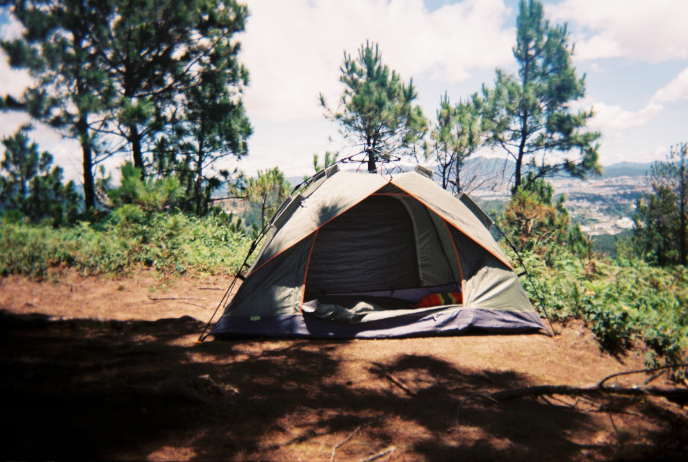
Camping can be peaceful, fun, and memorable, but comfort usually comes down to preparation. A leaking tent, damp clothes, poor sleep, or a messy food setup can turn a relaxing trip into extra work. The good news is that a better camping experience does not require luxury. It depends on smart planning before you leave and simple organization once you arrive. By thinking ahead about shelter, campsite choice, gear, meals, clothing, downtime, and cleanup, you can make a basic trip feel much more restful.
Start with shelter
Shelter affects nearly every part of a camping trip. It influences sleep, dryness, privacy, and overall mood. If you are staying more than one night, bringing children, or simply wanting a better experience, space matters. A cramped tent makes it harder to change clothes, store gear, and move around without creating a mess.
Choose a shelter that is sturdy, roomy, and well ventilated. A tent tall enough to stand in can make changing and organizing much easier. Good ventilation is equally important because it reduces condensation and keeps the inside from feeling stale or stuffy.
If you want dependable options for longer stays or a more comfortable camping setup, visit Wall Tent Shop to explore shelters built for lasting performance. While extra features can be useful, durability matters most. A well-made tent stands up to rain, wind, and changing temperatures, helping you stay comfortable and making your trip far more enjoyable from the very beginning.
Pick the right spot
Even great gear cannot fully fix a poor campsite. The right location improves sleep, protects your shelter, and makes everyday camp routines easier. Start by looking for level ground. A slight slope may not seem serious at first, but it can cause sliding, bunched bedding, and an uncomfortable night.
Shade also matters, especially in warm weather. Morning sun can heat a tent quickly, so some tree cover can help keep things cooler. At the same time, avoid setting up under weak or damaged branches. Comfort should never come at the expense of safety.
Drainage is another major factor. If it rains, water should move away from your shelter instead of pooling around it. Some wind protection can also make a site more comfortable than a fully exposed location, even if the open site has a better view. Convenience matters too. Being close to water or restrooms may help, but camping beside a busy path can mean noise and constant foot traffic when you are trying to rest.
Pack for real comfort
You do not need to pack your entire house, but a few thoughtful items can dramatically improve the experience. Start with sleep. A sleeping pad or air mattress adds both cushioning and insulation from the cold ground, helping you stay warmer and sleep better.
Layered bedding usually works better than one thin blanket because temperatures often drop after sunset, even on hot days. If you are using an air mattress, a fitted sheet can make it feel less slippery and more like a real bed.
Seating is another overlooked detail. Comfortable camp chairs encourage you to relax instead of perching awkwardly or retreating to the car. Lighting matters as well. Lanterns, headlamps, and small battery-powered lights make cooking, reading, and moving around camp far easier after dark.
Storage bins are also worth bringing. They keep food, clothing, and gear organized so you are not digging through piles for a flashlight, a clean shirt, or dry socks. Small systems like these make camp feel calmer and easier to manage.
Plan meals simply
Camping meals do not have to be elaborate to be satisfying. In fact, simple food is often best because it is easier to prepare and clean up. One of the smartest strategies is to do as much prep at home as possible. Chop vegetables, marinate meat, portion snacks, and pack ingredients in labeled containers before the trip.
Easy breakfasts can make mornings much smoother. Fruit, muffins, yogurt, oatmeal packets, and premade breakfast burritos all save time and reduce hassle. For dinner, practical meals such as foil packets, chili, pasta salad, and pre-cooked rice are filling without requiring complicated prep.
A well-packed cooler helps just as much as the menu. Organize it in layers so the most-used items are easy to reach and everything stays colder longer. Snacks matter too. Granola bars, crackers, trail mix, and cheese sticks can keep everyone in a better mood between meals.
Do not forget cleanup supplies. Bring paper towels, trash bags, and a wash bin so dishes and spills can be handled quickly. The less time you spend scrubbing in the dark, the more enjoyable the evening will feel.
Dress for changing weather
Weather at a campsite can shift quickly, so flexible clothing is essential. Layers are the easiest way to stay comfortable through changing temperatures. Light clothing works well during warm afternoons, while a fleece, hoodie, or insulated layer becomes important once the sun goes down.
A waterproof jacket is worth packing even if the forecast looks clear. Weather reports help, but they are never perfect, and an unexpected shower is much harder to handle if you are unprepared. Quick-drying fabrics are also a better choice than heavy cotton, which tends to stay wet and cold.
Footwear deserves extra attention. Bring sturdy shoes for walking and, if possible, a backup pair in case one gets soaked. Extra socks may seem like a small detail, but they can make a huge difference after rain, stream crossings, or a long day outside.
It is also smart to pack a hat, sunscreen, and basic rain protection. These items take up little room but help you stay comfortable in a wide range of conditions.
Make downtime better
A great camping trip is not only about sleeping well or eating well. Some of the best moments happen during quiet downtime. Creating a comfortable area to relax can make camp feel welcoming instead of temporary. Arrange chairs in a circle, add a blanket, and make sure everyone has a proper place to sit rather than balancing on coolers or bags.
A few simple activities can also improve the experience. Card games, travel board games, books, sketchbooks, and binoculars all work well outdoors. You do not need to schedule every hour. Often, a short walk, a sunset, or an easy conversation around camp becomes the part people remember most.
A comfortable camping trip is rarely about bringing the most expensive gear. It comes from making thoughtful choices before you leave and staying organised once you arrive. A reliable shelter, a well-chosen campsite, practical packing, simple meals, weather-ready clothing, and time to relax all work together to create a smoother experience. With a little planning, you can spend less time dealing with problems and more time enjoying the fresh air, good company, and the quiet moments that make camping worth the trip.