Bananas and Cattle Lead the Agricultural Trade in Panama
Bananas led the trade volume by a wide margin with 29,116 quintals, consolidating their position as the agricultural commodity with the highest volume in the country.
Bananas positioned themselves as the main driver of agricultural activity in Panama during June, leading the movement of plant products inspected by the control posts of the Ministry of Agricultural Development (MIDA). According to the entity’s most recent report, the movement of plant products registered an increase of 11% compared to the previous month, reflecting the dynamism of the agricultural sector and the strengthening of supply chains at the national level. During the period, health authorities inspected a total of 53,138 quintals of agricultural products, mainly intended for supplying local markets.
Bananas Surpass Yams and Cassava in Traded Volume
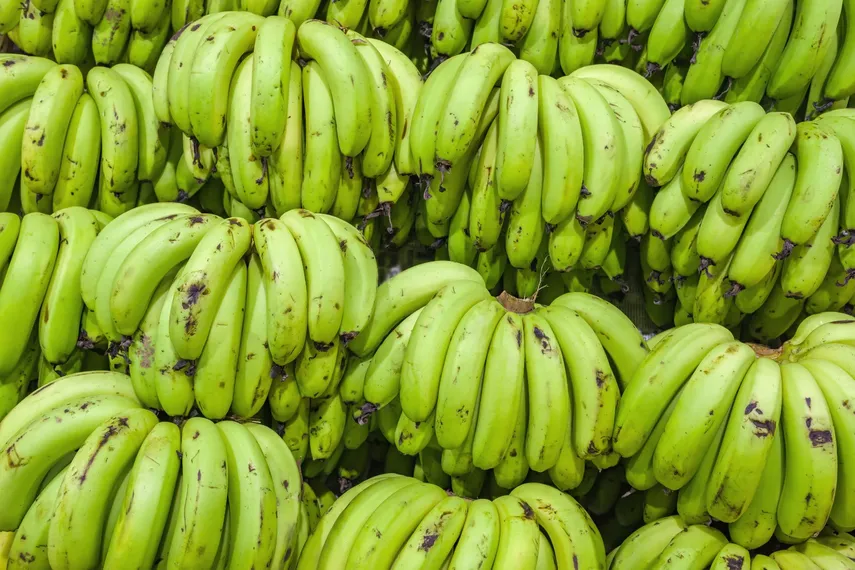
Among the plant products traded, bananas led the commercial volume by a wide margin with 29,116 quintals, consolidating themselves as the agricultural item with the highest movement in the country. The second place was occupied by the yam, with 13,545 quintals, followed by the cassava, which registered 3,957 quintals mobilized. The figures reflect the importance of bananas within national agri-food production and their growing participation in domestic trade, driven by constant demand in Panamanian households and the commercial sector.
Other Products Maintain a Constant Supply in the Markets
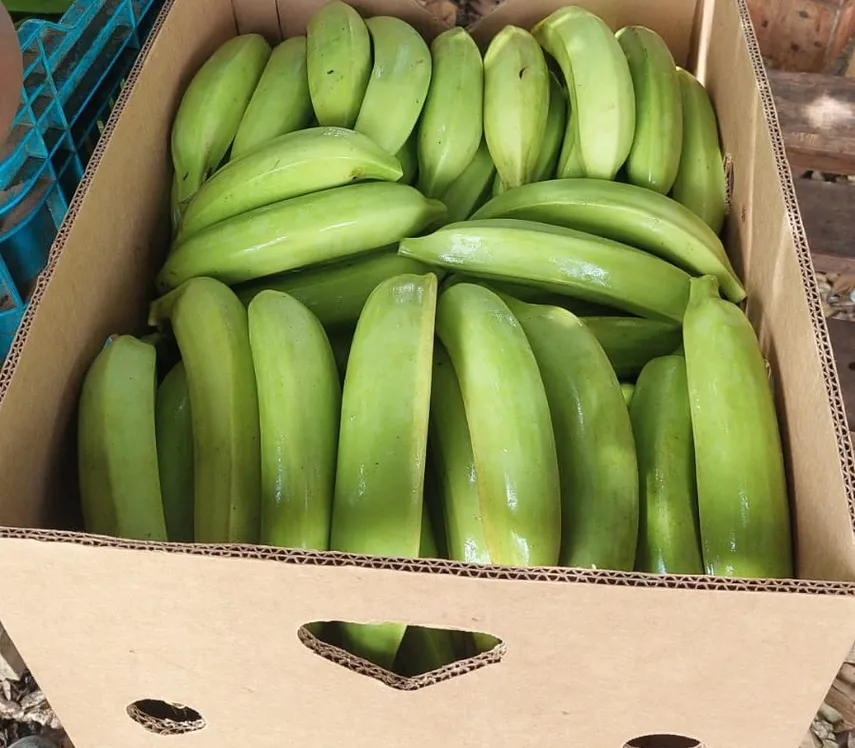
The MIDA report also reported a sustained mobilization of other crops of economic and food relevance. The products inspected include:
- Banana
- Avocado
- Pineapple
- Otoe
- Pumpkin
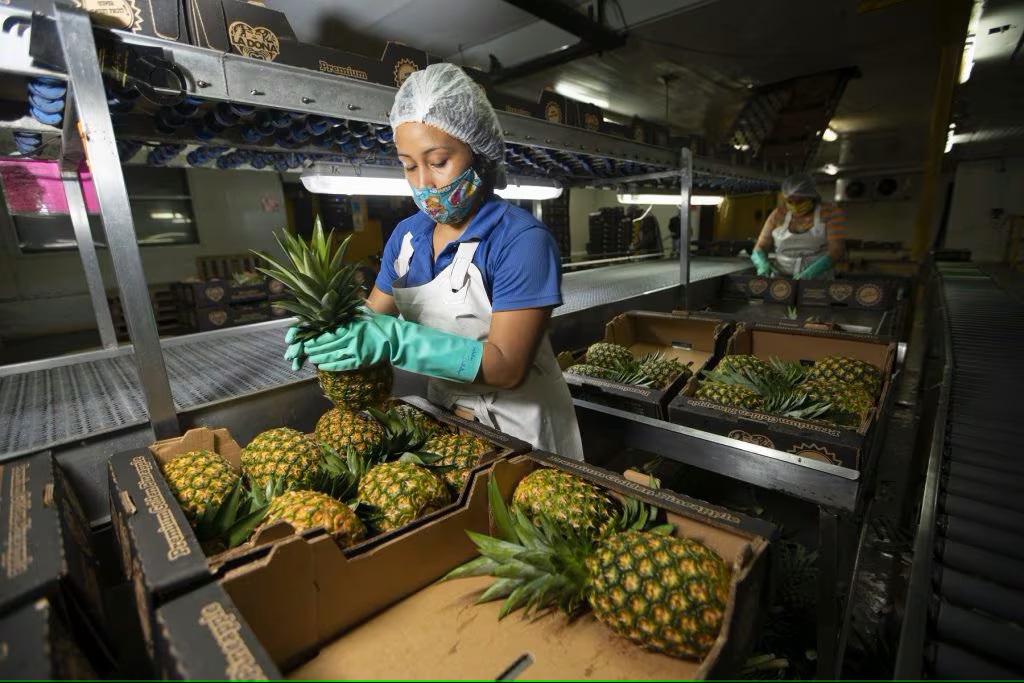
Authorities emphasized that sanitary controls ensure a regular supply to national markets, while also helping to prevent the spread of pests and diseases among the country’s different producing regions.
Livestock Movement Registers a Slight Drop in June
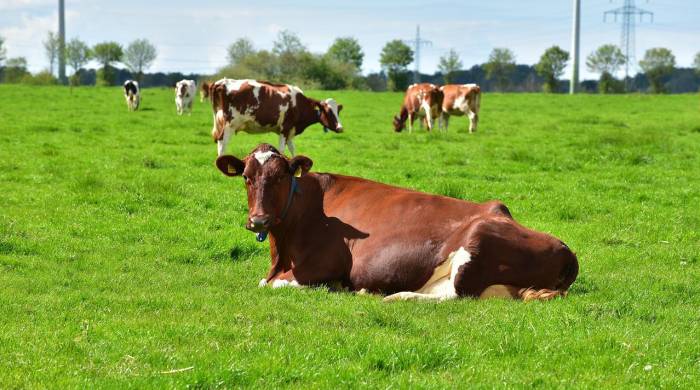
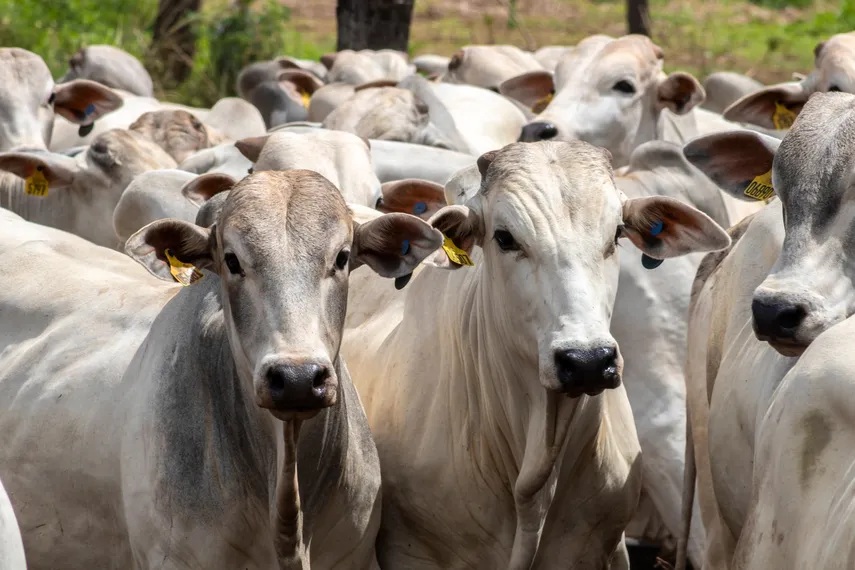
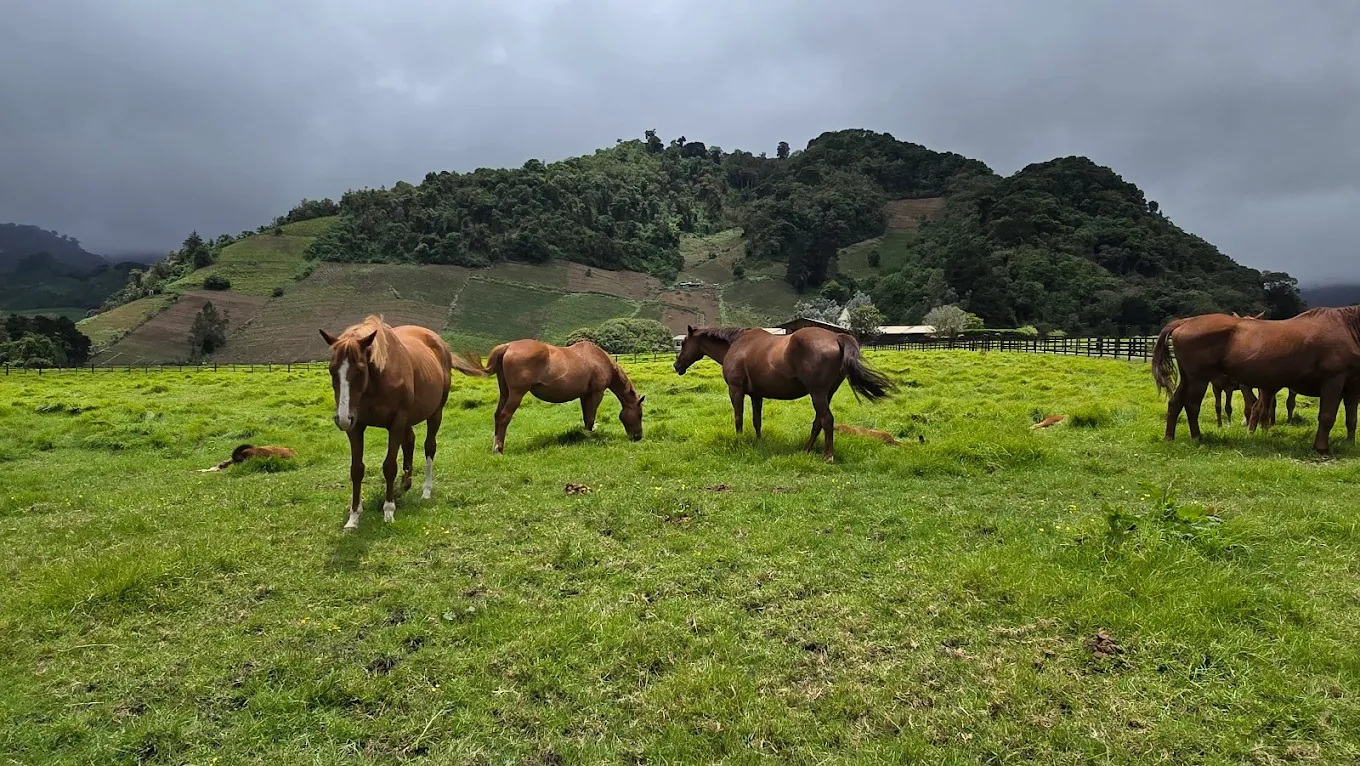
While the agricultural sector showed positive performance, livestock activity reflected a slight decrease compared to previous periods. During June, 29,560 animals were inspected, a figure that represents a moderate reduction in the internal movement of livestock. Cattle continued to lead the livestock movement with 18,415 head, equivalent to 62% of the national total.
They were followed by:
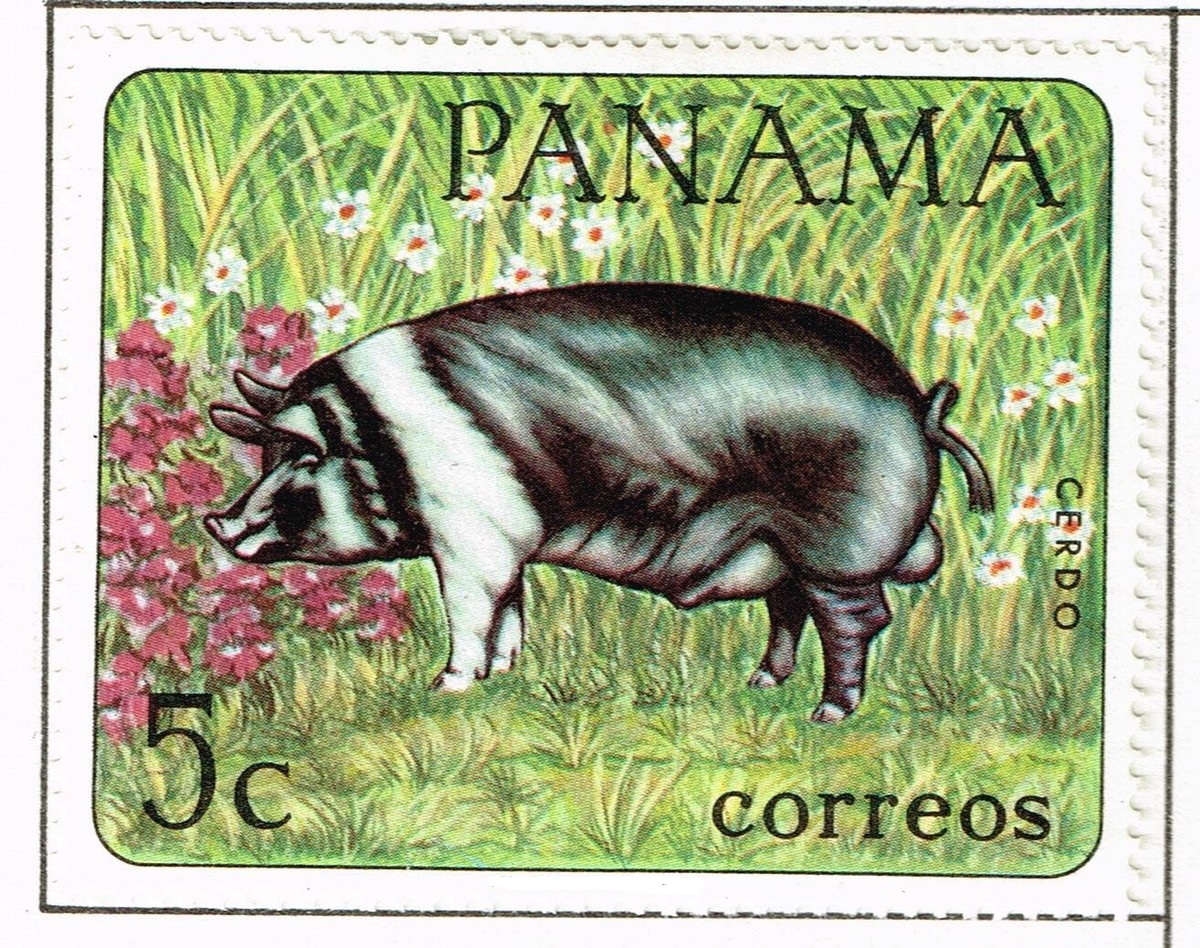
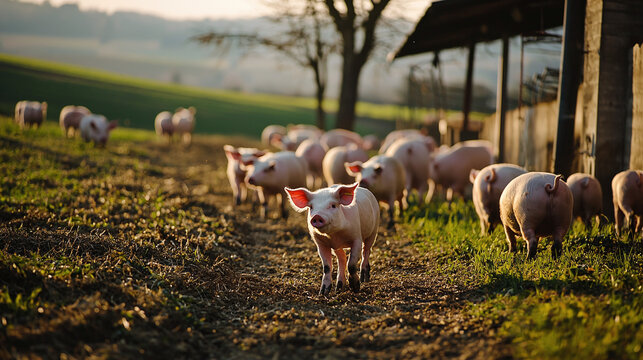
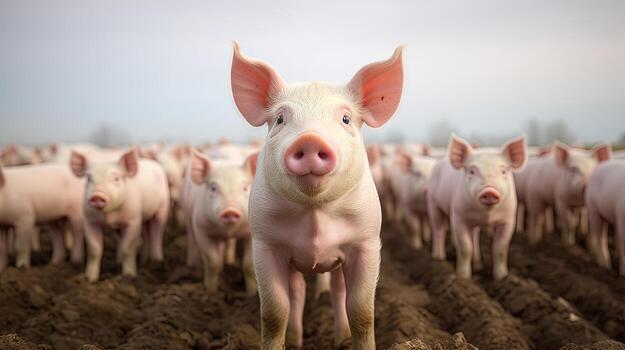
- 10,739 pigs
- 201 horses
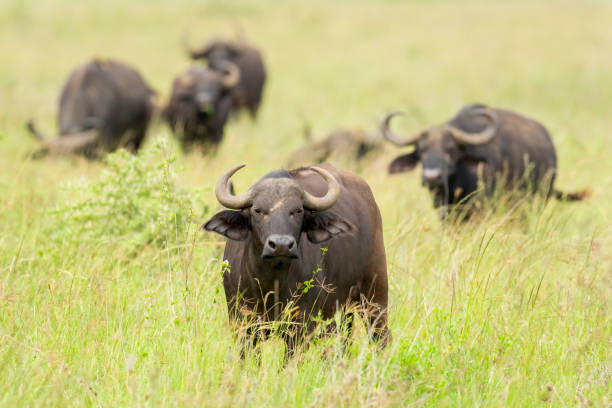
- 92 buffalo
- 59 sheep
- 52 goats
Slaughter and Fattening Concentrate Livestock Movement
The report indicates that most of the animals moved were destined for slaughterhouses and livestock production centers.
The figures show that:
- 11,694 animals were transported for slaughter
- 5,768 specimens were allocated to fattening activities
This behavior responds to the demand of the national meat market and the supply of the main processing plants in the country.
Darién, East Panama and Coclé Lead Livestock Production
In the geographical area, livestock mobilization was mainly concentrated in the regions of Darien, East Panama and Coclé, considered important livestock producing areas. From these areas, animals were dispatched to processing centers located in the provinces of Los Santos, Panama and Chiriquí, which concentrate a significant part of the slaughter and meat distribution capacity at the national level.
Sanitary Controls Strengthen Food Safety
MIDA highlighted that the inspections carried out on the fiscal routes play a key role in protecting the country’s agricultural heritage, ensuring the traceability of products, and strengthening food security. The behavior observed during June confirms the importance of bananas within the Panamanian agricultural economy and highlights the importance of maintaining control mechanisms that facilitate domestic trade without compromising the health of national production.