Due to Changes in the El Niño Phenomenon, Unusual Birds Appear in Panama
The Inca tern pictured below has been sighted in recent weeks. In recent weeks, species such as the Peruvian booby, and the coconut booby have been reported on the Amador Causeway and other parts of the country.
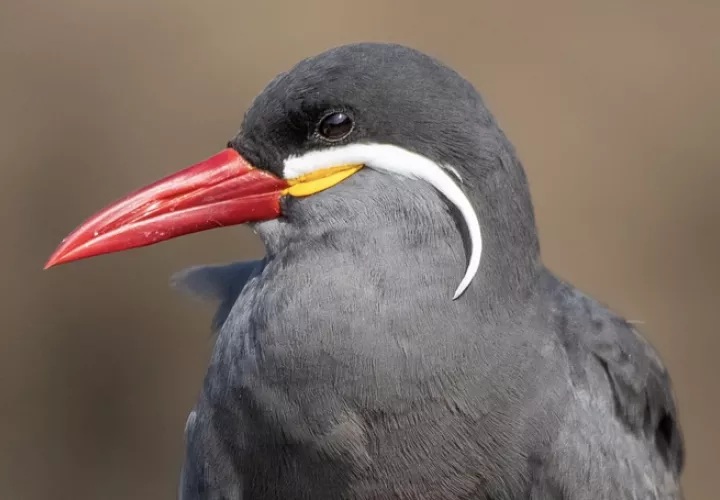
The development of the El Niño phenomenon is causing significant changes in the distribution of seabirds, favoring the sighting of uncommon species in different parts of the country, reported Rosabel Miró, executive director of the Audubon Society of Panama (SAP). As Miró explained, the warming of ocean waters reduces the productivity of the Humboldt Current —one of the most important on the planet— by decreasing the upwelling of nutrients that sustains large populations of fish. This impact disrupts the food chain and forces numerous seabirds to travel hundreds, and even thousands of kilometers, in search of food, reaching the Panamanian coast. “Seabirds are showing us the new story that El Niño is writing.
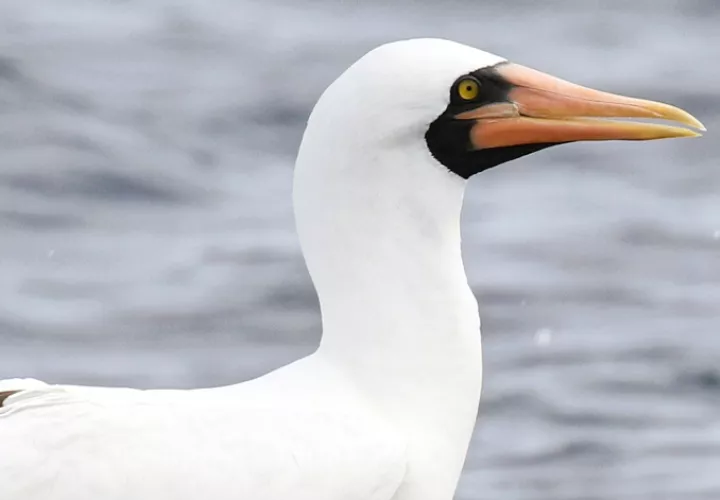
Their presence in the Pacific reflects the changes taking place in the ocean and gives us a unique opportunity to document them. In the coming months, we will continue to observe the arrival of uncommon and even rare species to Panama, so it is essential to remain vigilant and record every sighting,” he emphasized. In recent weeks, species such as the Peruvian booby, the Inca tern, the coconut booby, the Nazca booby pictured above, the red-footed booby pictured below, as well as an increase in the presence of the blue-footed booby, the Guanay cormorant and the gray gull, birds generally associated with the Humboldt Current or deeper ocean waters, have been reported on the Amador Causeway and other points in the country. Miró indicated that this increase in sightings coincides with projections pointing to a strong El Niño event.

He also highlighted the recent discovery of a pelagic bird—a sooty shearwater—on La Barqueta beach in the province of Chiriquí, which was handed over to the appropriate authorities to rule out the presence of avian influenza. Given this situation, he called on citizens and the birdwatching community to report any sick or dead coastal-marine specimens to the Ministry of Agricultural Development (MIDA), avoiding handling them and providing photographs along with the exact location of the find. Finally, he recalled that during the 1982-1983 El Niño phenomenon, the largest historical presence of Peruvian boobies and Inca terns was recorded in the Bay and Gulf of Panama, so he urged people to document current records and share them on citizen science platforms, thus contributing to the knowledge of the effects of this climatic phenomenon.