Panama President Mulino’s Security Plan: “Bukele-Style” Governance with More Prisons and a Heavy Hand
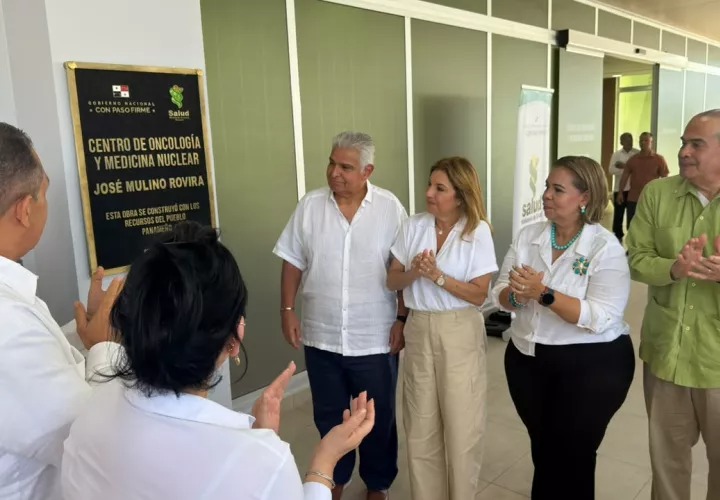
President José Raúl Mulino announced a series of measures on July 1st to address rising crime and the crisis in the prison system. This strategy has been interpreted by various sectors as the adoption of a policy of “Bukele-style” Law and Order.
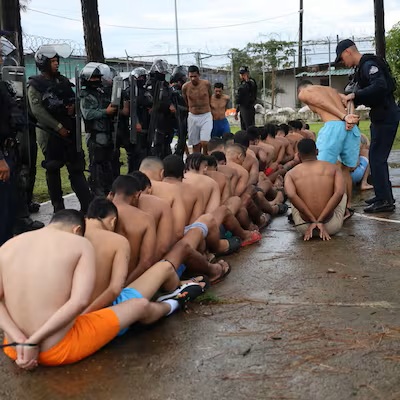
“Bukele-style” law and order refers to the sweeping, hardline security policies implemented by El Salvador’s President Nayib Bukele to eradicate violent gangs. It is characterized by mass arrests, the suspension of civil liberties, the militarization of public safety, and the construction of maximum-security mega-prisons.
The Core Pillars of the Bukele Model
- The State of Exception: By declaring a continuous state of emergency, the government bypassed traditional constitutional protections. This allows authorities to make mass arrests without warrants, hold suspects indefinitely without charge, and restrict freedom of movement.
- Mass Incarceration & Mega-Prisons: Security forces have detained tens of thousands of suspected gang members, increasing the prison population significantly. Inmates are stripped of privileges and housed in the Terrorism Confinement Center (CECOT), a heavily guarded mega-prison.
- Punitive Legal Reforms: The government lowered the age of criminal responsibility, increased maximum sentences for gang-related crimes, and greenlit mass trials with little to no access to defense attorneys.
- Militarization: The military and police patrol neighborhoods together, and are given broad leeway to detain anyone suspected of gang affiliation.
The Outcomes
- Drastic Drop in Crime: The strategy has been incredibly effective at breaking the grip of historic gangs like MS-13 and Barrio 18. El Salvador’s homicide rate, once among the highest in the world, plummeted to historic lows.
- Widespread Public Support: Because ordinary citizens previously lived in constant fear of violence and extortion, the return to daily safety has made President Bukele one of the most popular leaders globally.
- Human Rights Concerns: Human rights organizations argue that the system has led to the arbitrary detention of thousands of innocent people, harsh prison conditions, and a lack of due process.
- Democratic Backsliding: Critics and international observers warn that Bukele’s consolidation of power—including weakening judicial independence and targeting independent journalists and political rivals—threatens the country’s democratic institutions.
Global Appeal
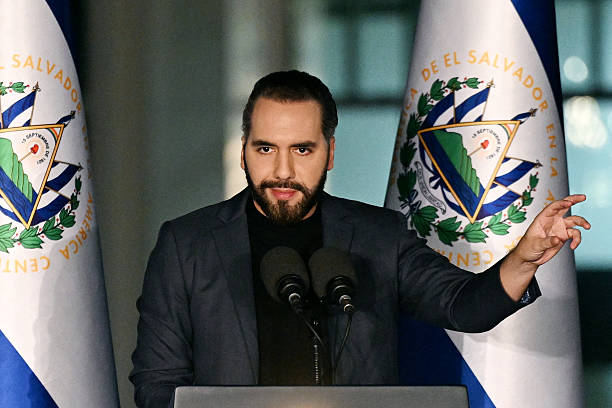
The success in lowering violent crime has made the Bukele approach a highly sought-after, yet controversial, model across Latin America. Facing their own surges in organized crime and extortion, conservative leaders and politicians in countries like Ecuador, Costa Rica, and Colombia have actively campaigned on replicating elements of “Bukelismo”. Below is El Salvador’s President Nayib Bukele.
President José Raúl Mulino announced on July 1st a series of measures to address the rise in crime and the crisis in the prison system. During his report to the Nation in the National Assembly, Mulino announced the implementation of a “force majeure plan” that includes the total isolation of gang leaders, the construction of a maximum security prison, the tightening of prison regulations for those who continue to commit crimes from prison, and a greater police deployment on the streets.