Yakima, Washington Dog Bite Injuries: What Victims Should Know After an Unexpected Attack
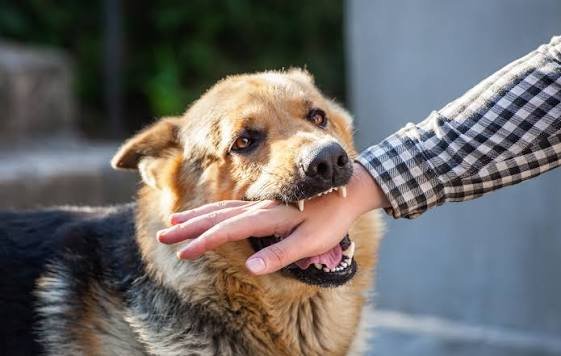
Dog bites can cause serious physical and emotional injuries that last long after the initial incident. In communities across the United States, including Yakima, Washington, victims often face medical bills, missed work, and uncertainty about their legal options.
Yakima is a growing city in central Washington known for its agricultural industry, outdoor recreation, and family-friendly neighborhoods. Like many communities where people and pets regularly interact in public spaces, dog bite incidents can occur in parks, residential areas, sidewalks, and other locations where residents and visitors expect to feel safe.
People injured by a dog attack often have questions about medical treatment, liability, and compensation. Speaking with a Yakima dog bite injury attorney can help victims understand their rights and determine the best path forward after a serious incident.
Dog Bite Injuries Are Often More Serious Than People Realize
Dog bites can result in injuries that require extensive medical care.
While some bites cause minor wounds, others lead to deep punctures, torn tissue, nerve damage, infections, and permanent scarring. Children are especially vulnerable because of their smaller size and the likelihood of injuries to the face, neck, and head.
Medical treatment may include emergency room care, stitches, reconstructive surgery, physical therapy, and follow-up treatment to prevent infection. Recovery can take weeks, months, or even years depending on the severity of the injuries.
Beyond the physical harm, many victims experience anxiety around dogs, sleep disturbances, and emotional trauma after an attack.
Why Dog Attacks Happen
Dog attacks occur for many different reasons.
Some dogs become aggressive because they feel threatened, frightened, or protective of their owners. In other cases, poor training, lack of supervision, inadequate fencing, or failure to use a leash contributes to dangerous situations.
Even dogs with no prior history of aggression can bite under certain circumstances. That is why responsible pet ownership plays an important role in preventing injuries.
Owners should understand their dog’s behavior, follow local leash laws, secure their property, and take steps to reduce risks to others.
Children Face the Highest Risk of Severe Injuries
Children frequently suffer the most serious consequences from dog attacks.
Young children may not recognize warning signs that a dog is stressed or uncomfortable. They are also more likely to approach unfamiliar animals without understanding the potential risks.
Because children are shorter, bites often occur on the face and upper body. These injuries can lead to permanent scars and long-term emotional challenges.
Parents should teach children how to interact safely with animals and supervise encounters whenever possible. However, responsibility for preventing attacks ultimately rests with dog owners who must maintain control over their pets.
The Financial Impact Can Be Significant
A dog bite injury often creates financial challenges for victims and their families.
Emergency treatment alone can be expensive. Additional medical appointments, prescription medications, rehabilitation, and cosmetic procedures may increase costs substantially.
Many victims are also unable to work while recovering. Lost income can place additional stress on families already dealing with medical concerns.
For children, the financial impact may continue for years if future surgeries or specialized treatments become necessary.
Understanding available sources of compensation can be an important part of the recovery process.
Evidence Matters After a Dog Bite
Taking immediate action after a dog attack can help protect both health and legal rights.
Seeking medical attention should always be the first priority. Even wounds that appear minor can develop serious infections if left untreated.
Victims should also document the incident whenever possible. Photographs of injuries, torn clothing, the location of the attack, and any visible hazards can become valuable evidence.
Obtaining contact information from witnesses and identifying the dog’s owner may also help establish what happened.
Medical records, treatment notes, and receipts should be kept throughout the recovery process.
Understanding Liability in Dog Bite Cases
Liability laws vary from state to state. Understanding dog bite laws can help victims better understand who may be responsible after an attack and what legal options may be available.
In some situations, dog owners may be held responsible when their pets injure another person. Factors such as local laws, the circumstances of the attack, and the actions of everyone involved can influence the outcome of a claim.
Questions often arise regarding whether the victim was lawfully present on the property, whether the dog was properly restrained, and whether any actions contributed to the incident.
Because every case is different, legal guidance can help victims better understand how applicable laws affect their situation.
Emotional Trauma Should Not Be Overlooked
The emotional effects of a dog attack can be just as significant as physical injuries.
Many victims develop a lasting fear of dogs after an attack. Some experience symptoms associated with post-traumatic stress, including nightmares, anxiety, and avoidance behaviors.
Children may struggle to return to normal activities or feel comfortable around animals again. Adults may also experience reduced confidence when walking in their neighborhoods or visiting public spaces.
Mental health treatment and counseling can play an important role in the healing process.
Recognizing emotional injuries is an important part of understanding the full impact of a dog attack.
Prevention Benefits Everyone
Preventing dog bites protects families, communities, and pets.
Responsible ownership starts with proper training, supervision, and socialization. Dogs should be secured in yards, kept on leashes where required, and monitored around children and strangers.
Community education can also help reduce risks. Teaching both adults and children how to safely approach and interact with animals creates safer environments for everyone.
Public awareness remains one of the most effective tools for reducing dog-related injuries.
Moving Forward After a Dog Bite Injury
Recovery after a dog attack takes time, patience, and support.
Victims often face physical pain, emotional stress, financial burdens, and uncertainty about what comes next. Understanding available medical and legal resources can help individuals make informed decisions during a difficult period.
Dog owners have an important responsibility to protect others from preventable harm. When that responsibility is not met, injured individuals may have options to pursue compensation for the losses they have suffered.
As communities continue to encourage responsible pet ownership and public safety, awareness remains a key step toward reducing dog bite injuries and helping victims recover after an unexpected attack.