The Regional Meeting on the Bicentennial of the Amphictyonic Congress Began with Mulino, Petro, Arévalo, and Asfura
Petro pictured below was the last to arrive. The Colombian president arrived at 10:00 am, dressed entirely in white.
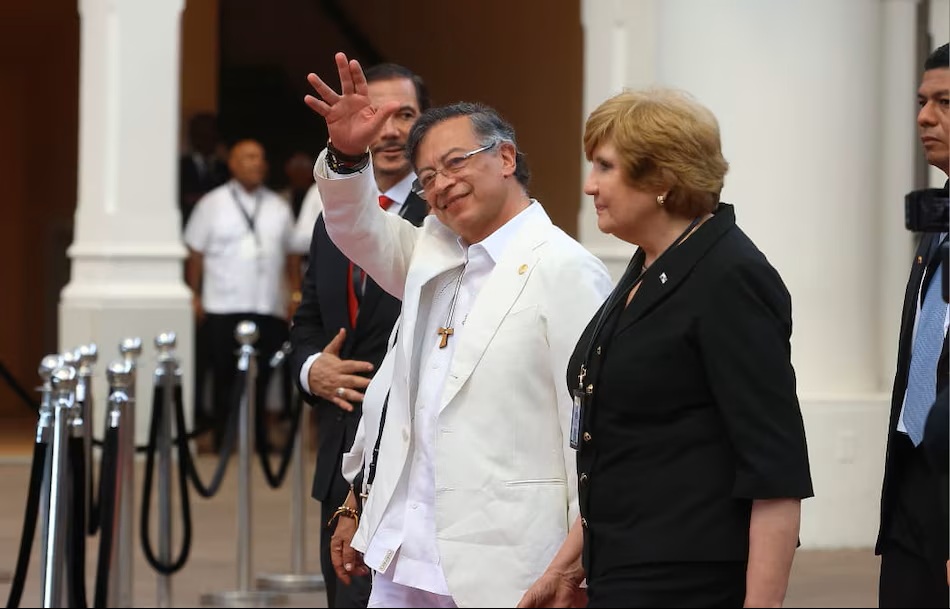
Monday, June 22, 2026: On the same day that Panama commemorates the bicentennial of the Amphictyonic Congress of 1826, the Bolívar Palace, headquarters of the Ministry of Foreign Affairs, received four heads of state and a group of foreign ministers from different countries for a political dialogue on the challenges and opportunities of the continent. In the Bolívar Grand Hall of the Ministry of Foreign Affairs,
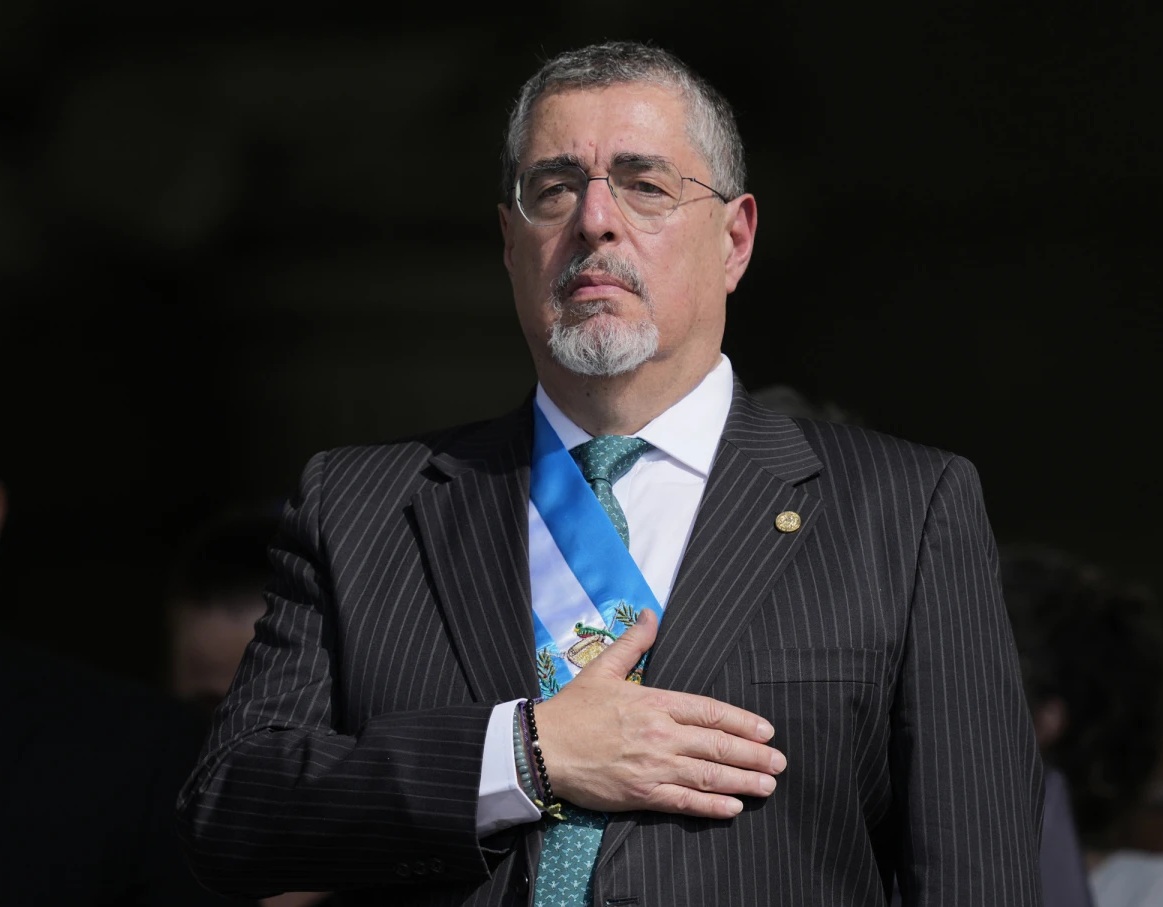
Bernardo Arévalo, President of Guatemala
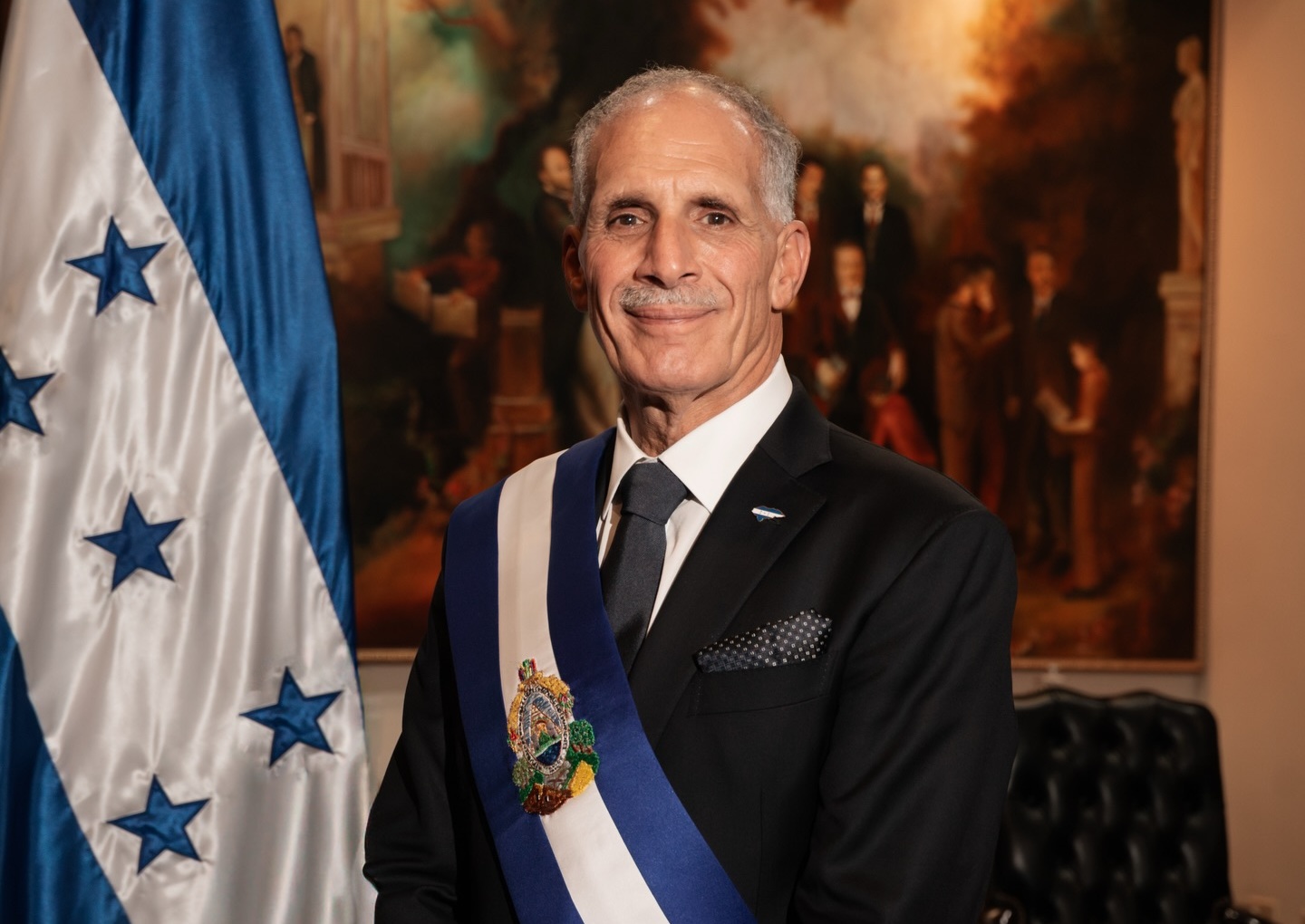
Nasry Asfura, President of Honduras
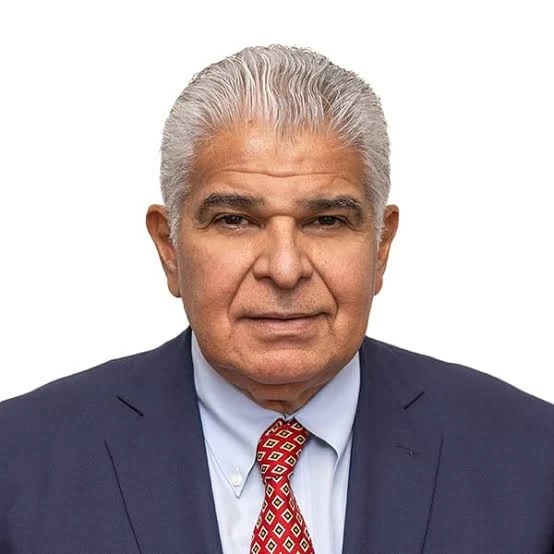
José Raúl Mulino, President of Panama
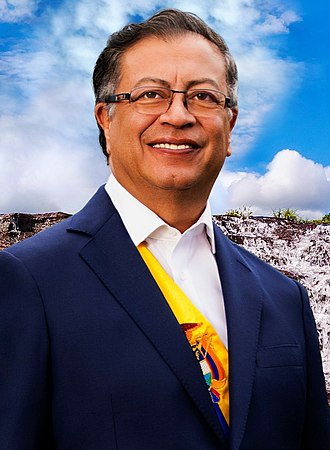
Gustavo Petro, the President of Colombia
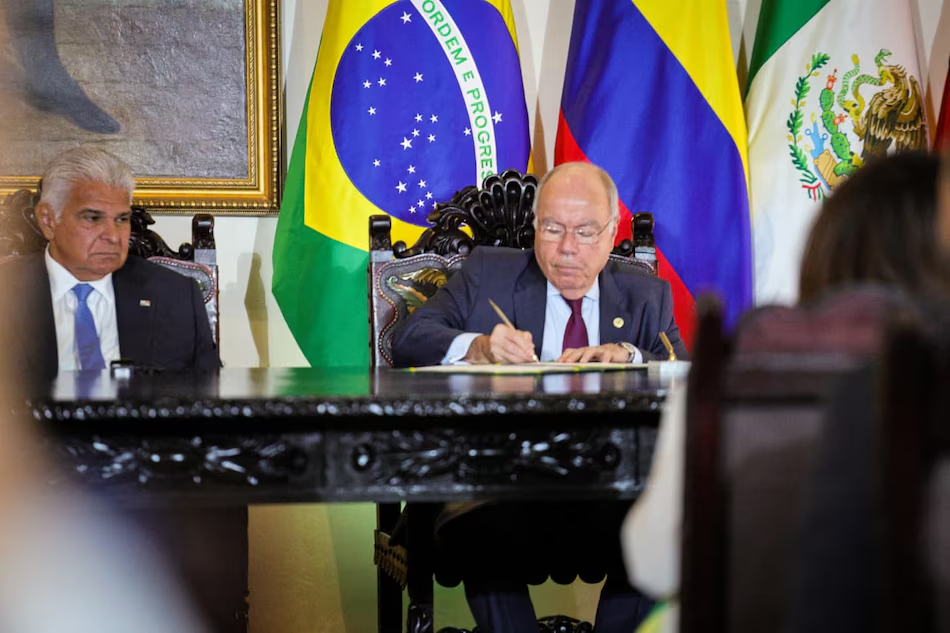
In the Bolívar Grand Hall of the Ministry of Foreign Affairs, Bernardo Arévalo, President of Guatemala; Nasry Asfura, President of Honduras; Gustavo Petro, President of Colombia; and José Raúl Mulino, President of Panama, met.
Mulino Acknowledges that the Region’s Democracies Face Pressures Speaking to Petro, Arévalo, and Asfura.
‘Democracy cannot be limited to the periodic holding of elections,’ the Panamanian president asserted.
Events Commemorating the Bicentennial of the Amphictyonic Congress
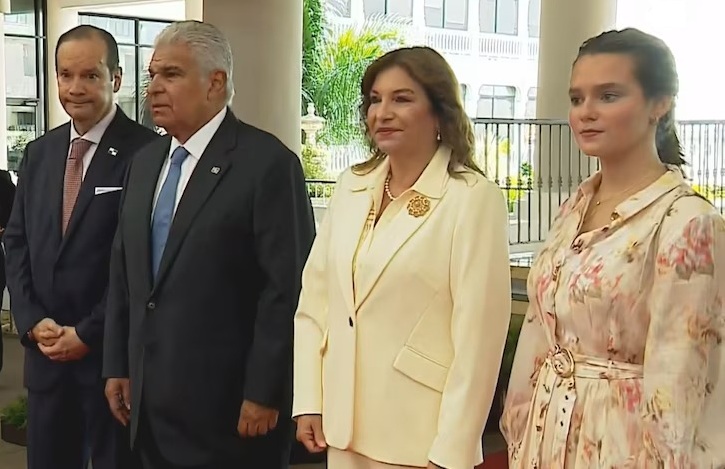
President Mulino Leads Events at the Foreign Ministry
The OAS General Assembly is being held in Panama as part of a High-Level Week that includes a series of multilateral meetings and diplomatic activities linked to the Bicentennial of the Amphictyonic Congress. This Monday, the Bicentennial of the Amphictyonic Congress will be commemorated with an event at the Ministry of Foreign Affairs and the presence of heads of state and regional representatives, followed in the afternoon by the opening of the OAS General Assembly in Atlapa.
From a Briefcase to Their Return to Panama: The Incredible Story of the Amphictyonic Congress Minutes
The Amphictyonic Congress (often called the Congress of Panama) was convened by Simón Bolívar from June 22 to July 15, 1826. Its goal was to unify newly independent Latin American republics against Spanish reconquista. The official minutes, detailing the ambitious but ultimately doomed treaty for a mutual defense pact, are preserved as a celebrated historical collection.
The Vision and the Documents
Named in homage to the ancient Greek Amphictyonic League, Bolívar’s assembly aimed to create a continental alliance featuring a joint military, a mutual defense pact, and a supranational assembly. Delegates from Gran Colombia, Peru, Central America, and Mexico gathered in Panama City, but geopolitical infighting and lack of widespread ratification meant it largely failed to achieve its lofty diplomatic goals. Despite its initial failure as a geopolitical alliance, the official minutes, treaties, and daily proceedings (known as the Diario del Congreso) endured as vital documents. This original archive documents the earliest attempts at Latin American integration.
The Archival Journey
The minutes and documents of the 1826 Congress were collected and preserved in fonds known as the Legajos Encuadrados.
- UNESCO Recognition: Because of their immense historical significance as a foundation for modern international law and hemispheric cooperation, these records were inscribed on the UNESCO Memory of the World Register for Latin America and the Caribbean.
- Historical Legacy: While only Gran Colombia formally ratified the treaties drawn up in the meeting, the minutes survive as a testament to Bolívar’s vision of a united Americas. The United Nations formally recognized the historic importance of the Amphictyonic Congress, noting its anticipation of modern international frameworks.
When the congress concluded, Panama City lacked specialized archives and adequate conditions to preserve documents of such historical value. The original minutes of the Amphictyonic Congress of Panama began their final journey this Monday. The story begins with one of the lesser-known protagonists of the Congress: Pedro Gual. Venezuelan by birth, a collaborator of Bolívar, Minister of Foreign Affairs of Gran Colombia, and delegate in Panama, Gual effectively assumed custody of the minutes thanks to the rotating system that distributed the responsibilities of the presidency and secretariat among the participating countries.