First the Container, Then the Visa: The Hidden Side of Moving to Panama
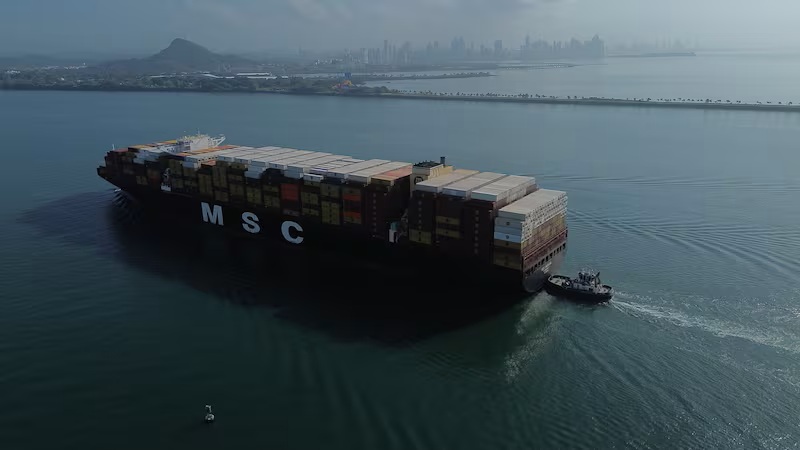
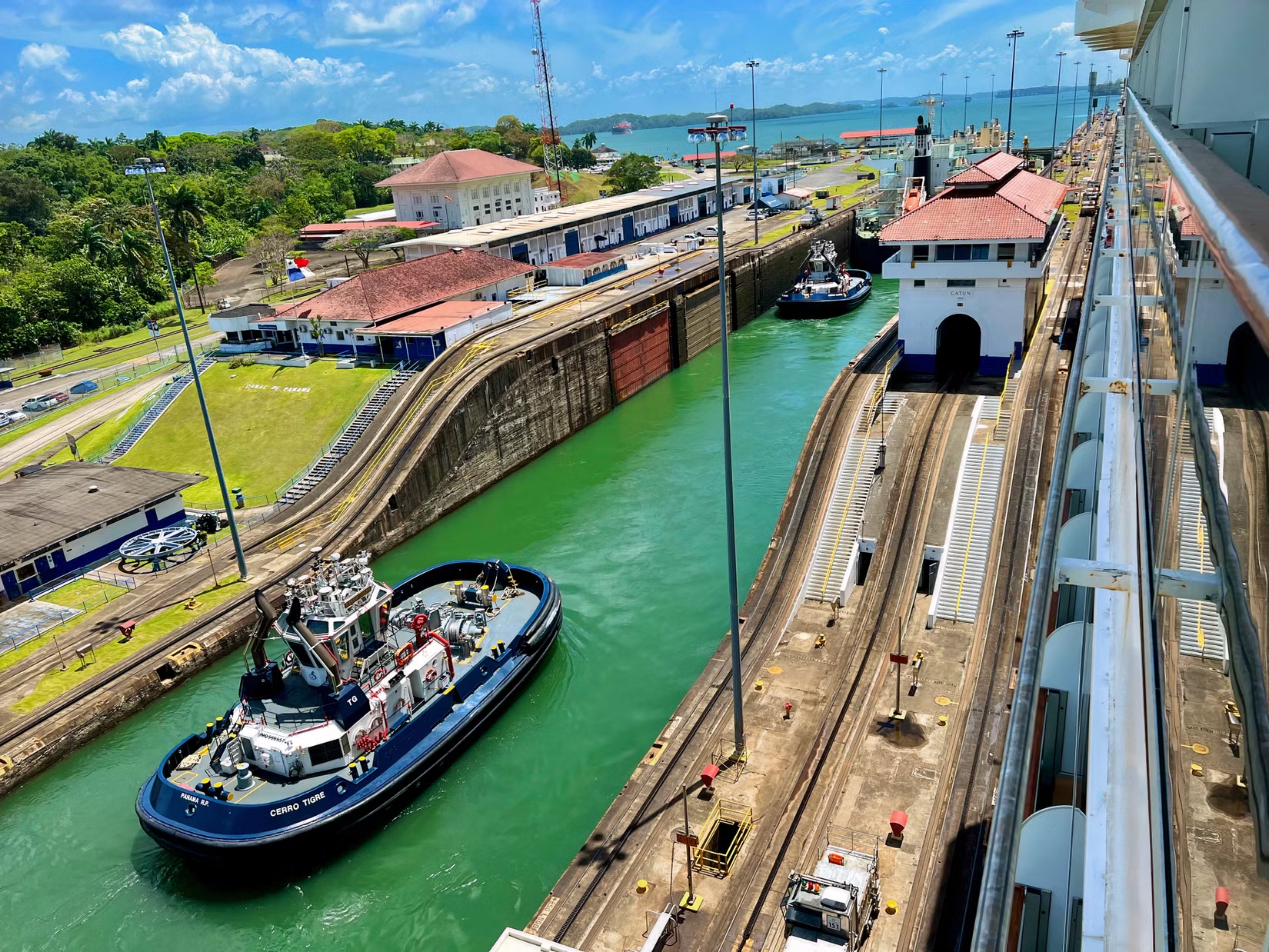
The Panama Canal makes headlines more often than any other piece of infrastructure in Central America, and almost always, the story is about container ships the size of a city block. Meanwhile, thousands of people and companies every year face a far more down‑to‑earth task, figuring out how to get a sofa, a car, or office furniture to a new address in Panama. This article breaks down what actually happens to the cargo long before you have a resident visa in hand.
The Canal Doesn’t Solve Everything
The canal turns Panama into a global trade hub, but it has only a distant connection to an individual’s move. A container ship follows its schedule, but a family’s fridge, bicycle, and boxes of books follow a completely different route assembled from several carriers, ports, and customs procedures. Given the difference in scale, it is surprising that the logistics of personal belongings ever seemed simple.
Boquete and Casco Viejo have been on every list of popular relocation destinations from the US and Canada for years, and most people who take this step start by looking for a realtor, only to discover later that shipping their own belongings requires a separate plan. This is where the freight marketplace GetTransport comes in, comparing a shipping request with offers from several carriers at once instead of routing everything through a single familiar freight forwarder. The route, insurance, and arrival dates become visible in advance, not discovered at the border.
A Suitcase Is No Longer the Limit
A move to Panama rarely comes down to a suitcase and a couple of boxes. Families and companies bring items that require a special approach to loading, packing, and paperwork. The list of what usually appears in a real shipping request during relocation is far more varied than clothes and dishes:
- A family car that requires a separate bill of lading and a customs declaration;
- Solid wood furniture, sensitive to the humidity of a port warehouse;
- Office equipment from a small company that is moving part of its business to Panama.
Each of these categories has its own packing logic and its own timeline for clearing the border. At the same time, speed, cost, and the availability of a suitable route between specific ports or cities add up to a task that is hard to solve by intuition alone.
| Shipping method | Common origin | Avg transit time | Best suited for |
| Sea freight (container) | North America, Europe | 14-25 days | Full household moves |
| Road freight | Costa Rica, Central America | 2-4 days | Vehicles, smaller loads |
| Air freight | Worldwide | 1-3 days | Documents, urgent items |
| Roll-on/roll-off (RoRo) | North America, Europe | 18-30 days | Cars, motorcycles |
Despite the differences in timing and price, the final choice is increasingly made not based on friends’ recommendations but by comparing offers on a single platform. Services like GetTransport gather almost all of the listed options in one request and send replies from carriers directly.
What They Don’t Mention in a Moving Ad
Most of the moving budget goes not to the sea voyage itself, but to the paperwork that is rarely highlighted in relocation ads. A property declaration, an assessment of its value, and a list of items restricted for import can delay the arrival of the shipment for weeks, even if the ship or the van arrived on schedule.
The document requirements differ for a resident’s personal belongings and a company’s commercial cargo, and confusing these categories is a common beginner’s mistake. Although the list of papers looks like a formality, it is usually the main reason for customs delays, not the transport itself.
The First Container of a New Life
A move to Panama begins not with a visa and not with a signed rental agreement, but with the decision of how and when the cargo will arrive. The more precisely the route and the carrier are chosen, the fewer surprises will appear at the doorstep of the new home.