The Prison on Coiba Island Panama: 29 High-Risk Inmates Have BeenTransferred

Panama’s Ministry of Public Security recently transferred 29 high-risk inmates (leaders of criminal organizations) to the Coiba Island detention center. Handled by the National Aeronaval Service (SENAN), this move aims to increase national security and isolate gang leaders. The Ministry of Public Security reported this Saturday the transfer of 29 inmates classified as high-risk to the penitentiary center located at the Teniente Nelson Tenas air and naval station, on Coiba Island. According to the official statement, the transfer was carried out due to the vulnerability of the Punta Coco detention center, from where illicit activities were allegedly being coordinated.
Key Details of the Transfer
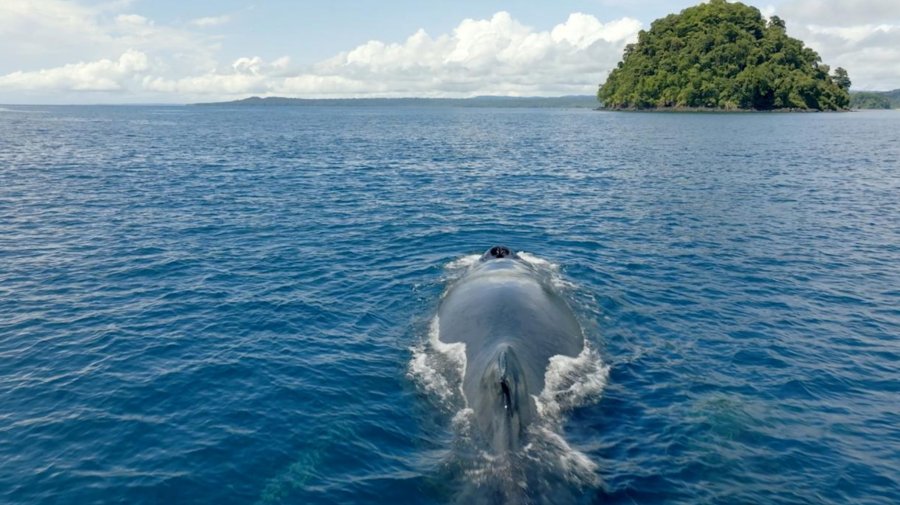
- Location: The Coiba Island detention center, located off the Pacific coast of Panama.
- Security: Managed by SENAN, equipped with advanced technology and tactical forces specialized in fighting drug trafficking.
- Goal: To sever the operational control of gang leaders and combat organized crime.
Context of Coiba Island
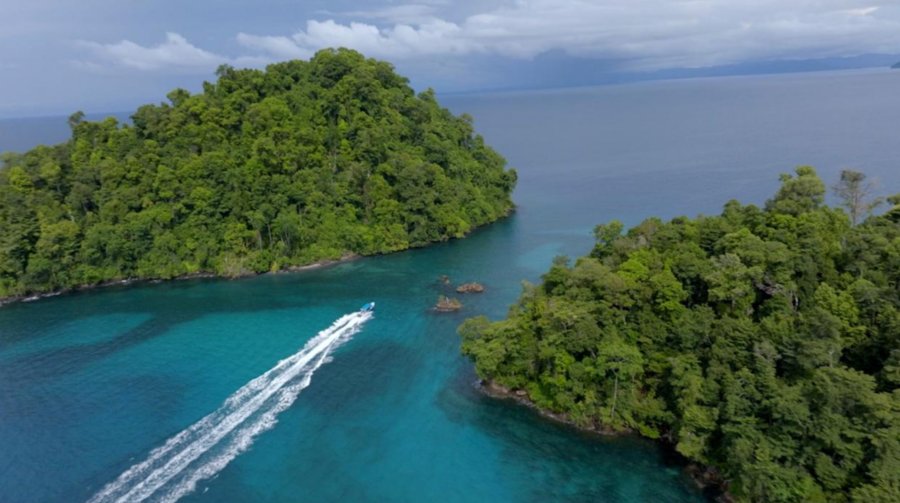
- Former Prison: From 1919 to 2004, Coiba served as a notorious penal colony (often dubbed “Devil’s Island”), holding up to 3,000 inmates.
- Current Status: In 2005, the island was declared a UNESCO World Heritage Site and is now a thriving national park famous for its biodiversity.
- Current Use: While mostly a reserve, the Panamanian government maintains a naval presence on the island to monitor drug trafficking and now temporarily holds select high-profile cartel or gang leaders.
The former Coiba Island Penal Colony in Panama operated from 1919 until its closure in 2004. Often referred to as the “Alcatraz of Panama” or “Devil’s Island,” it was notoriously harsh, serving as a prison for the country’s most dangerous criminals and political dissidents.
Key Historical Background:
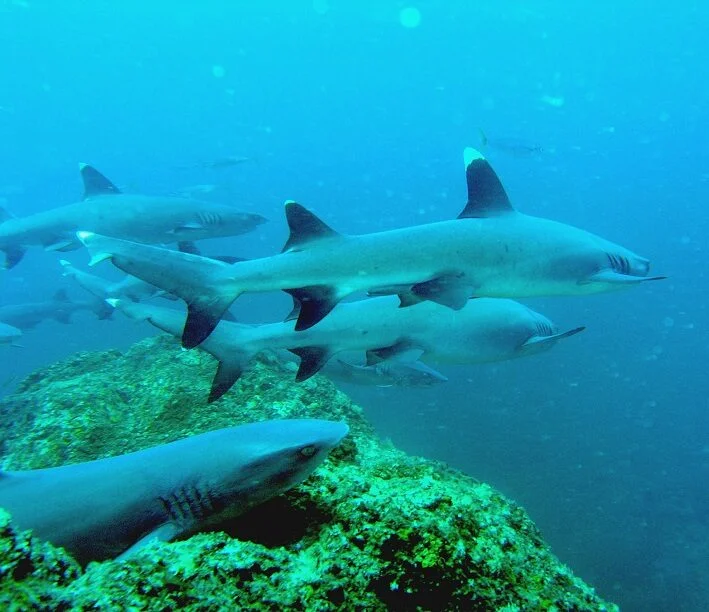
- Origins & Isolation: Established in November 1919 under President Belisario Porras, the remote island was chosen for its isolation. Escaping was practically impossible due to surrounding shark-infested waters, strong currents, and dangerous wildlife like crocodiles and venomous snakes.
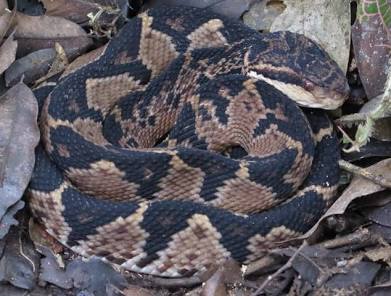
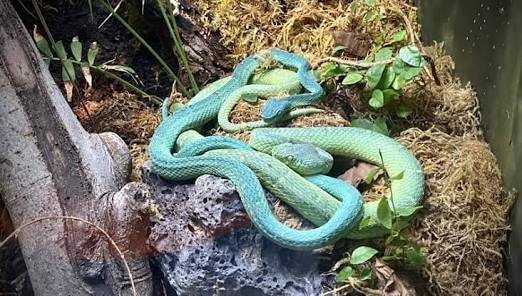
Panama is home to over 26 species of venomous snakes, most of which are pit vipers. The most dangerous and commonly encountered include the Fer-de-lance, Bushmaster, Eyelash Viper, and Coral Snake.
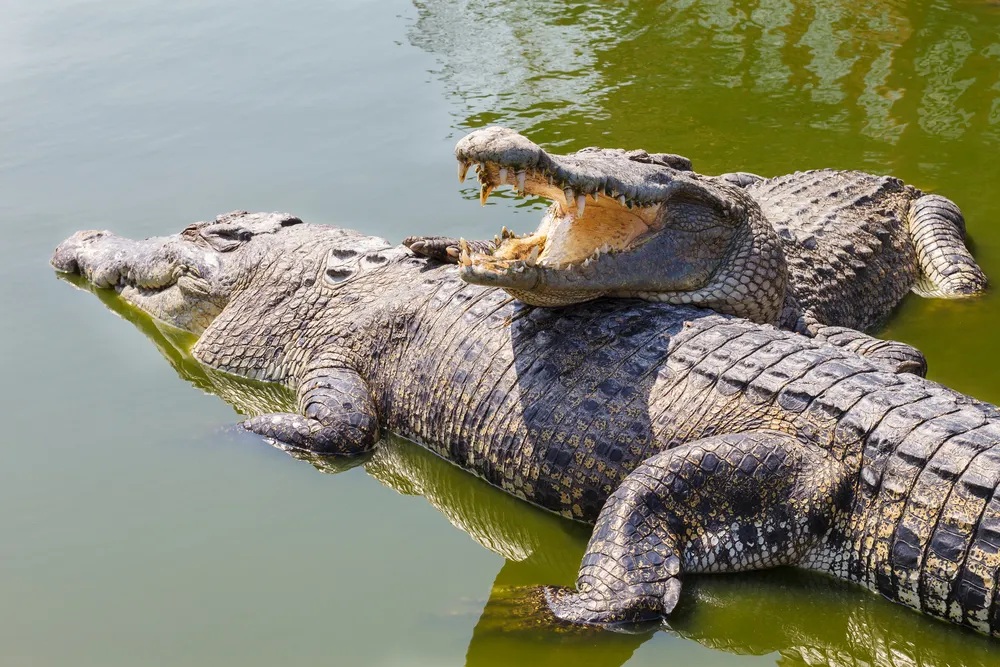
- Work Camps: At its peak, the colony housed around 3,000 inmates spread across 30 open-air work camps. Rather than being held in strict cell blocks, prisoners were used for forced agricultural and ranching labor.
- The “Los Desaparecidos”: During the military dictatorships of Omar Torrijos and Manuel Noriega, the prison gained a dark reputation for holding political prisoners. Many of “Los Desaparecidos” (The Disappeared) were murdered, buried in unmarked graves, or thrown to the sharks.
- An Accidental Eco-Reserve: The brutal conditions, fear of the inmates, and restricted access kept tourists and developers away. Because human interference was minimal, roughly 80% of the island’s natural rainforests and ecosystems survived untouched.
Present Day Status:
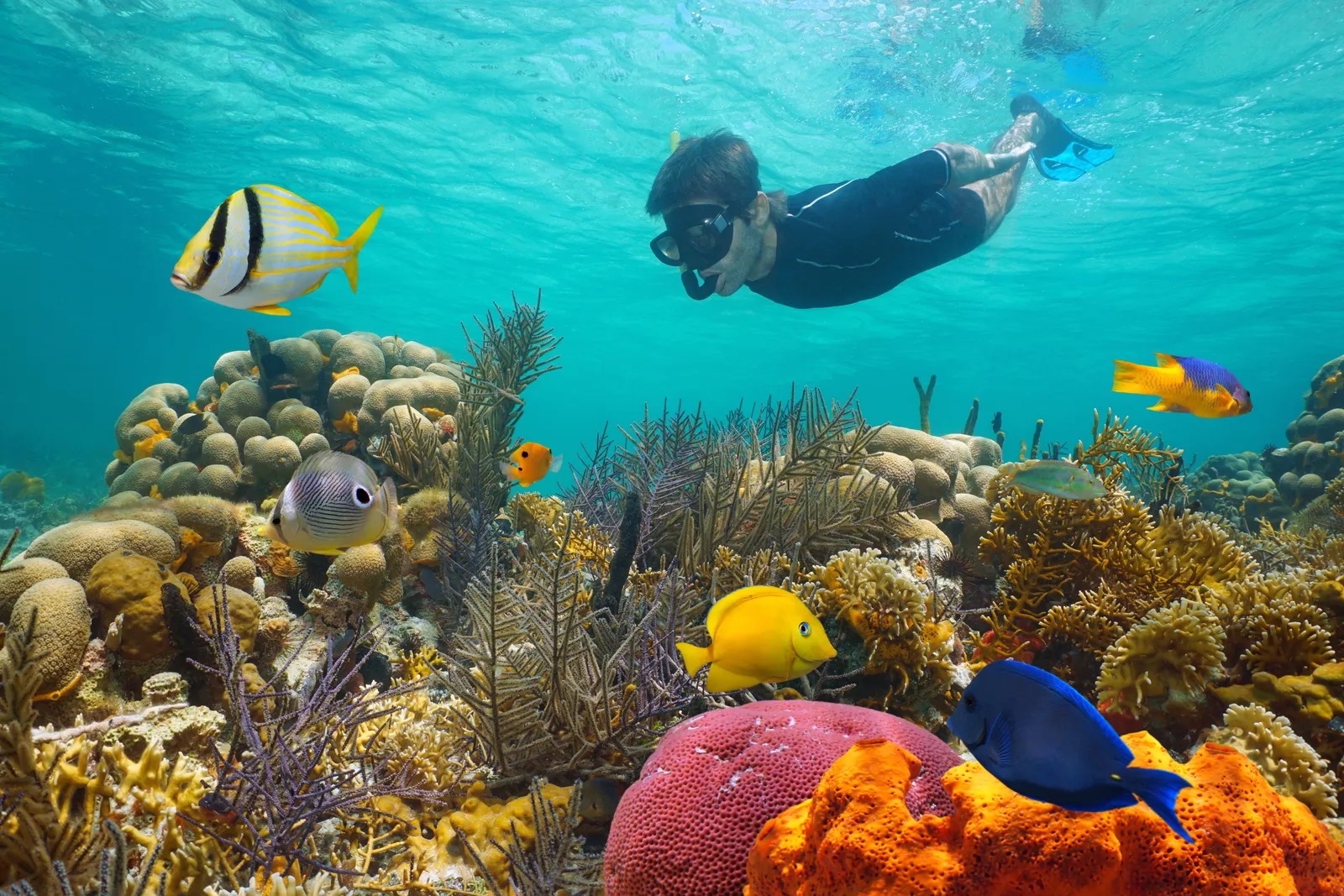
After the prison closed in 2004, the Panamanian government repurposed the island. It is now the center of Coiba National Park and was designated a UNESCO World Heritage Site in 2005, transforming from a site of severe punishment into a vital biological research and conservation area. Coiba Island’s transition from a brutal penal colony to a protected Coiba National Park has safeguarded one of the Americas’ most pristine ecosystems. This shift preserved critical biodiversity, though illegal fishing, poaching, and enforcement challenges continue to threaten its delicate marine and terrestrial habitats.
The “Prison Paradox”
For nearly a century (1919 to 2004), Coiba operated as a notorious penal colony. Paradoxically, this intense forced isolation, rough seas, and dangerous wildlife made the island an impenetrable stronghold. Because developers, loggers, and large-scale fishermen steered clear, roughly 80% of the island’s primary rainforests and surrounding coral reefs remained untouched.
Ecological Triumphs
When the prison closed and the island transitioned to a national park and UNESCO World Heritage Site, it brought several vital ecological benefits:
- High Endemism: Isolation from the mainland allowed plants and animals to evolve uniquely. Coiba now hosts exceptionally high levels of endemism, including the Coiba spinetail and specific subspecies of mammals and birds.
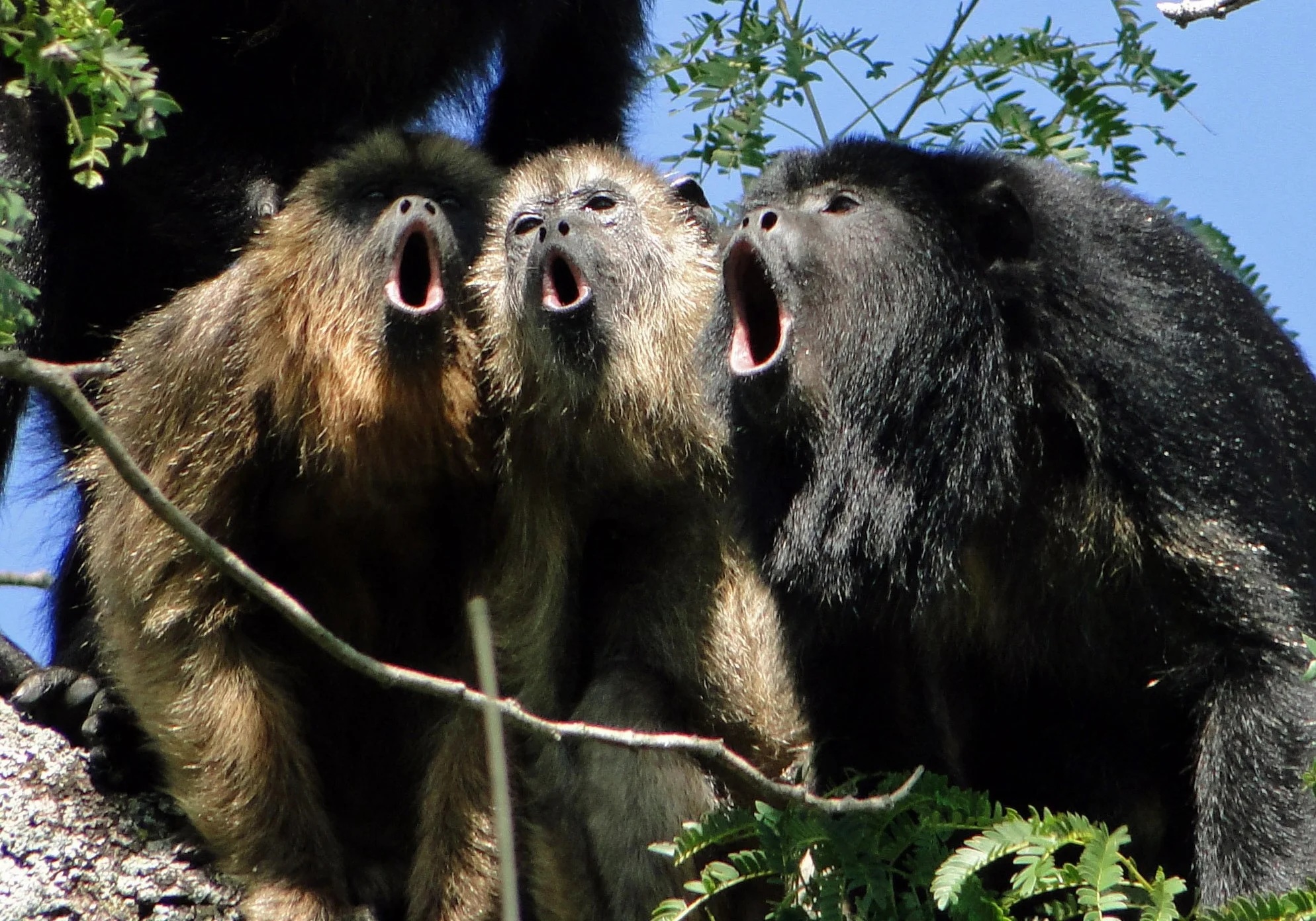
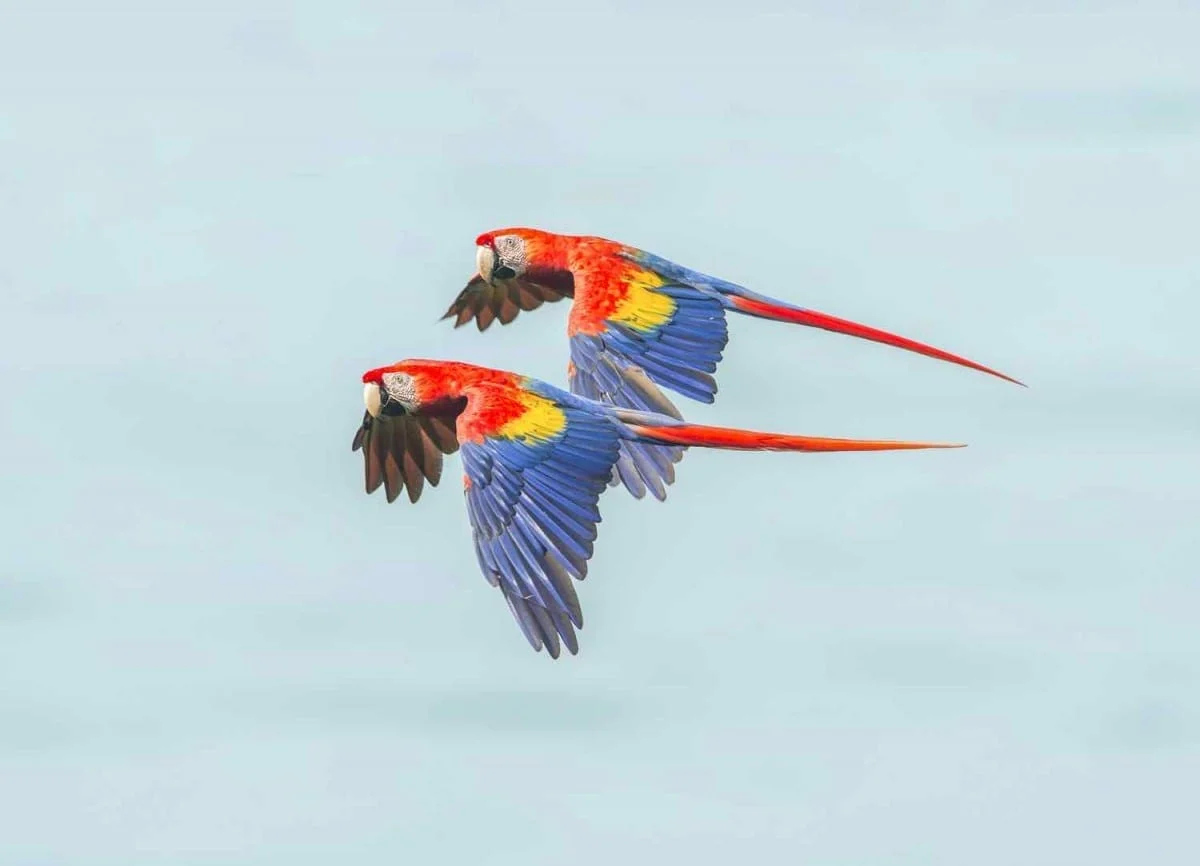
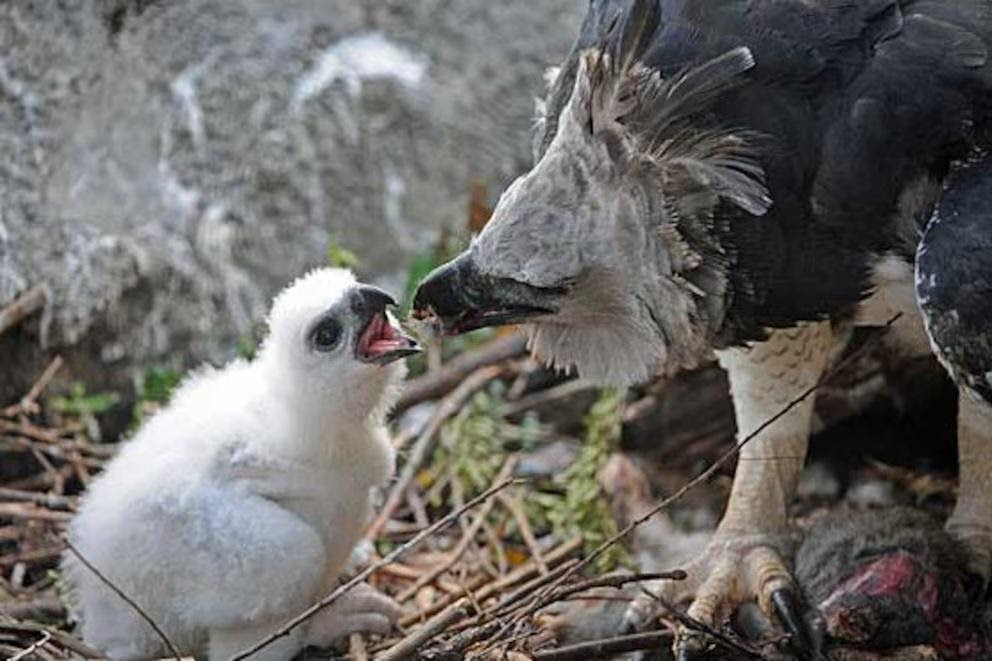
- Wildlife Refuge: The island serves as the last critical refuge for threatened species like the crested eagle, scarlet macaws, and the island’s endemic howler monkey.
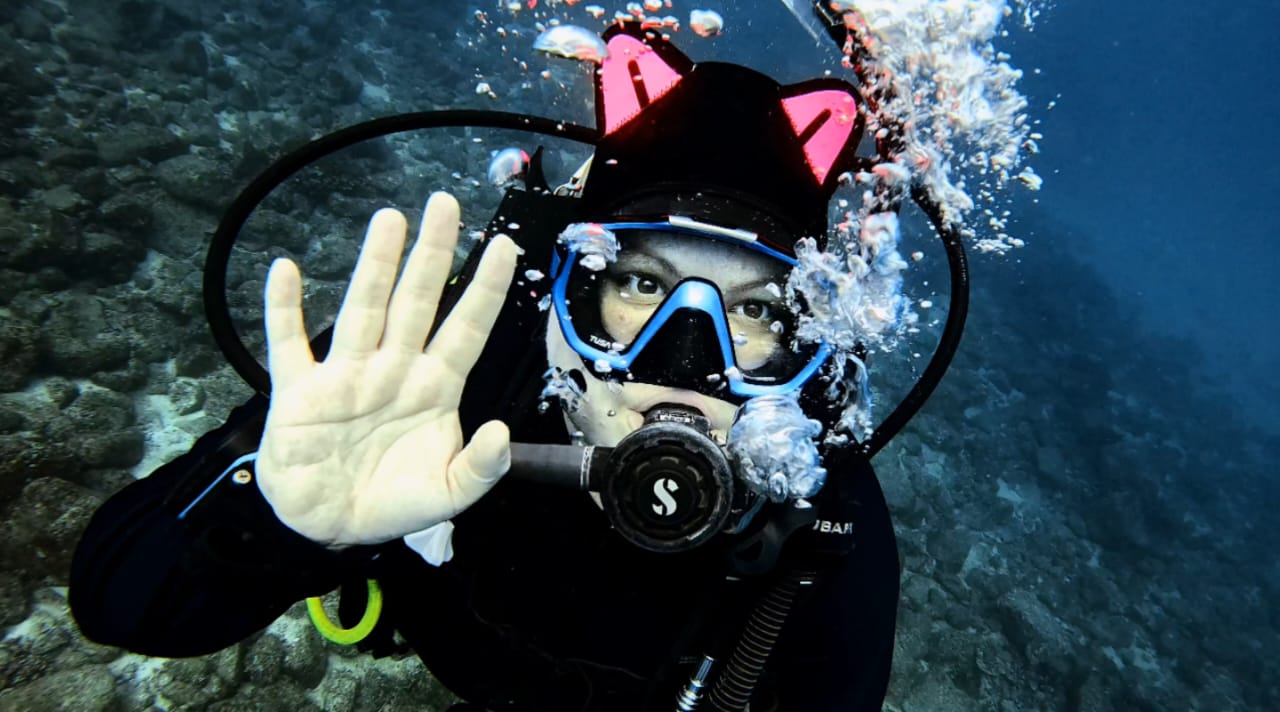
- Marine Corridor: The park’s waters link directly to the Tropical Eastern Pacigic. It serves as a vital corridor for migrating marine mammals, whale sharks, and sea turtles, and hosts healthy, largely bleach-resistant coral reefs.
Ongoing Threats & Challenges
Despite formal protection, the park’s fragile balance faces severe, ongoing ecological pressures:
- Illegal Commercial Fishing: Poaching and commercial overfishing continue to threaten pelagic fish and shark populations within park boundaries.
- Poaching & Deforestation: The rainforest and rare tropical hardwoods remain vulnerable to illegal logging, while cattle introduced during the prison era threaten to degrade specific patches of virgin rainforest.
- Climate Change: Warming waters pose a constant, looming threat to the coral reefs, raising concerns about potential bleaching.
To counter these threats, Panama has increasingly relied on expanding no-take zones, deploying state-of-the-art satellite radar tracking, and increasing ranger patrols.