Panama speeds up 5G rollout amid incomplete 4G territorial coverage
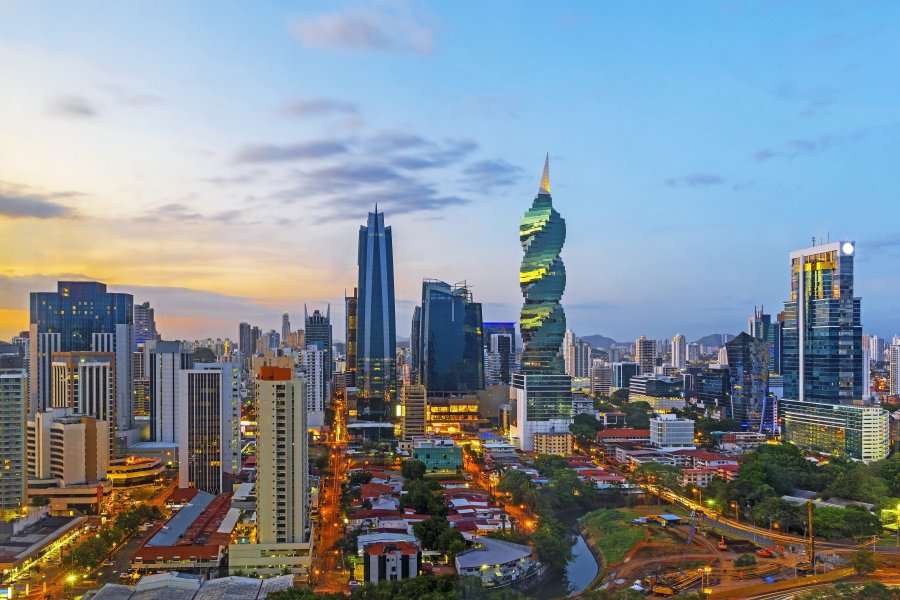
Guest Contribution – Panama, positioning itself as a leading ICT hub in Central America, is stepping up efforts to transition to fifth-generation networks. Today, 4G LTE is available to about 95% of the country’s population, but that figure masks a major gap: actual land-area coverage is only around 39%. 5G pilot zones are operating exclusively in the capital, and authorities aim to announce a tender for spectrum allocation for the new networks by the end of 2024.
Why the country is racing toward 5G
Panama’s geographic location and its role as a key transit corridor between North and South America make reliable connectivity a strategic asset. Accelerating digital transformation is expected to support logistics, industry, and agriculture, while also strengthening the country’s position as a regional center of telecom infrastructure. In this context, 5G is seen not merely as a speed upgrade, but as the foundation for a new phase of economic growth.
Almost everyone is online, but coverage gaps remain
4G LTE connectivity statistics look impressive: 95% of Panamanians have access to fourth-generation networks. However, geographic coverage paints a very different picture. Remote villages and small inland towns still lack stable mobile internet.
Although we have to admit that our authors did not notice serious dips in service quality in various regions of the country. We loaded various websites. Among the websites we tested were both technically and visually quite simple ones and fairly complex ones. In addition, we examined how some apps worked. These were mainly various mobile games, video services, and best football betting apps, which we found on a leading industry site that ranks highly in search results. And almost all of these apps had no issues accessing the internet.
Eliminating these “coverage gaps” remains a priority for both the government and operators. Without expanding basic infrastructure in remote areas, any plans to roll out 5G risk remaining a capital-city privilege.
Who is rolling out 5G—and what subscribers get
For now, the fifth generation is available only in Panama City. The rollout is being carried out by two key operators: Cable & Wireless and Tigo. Both companies promise subscribers a noticeable jump in speeds and a more stable connection compared with existing networks.
In parallel with the commercial launch, the state is investing in infrastructure modernization. Specific steps include:
- building new base stations and towers;
- expanding fiber-optic backbone networks;
- preparing a regulatory framework to scale networks beyond the capital.
Frequencies in question: why spectrum allocation is being delayed
A key event in the coming months is expected to be the announcement of a tender for 5G spectrum licenses. However, the process is being held up by the ongoing assessments of Panama’s National Authority for Public Services (ASEP). The regulator is analyzing the technical and economic parameters of frequency allocation, and until this work is completed, there is still no clear timeline for further rollout.
At the same time, the state is not taking a wait-and-see approach. The authorities are using direct infrastructure investment, tax incentives, and legislative initiatives to accelerate the transition to the new communications standard.
Smart cities, precision agriculture, and digital logistics
Potential 5G use cases in Panama go far beyond everyday internet access. Among the most promising areas are:
- smart cities: optimizing traffic flows, improving the quality of public services, managing urban infrastructure in real time;
- industry and logistics: digital monitoring of supply chains, automation of production processes;
- agriculture: deploying precision agriculture technologies and remote monitoring.
Barriers still to be overcome
Despite ambitious plans, the path to mass 5G comes with a number of challenges. The high cost of infrastructure modernization puts significant pressure on operators’ budgets. The relatively small size of Panama’s market raises questions about return on investment. Consumer awareness of the benefits of the new standard remains low, and regulatory uncertainty makes investors more cautious.
Nevertheless, the combination of government support, a strategic geographic position, and an existing digital foundation creates conditions under which Panama can take its place as one of the regional leaders in 5G. The next milestone will be shaped by the outcome of the frequency tender and how quickly networks expand beyond the capital.
________________________________________________________________________________________________________________
Advertisements placed in our Guest Contribution sections are in no way intended as endorsements of the advertised products, services, or related advertiser claims by NewsroomPanama.com, the website’s owners, affiliated societies, or the editors. Read more here.