How Interstate and Intrastate Trucking Affects Accident Claims
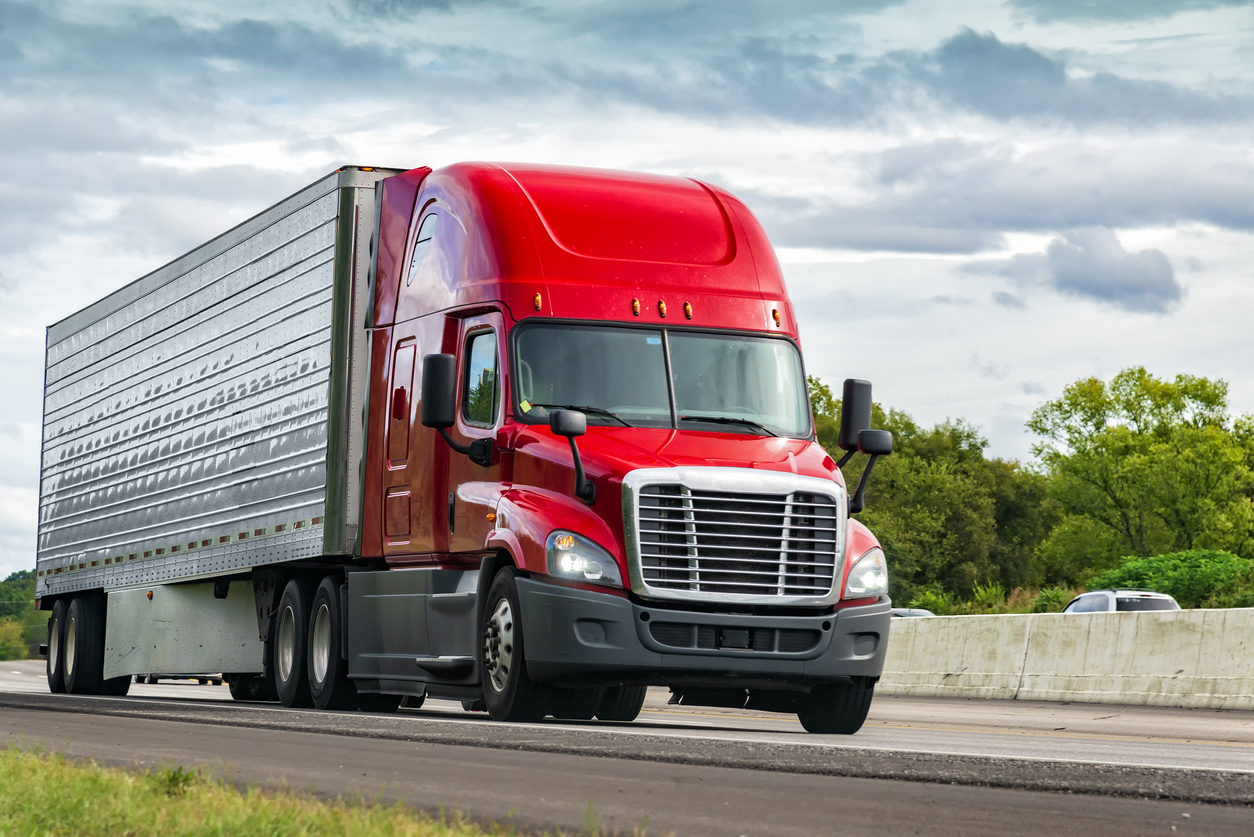
Interstate and intrastate trucking can significantly affect accident claims because different laws, regulations, insurance requirements, and liability standards may apply depending on where and how the truck operates. The classification of a trucking operation often influences how investigations are handled, what legal rules govern the case, and how compensation claims are pursued after an accident.
Truck accidents are already more complicated than standard car crashes because they often involve commercial vehicles, large insurance policies, and multiple liable parties. Understanding interstate vs. intrastate trucking is important because the distinction can affect everything from federal safety regulations to insurance coverage and legal responsibility. Victims involved in truck accidents may face different legal challenges depending on whether the truck crossed state lines or operated entirely within one state.
What Is Interstate Trucking?
Interstate trucking refers to commercial transportation that crosses state lines or transports cargo connected to interstate commerce.
For example, trucking is considered interstate when:
- A truck travels from Texas to Oklahoma.
- Cargo is transported across multiple states.
- Goods are part of interstate trade or distribution.
What Is Intrastate Trucking?
Intrastate trucking involves transportation that takes place entirely within a single state.
Examples include:
- Deliveries made only within California
- Local commercial transportation inside one state
- Construction or utility trucks operating locally
Why the Difference Matters in Accident Claims
The distinction between interstate and intrastate trucking affects accident claims because different legal and regulatory systems may apply.
This can influence:
- Safety regulations
- Insurance requirements
- Driver qualification standards
- Liability investigations
- Compensation claims
Determining whether the trucking operation was interstate or intrastate is often one of the first steps attorneys and insurance companies examine after a serious truck accident.
Federal Regulations in Interstate Trucking Cases
Interstate trucking companies must comply with FMCSA regulations, which are designed to improve commercial vehicle safety nationwide.
These regulations cover areas such as the following:
- Hours-of-service limits
- Driver rest requirements
- Drug and alcohol testing
- Vehicle inspections
- Maintenance standards
- Cargo securement rules
If a trucking company violates federal safety regulations, those violations may become strong evidence of negligence in an accident claim.
For example, if a driver exceeded federal driving-hour limits and caused a fatigue-related crash, the violation could significantly strengthen the victim’s case.
State Regulations In Intrastate Trucking Cases
Intrastate trucking operations are typically governed by state transportation laws and regulations.
State laws may differ regarding:
- Weight limits
- Insurance minimums
- Driver licensing requirements
- Safety inspection procedures
- Operational restrictions
Some states apply rules similar to FMCSA standards, while others have separate requirements specifically for intrastate carriers.
This means accident claims involving intrastate trucking may require detailed knowledge of local transportation laws.
Insurance Coverage Differences
Insurance requirements often differ between interstate and intrastate trucking companies.
Interstate Trucking Insurance
Federal law requires interstate trucking companies to carry minimum levels of liability insurance based on the type of cargo transported.
For example:
- General freight carriers often require at least $750,000 in liability coverage.
- Hazardous material carriers may require several million dollars in coverage.
Higher insurance limits can increase the amount of compensation available to accident victims.
Intrastate Trucking Insurance
Intrastate trucking insurance requirements are usually determined by state law.
In some states, minimum coverage requirements may be lower than federal interstate standards. This can affect the amount of compensation available after a serious accident.
Liability Can Become More Complex
Truck accident claims often involve multiple potentially responsible parties, regardless of whether the trucking operation is interstate or intrastate.
Liable parties may include the following:
- The truck driver
- The trucking company
- Cargo loading companies
- Vehicle maintenance providers
- Truck manufacturers
However, interstate trucking cases may involve larger corporations, multi-state operations, and more complicated contractual relationships, making liability investigations more extensive.
How Jurisdiction Affects Accident Claims
Jurisdiction refers to which court or legal system has authority over the case.
In interstate trucking accidents, jurisdiction can become complicated because:
- The trucking company may operate in multiple states.
- The accident may involve drivers from different states.
- Cargo routes may cross state lines.
This can affect where lawsuits are filed and which laws apply to the case.
Intrastate accident claims are usually handled entirely within one state’s legal system, which may simplify some procedural issues.
Driver Qualification Standards
Interstate truck drivers must meet federal qualification requirements established by the FMCSA.
These standards may include:
- Commercial driver licensing rules
- Medical certifications
- Drug testing compliance
- Driving record reviews
If a trucking company hires an unqualified driver or ignores federal standards, it may face liability after an accident.
Intrastate drivers may follow different state-specific qualification rules depending on local laws.
Key Takeaways
- Interstate trucking involves transportation connected to multiple states, while intrastate trucking operates within one state.
- The classification affects regulations, insurance requirements, and accident claim procedures.
- Interstate trucking companies must follow FMCSA federal safety regulations.
- Intrastate trucking companies generally follow state-specific transportation laws.
- Insurance coverage limits may differ significantly between interstate and intrastate carriers.
- Truck accident claims may involve multiple liable parties and complex investigations.
- Jurisdiction and applicable laws can vary depending on the trucking operation.
- Understanding the difference between interstate and intrastate trucking can help victims better navigate accident claims and compensation issues.