Why Lingual Braces Are Worth the Adjustment Period
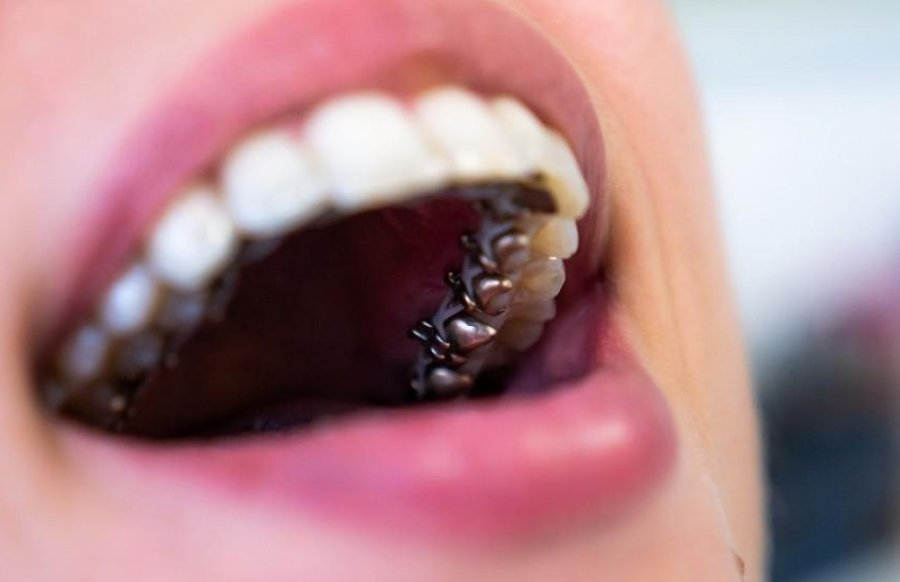
Lingual braces have a reputation: impressive results, near-invisible appearance, and an adjustment period that can feel… humbling. If you’ve only ever seen traditional braces (or you’ve worn them yourself), the idea of brackets and wires placed behind the teeth can sound like a clever hack—until you start imagining what that does to your tongue, speech, and day-to-day comfort.
Still, for the right person, lingual braces can be a genuinely smart choice. The key is understanding what the “adjustment period” actually involves, why it happens, and what you can do to move through it faster. Let’s break it down like a clinician would: with realism, specifics, and a focus on outcomes.
What Makes Lingual Braces Different (and Why That Matters)
Lingual braces aren’t just traditional braces flipped around. Their position on the tongue-side of the teeth changes three important variables: biomechanics, soft-tissue contact, and visibility.
The big advantage: aesthetics without compromising control
Many adults want a low-visibility treatment option but don’t qualify for clear aligners—or they’ve tried aligners and found the compliance requirements tough. Lingual braces offer a “fixed” solution: the appliance is working 24/7 whether you’re thinking about it or not. That consistency can be valuable in more complex cases where precise tooth movement is needed.
The tradeoff: the tongue is now part of the system
Your lips adapt relatively quickly to braces on the front of the teeth. Your tongue, on the other hand, is a muscular workhorse involved in speech, swallowing, and resting posture. When brackets are placed on the lingual surfaces, the tongue keeps “finding” them—especially in the first couple of weeks. That’s why patients often describe the early phase as more intense than they expected.
The Adjustment Period: What You’ll Feel and Why It Happens
Most of the early friction comes down to simple anatomy and neuroadaptation: your brain has to remap how it moves the tongue around this new landscape.
Speech changes are common—but usually temporary
Certain sounds (often “s,” “t,” “d,” and “l”) require precise tongue placement. Lingual braces alter the available space and can prompt a slight lisp at first. In most cases, people improve significantly within 1–3 weeks, especially if they speak a lot during the day. The tongue learns quickly when it has to.
Tongue irritation is the main comfort complaint
Because the tongue repeatedly brushes against the brackets, soreness can flare early on. Orthodontic wax (or the newer silicone barriers) can help, but the bigger factor is time: the tongue’s surface adapts, and your movement patterns become more efficient.
Eating feels different—then it becomes routine
Chewing doesn’t necessarily hurt more than with other braces, but the “presence” of the appliance can make you more cautious. Softer foods help at first, and many people find they naturally return to their regular diet after the first couple of weeks—minus the usual brace-avoidance culprits.
If you want a balanced, detailed rundown before committing, it helps to read a neutral explanation of the benefits and drawbacks of lingual braces—not just the highlight reel. Knowing what’s normal (and what isn’t) is half the battle.
Why They’re Worth It for the Right Patient
It’s fair to ask: if the first few weeks are annoying, what do you get in exchange? The strongest arguments for lingual braces aren’t hype—they’re practical.
1) You get discreet treatment without “removable” risk
Clear aligners are excellent for many people, but they depend on wear time. Lingual braces remove that variable. If your schedule is hectic, if you travel often, or if you know you’ll forget trays, fixed appliances can be a relief. The mechanics keep working regardless of your calendar.
2) They can handle complex movements
Not every malocclusion is aligner-friendly, and not every case responds well to a single approach. Lingual braces can be particularly useful when you need fine control over rotation, torque, and space closure—movements that sometimes require extra attachments or refinements with aligners.
3) They fit adult priorities
For many working adults, the biggest “cost” of orthodontics isn’t financial—it’s social visibility. Presentations, client meetings, being photographed, dating: these realities matter. Lingual braces let you straighten teeth without broadcasting it. That psychological comfort is hard to quantify, but patients mention it constantly.
How to Make the Adjustment Period Shorter (and Less Annoying)
You can’t skip adaptation entirely, but you can influence how smoothly it goes. Here’s the most reliable, low-drama approach I’ve seen work:
- Talk more than you think you need to. Reading aloud for 10 minutes a day accelerates speech adaptation.
- Use wax strategically, not constantly. Cover the few spots that consistently rub; you want the tongue to adapt, not avoid contact forever.
- Choose “clean” soft foods at first. Think yogurt, eggs, soups, pasta—foods that don’t shred into bracket-catching bits.
- Rinse frequently in the first week. Warm saltwater can calm irritated tissue, especially after meals.
- Get serious about interdental cleaning. Lingual appliances can trap plaque in places you’re not used to reaching; a small-headed toothbrush and interdental brushes are non-negotiable.
One more point: expect a second mini-adjustment after tightening appointments. That doesn’t mean something is wrong; it’s the normal rhythm of orthodontic movement.
Who Should Think Twice?
Lingual braces aren’t “better” across the board. They’re better in specific contexts.
If your job depends on pristine speech from day one
Teachers, podcasters, call-centre professionals, courtroom attorneys—anyone who can’t afford even a temporary change may prefer aligners or another discreet option. Some people adapt fast, but you can’t guarantee you’ll be one of them.
If your oral hygiene routine is already inconsistent
Lingual braces demand attention to cleaning. If brushing and flossing are currently sporadic, you may want to build stronger habits first or choose a treatment option that’s easier to maintain.
If you’re highly sensitive to oral discomfort
Everyone has a different threshold. The tongue irritation phase is real, and for a small subset of patients it feels like more trouble than it’s worth.
The Bottom Line: Discomfort Is Temporary; Outcomes Aren’t
The adjustment period with lingual braces is often front-loaded: a couple of weeks where you’re acutely aware of the appliance, then a steady slide into normality. If you’re choosing lingual braces purely to “hide braces,” that might sound like a lot. But if you’re choosing them to combine discretion with the control of fixed orthodontics, the trade makes sense.
A useful way to frame it is this: you’re not just adjusting to braces—you’re adjusting to a new bite, new tooth positions, and a healthier long-term occlusion. The early friction is the price of precision. For many adults, that’s a price worth paying once, rather than wishing they’d done it years earlier.