How to Get a Hearing Test in London Without Long Waiting Times
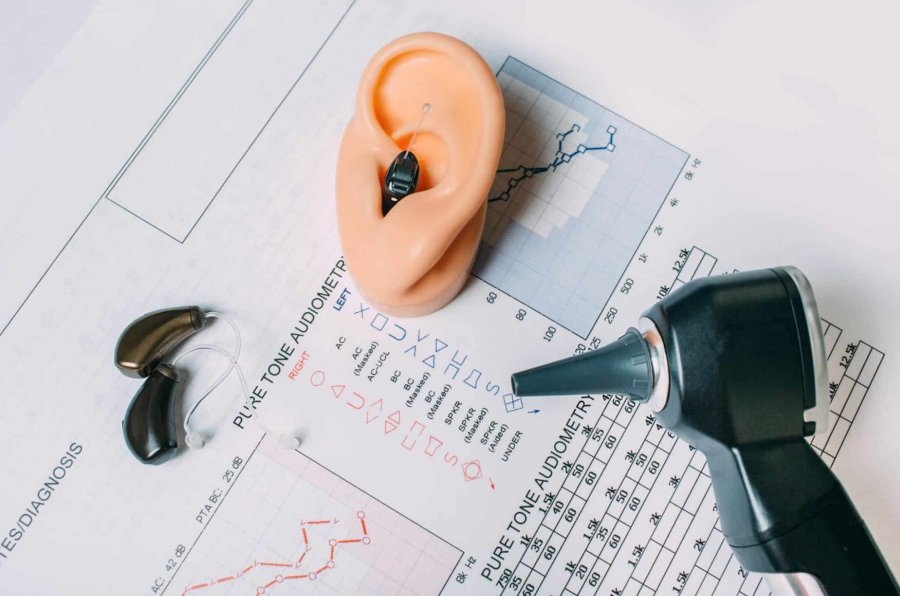
If you’ve noticed the TV creeping louder, conversations blurring in cafés, or a persistent ringing that won’t let up, the hardest part shouldn’t be getting seen. Yet in London, demand for hearing care is high, and many people assume that checking their hearing automatically means a long wait.
The good news: you can usually get a quality hearing assessment quickly—often within days—if you know which route to take and how to book efficiently. Below is a practical, London-specific guide to getting a hearing test without the backlog, plus a few pointers that can save you time (and frustration).
Start by choosing the right route: NHS, private, or hybrid
London offers three main pathways, and the “fastest” option depends on your symptoms and priorities.
NHS (GP referral or local audiology service)
The NHS is an excellent option for comprehensive assessment and ongoing care, but waiting times vary by borough and service capacity. If your situation is routine and you’re not in a rush, this may work well. If you are in a rush, you can still use the NHS—just be strategic:
- Ask your GP practice if they offer direct referral to audiology (some areas do).
- Request to be placed on a cancellation list.
- If your symptoms are affecting work or safety, explain that clearly; urgency can change triage decisions.
Private clinics (fast access, flexible hours)
Private audiology clinics in London typically offer faster appointments, including evenings or weekends. This route suits people who want speed, flexible scheduling, or a second opinion—especially if they’ve been waiting for an NHS appointment.
Hybrid approach (best of both worlds for some)
A common approach is: book a private test quickly to understand what’s going on, then decide whether you want to continue privately or take the results to your GP for NHS follow-up. A current audiogram and clear notes can make subsequent steps more efficient.
Know when “fast” matters: symptoms that shouldn’t wait
A lot of hearing concerns can be assessed promptly without it being an emergency. But a few scenarios deserve urgent medical attention rather than a standard booking.
Seek urgent help if you have:
Sudden hearing loss (over hours or a day), one-sided hearing loss with new severe dizziness, ear trauma, or neurological symptoms (facial weakness, severe headache, confusion). These are “don’t wait and see” situations—call 111, your GP urgently, or attend urgent care/A&E as appropriate.
For everything else—gradual hearing changes, muffled sound, intermittent ringing, difficulty in noise—you can usually book a standard hearing assessment, and you have options to avoid long delays.
How to get a quick appointment in London (without cutting corners)
Here’s the practical playbook Londoners use to get seen sooner—while still getting a credible, clinically useful assessment.
Book with a provider offering proper diagnostic testing (not just a quick check)
Not all “hearing checks” are equal. If you want results that genuinely guide next steps, look for appointments that include a full case history and validated audiological tests (typically pure-tone audiometry and, where appropriate, speech testing and middle-ear assessment).
If you’re comparing providers, it helps to look for hearing screenings conducted by expert audiologists because that phrasing tends to correlate with clinics that can deliver a more thorough, decision-ready snapshot of your hearing—not a five-minute, sales-adjacent screen.
Use timing to your advantage
London clinics often have patterns in availability:
- Midweek mornings (Tue–Thu) are often easier to secure than Monday lunchtime or Saturday.
- Ask about same-week cancellations—they’re common.
- If you can travel, consider clinics just outside the busiest central zones; a 20–30 minute Tube journey can cut the wait dramatically.
Be clear about your goal when you call
A small change in how you describe the problem can influence scheduling. Instead of “I think my hearing is a bit worse,” try:
“I’m struggling to follow speech in background noise, and it’s affecting meetings. I’d like a full hearing assessment as soon as possible.”
Clinics are more likely to prioritise appointments when the functional impact is clear.
Consider location and accessibility (it affects speed)
The “fastest” appointment isn’t helpful if you can’t realistically get there. Look for:
- Proximity to major stations (less travel friction means you can accept earlier slots)
- Step-free access if needed
- Evening appointments if your workdays are packed
What to expect at a proper hearing test (and how long it takes)
A comprehensive adult hearing assessment often takes 30–60 minutes, depending on complexity and whether wax management is needed first.
A strong appointment usually includes:
- A structured conversation about symptoms, noise exposure, medical history, and medications
- Otoscopy (a look in the ear canal) to check for wax, irritation, or eardrum concerns
- Pure-tone audiometry (measuring hearing thresholds)
- Sometimes tympanometry (middle-ear function) and speech-in-noise or speech clarity testing
If you’re in a hurry, it’s tempting to book the shortest slot available. But too-short appointments can lead to vague outcomes (“maybe mild loss”) that don’t help you decide what to do next—meaning you’ll be booking again anyway.
One quick checklist to reduce delays before your appointment
If you want the appointment to be “one and done,” spend five minutes preparing. Bring:
- A short list of situations where hearing is hardest (restaurants, calls, meetings)
- Any history of ear infections, tinnitus, dizziness, or noise exposure
- A note of relevant medications (some can affect balance or hearing)
- Previous hearing test results (even old ones)
- Questions you want answered (e.g., “Is this wax, age-related loss, or something else?”)
That’s usually enough to make the session efficient and the results more actionable.
Common reasons people get stuck—and how to avoid them
Wax-related blockage
Earwax is a frequent reason people feel suddenly “blocked.” Many audiology clinics will identify wax at the appointment, but you may need wax removal before reliable testing. If wax is likely, ask when booking whether the clinic can manage it or whether you should arrange removal first.
Booking a “free check” that doesn’t lead to clarity
Some quick checks are fine as a first step, but if they don’t provide a clear audiogram or explanation, you’re left in limbo. If your aim is to move quickly, choose a service that gives you results you can use—whether you continue privately or take them to your GP.
Waiting for the “perfect” time
People often delay because their schedule is messy. Ironically, booking something soon—then rescheduling if needed—is often the fastest path. In London, last-minute openings appear regularly.
After the test: what “good next steps” look like
A useful hearing test should end with a clear plan, not just numbers on a chart. Depending on results, that plan might include monitoring, communication strategies, referral to ENT for medical concerns, tinnitus guidance, or discussing hearing technology options.
If you’ve been putting it off because you assumed it would take months, consider this your nudge: with the right booking strategy and a proper assessment, you can usually get answers quickly—often faster than you expect in a city as busy as London.