Infrastructure Failure Exposes Gaps: APEDE Calls for Stronger Crisis Planning
APEDE is the Asociación Panameña de Ejecutivos de Empresa (Panamanian Association of Business Executives).
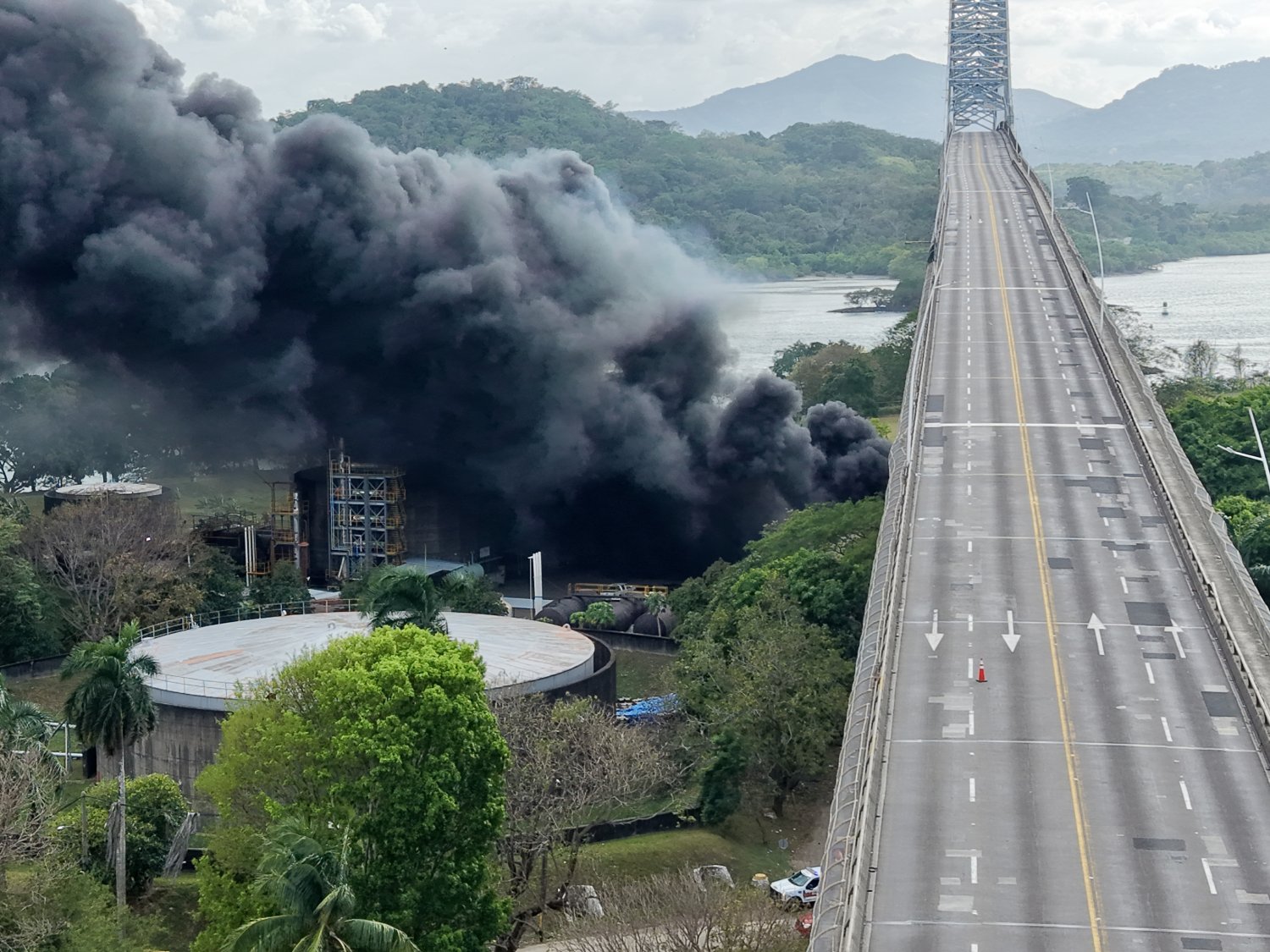
Panama needs to be better prepared to respond when critical infrastructure fails, according to Apede, which pointed to a serious weakness exposed by recent events involving the Puente de las Américas. The concern centers on how public and private institutions coordinate when essential systems are disrupted. Apede said the situation revealed a broader problem: there is no clear set of rules defining how state entities and private companies should work together during crises affecting key infrastructure.
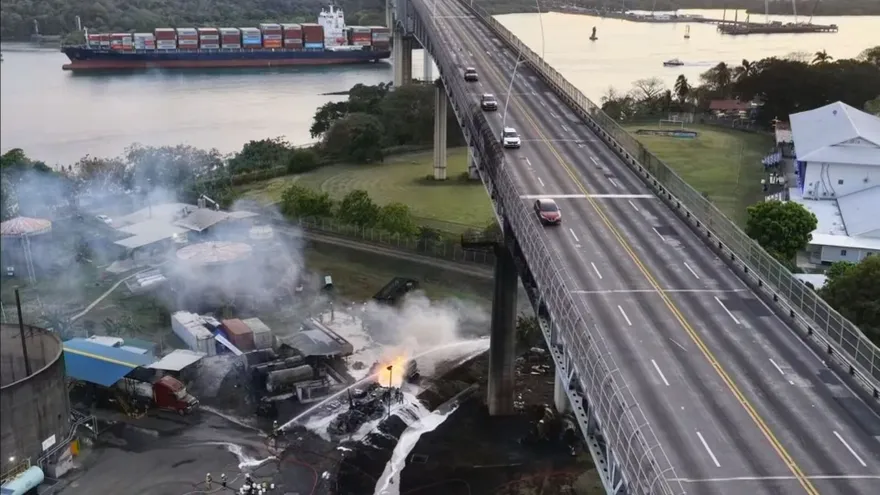
That gap can slow decision-making at the exact moment when fast coordination is most needed. In a country where major roads, bridges and other strategic assets support daily movement and economic activity, a failure in one critical point can quickly create wider consequences. Clear procedures help determine who acts first, who communicates with the public, and how responsibilities are divided among the institutions involved. Without an established framework, emergency responses can become fragmented.

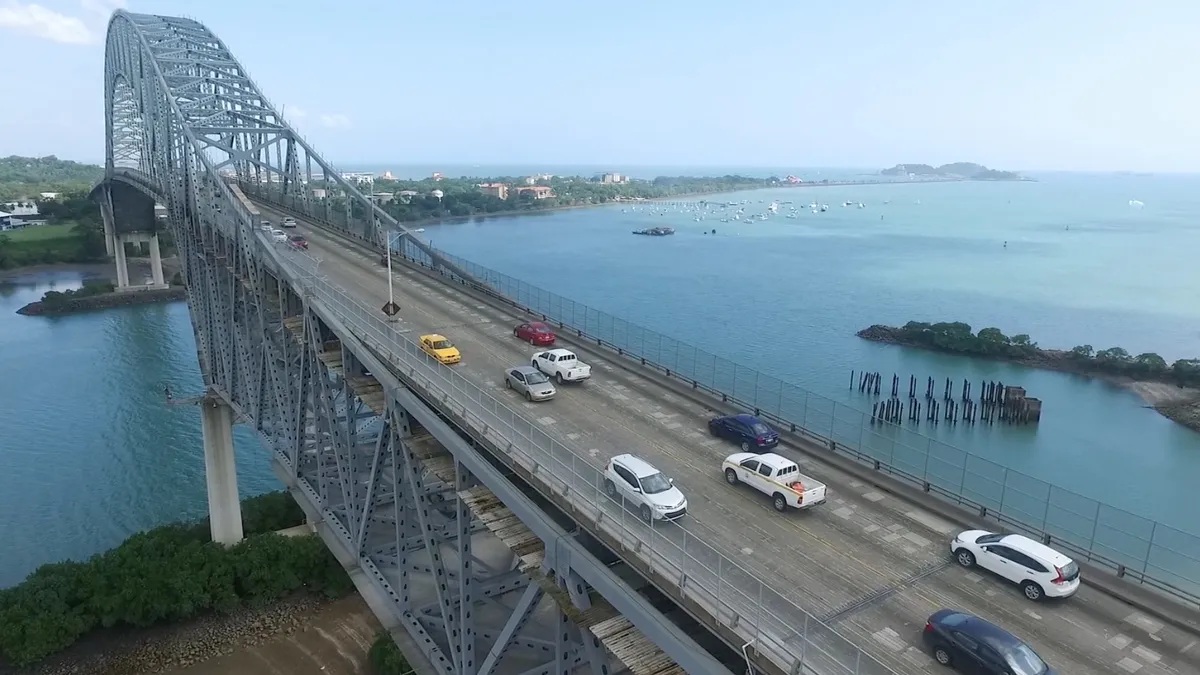
That can complicate traffic management, delay repairs, and increase uncertainty for drivers, businesses and other users who depend on essential infrastructure functioning properly. The Puente de las Américas is one of Panama’s most recognizable transport links and remains an important part of the country’s road network. Any disruption involving the bridge naturally raises questions about maintenance, resilience and the readiness of authorities to handle an incident without confusion.
Apede’s warning points to a need for clearer coordination protocols before another disruption occurs. The issue is not limited to one bridge; it speaks to the country’s overall ability to respond to failures in assets that are central to mobility, commerce and public safety. The comments add pressure for stronger crisis management planning across Panama’s infrastructure system.
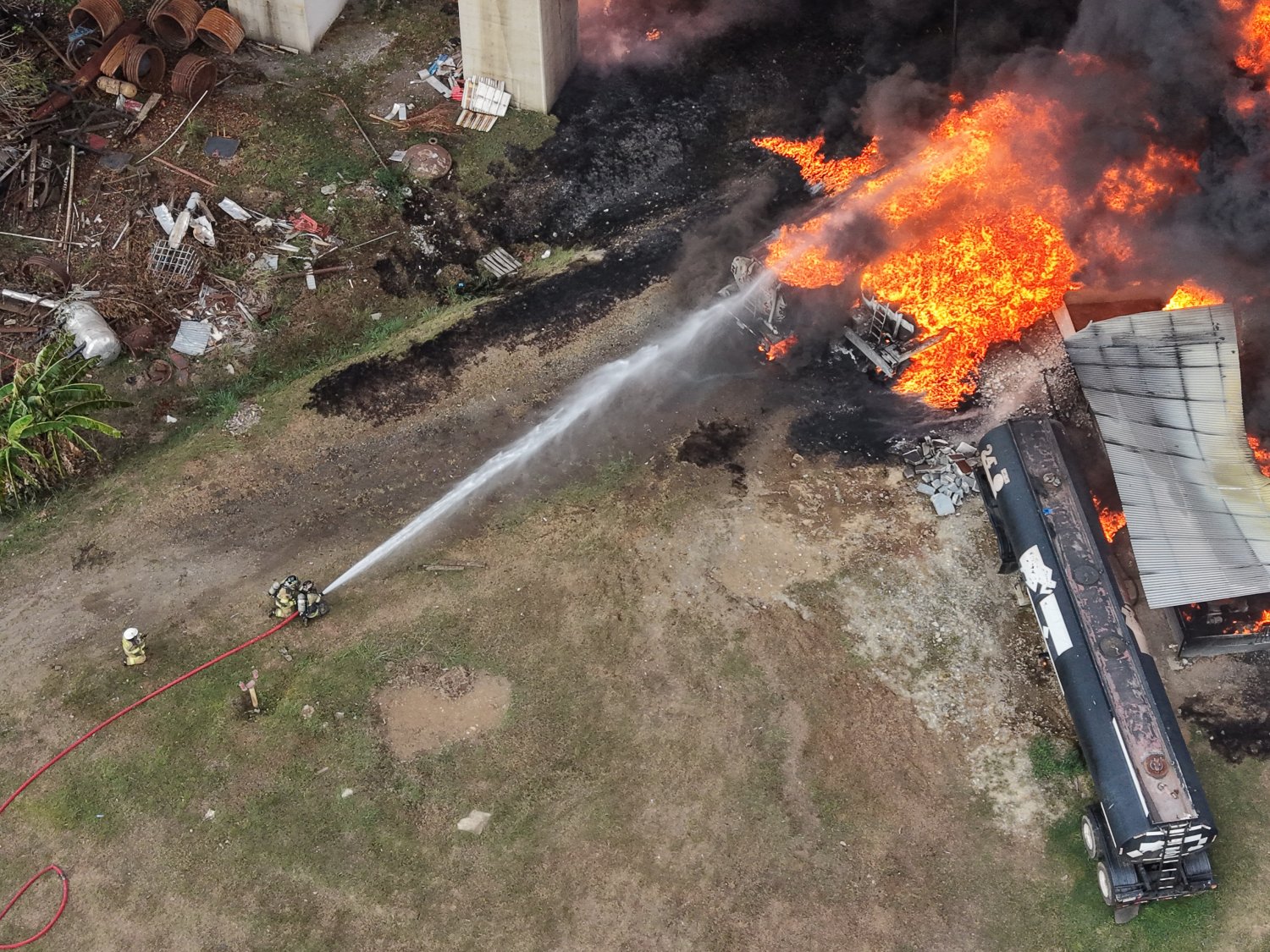
Establishing clearer rules for cooperation between public and private actors could improve response times and reduce the impact of future disruptions. For Panama, the message is straightforward: critical infrastructure requires not only construction and maintenance, but also a reliable emergency framework that can be activated immediately when something goes wrong, regardless how old the bridge or other infrastructure may be.

APEDE is the Asociación Panameña de Ejecutivos de Empresa (Panamanian Association of Business Executives), a prominent, non-profit organization of business leaders and professionals in Panama founded in 1958. It promotes private enterprise, sustainable development, and economic growth through annual forums, including the influential CADE (Conferencia Anual de Ejecutivos).
Key details about APEDE include:
- Mission: It seeks to strengthen the free enterprise system, acting as a voice for the business sector to promote economic and social development.
- Leadership: As of 2026, the president is Giulia de Sanctis.
- Structure: Comprised of executives, professionals, and entrepreneurs, it operates with several regional chapters, including Colón and Panamá Oeste.
- Activities: Organizes over six annual forums and the CADE conference to debate national policies, technology, and economic strategy.
- Initiatives: Collaborates with government entities, such as the Superintendency of Banks (SBP), on initiatives like financial education.
APEDE plays a critical role in shaping public policy debate and advocates for competitiveness and high-quality employment in Panama.