The Growth of Competitive Gaming and the New Tools for Players
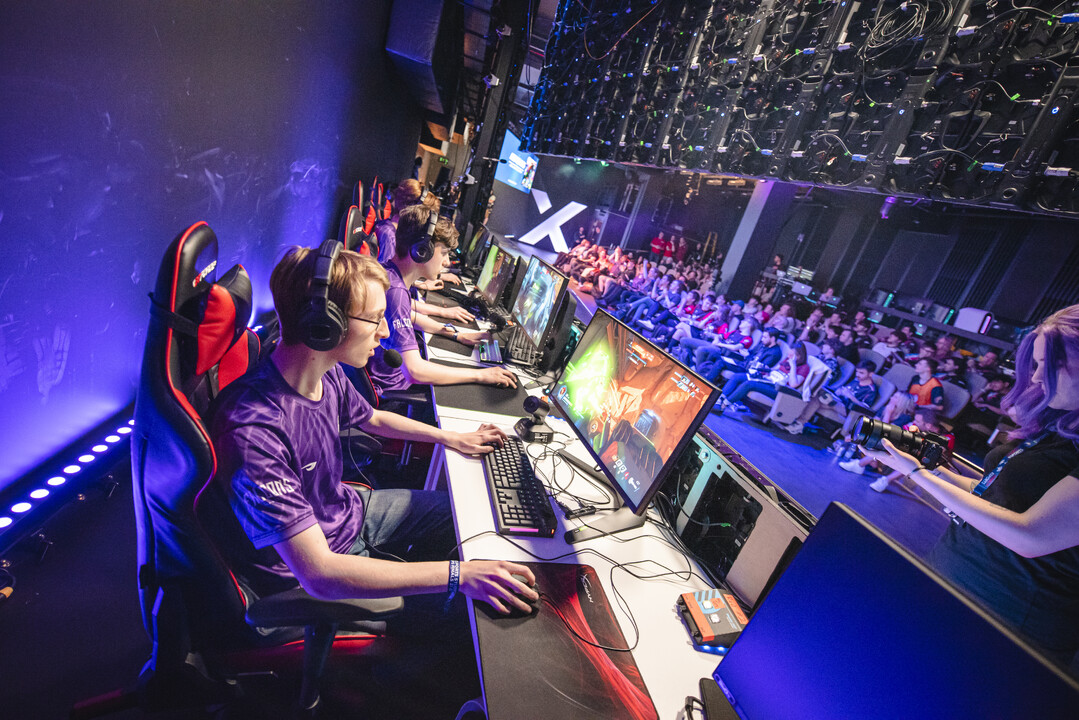
Over the past decade, competitive gaming has evolved from a small hobby shared among enthusiasts into a structured global activity with growing cultural and economic influence.
Latin America has emerged as one of its fastest-growing regions. Countries such as Brazil, Mexico, Argentina, and Chile have experienced a steady rise in organised tournaments, online leagues, and dedicated gaming communities.
Popular titles across different genres attract millions of viewers on streaming platforms, while local events increasingly draw live audiences. Improved broadband access, the expansion of mobile gaming, and the growing influence of content creators have all contributed to the rapid development of competitive gaming in the region.
What once consisted mainly of informal community competitions has grown into a structured environment supported by sponsors, professional management, and international visibility.
As competitive ecosystems mature, players are increasingly turning to digital platforms and performance-focused solutions to sharpen their skills and maintain a competitive edge. Training applications, analytics dashboards, replay-review software, and hardware optimisation resources are now widely used among serious players.
Platforms such as Lavicheats — herramientas digitales para jugadores competitivos form part of this broader digital landscape, reflecting how technology continues to intersect with structured preparation.
While tools and services differ in purpose, the overall trend highlights a move toward systematic improvement and data-informed performance within gaming communities.
The Professionalisation of Competitive Play
The expansion of competitive gaming has brought higher organisational standards. Many teams now operate with structured management similar to traditional sports organisations, including coaching staff, analysts, performance advisors, and marketing teams.
Contracts, sponsorship agreements, and scheduled training routines are increasingly common among established groups. This level of organisation reflects the growing recognition of competitive gaming as a serious pursuit rather than purely recreational entertainment.
Across Latin America, regional leagues and structured competitions provide pathways for player development. Amateur tournaments serve as entry points, while higher-tier circuits offer opportunities for advancement. International competitions further highlight regional talent on the global stage.
Data-Driven Performance Improvement
One of the defining characteristics of modern competitive gaming is the reliance on performance data. Players frequently analyse statistics to identify strengths and areas for improvement. Metrics such as accuracy, reaction speed, resource management, and decision-making efficiency are reviewed carefully to detect patterns. Instead of relying solely on instinct, many competitors adjust their strategies based on measurable performance indicators.
Replay analysis plays an important role in this process. Reviewing past matches allows players to identify positioning errors, missed opportunities, and communication breakdowns. In team-based environments, this analysis becomes more detailed, focusing on map control, timing strategies, and opponent tendencies. The ability to pause and review specific moments supports gradual refinement over time.
Hardware and Technical Optimisation
Beyond software tools, hardware improvements have significantly influenced competitive standards. High-refresh-rate monitors, low-latency peripherals, and optimised network configurations are commonly regarded as essential elements of competitive setups. Even small improvements in responsiveness can have a noticeable impact on in-game performance.
Players often dedicate time to adjusting sensitivity settings, calibrating display preferences, and fine-tuning graphical options to balance visual clarity and frame rates. These decisions are performance-driven, aimed at reducing distractions and improving reaction precision.
Reliable internet connectivity is equally important. Stable infrastructure reduces latency and packet loss, creating smoother gameplay experiences. As broadband access expands across Latin America, more players gain the stable connections required for consistent competitive participation.
Coaching and Strategic Development
Structured guidance has become more common within competitive gaming environments. Teams and individual players increasingly work with coaches to refine tactics, analyse opponents, and improve coordination. Practice sessions may include communication exercises, scenario simulations, and strategic reviews.
Success at higher levels depends on more than mechanical skill. Map awareness, teamwork, adaptability, and decision-making under pressure are equally important. Preparation often includes studying opponent tendencies, testing alternative strategies, and adjusting tactics based on evolving gameplay trends.
Mental performance is also receiving greater attention. High-stakes competitions demand focus, composure, and resilience. Techniques such as visualisation, breathing exercises, and structured routines are being incorporated into training processes to support consistent performance.
Accessibility Through Mobile Gaming
Mobile gaming has significantly broadened access to competitive play in Latin America. Popular titles that require less expensive hardware allow a wider range of players to participate without investing in advanced computer setups. This accessibility expands the talent pool and encourages broader engagement.
Mobile competitions now attract large audiences and substantial prize pools. As smartphone technology continues to improve, performance levels in mobile titles increasingly rival those seen in other gaming formats. Greater inclusivity strengthens the overall ecosystem by enabling participation across different economic backgrounds.
Industry Growth and Economic Impact
The expansion of competitive gaming has created opportunities beyond player earnings. Sponsorships, advertising partnerships, content creation, event management, and merchandising all contribute to the broader ecosystem. Streaming platforms provide additional income streams for skilled players and content creators.
Brands increasingly recognise gaming audiences as highly engaged digital consumers. This commercial interest drives investment in production quality, infrastructure, and long-term competition formats.
Additionally, the industry supports related career paths in broadcasting, graphic design, marketing, software development, and event coordination. Its growth reflects broader shifts in how digital entertainment is produced and consumed.
Maintaining Competitive Integrity
As new technologies and tools become available, maintaining fair competition remains essential. Tournament organisers typically establish clear guidelines regarding approved hardware and software usage to ensure equal conditions for all participants. Anti-cheat systems and transparent regulations are central to preserving trust among players and spectators.
Clear standards allow innovation and technological advancement while protecting competitive balance. This balance is crucial for long-term sustainability as the gaming landscape continues to evolve.
Looking Ahead
Competitive gaming continues to expand across Latin America and beyond. Ongoing investment in infrastructure, digital tools, and structured development suggests sustained growth in the coming years. As players gain access to increasingly sophisticated training resources and analytical platforms, performance standards are likely to continue rising.
The evolution of competitive gaming reflects a broader intersection of technology, strategy, and community engagement. Modern players prepare beyond the game itself, integrating data analysis, hardware optimisation, and structured practice into their routines. As digital tools continue to develop, they will play an increasingly visible role in shaping the next generation of competitive talent.
The growth of competitive gaming represents more than entertainment. It highlights how digital skills are refined, measured, and showcased within a rapidly evolving global environment.