
Plan Better, Relax More: A Stress-Free Smoky Mountains Getaway
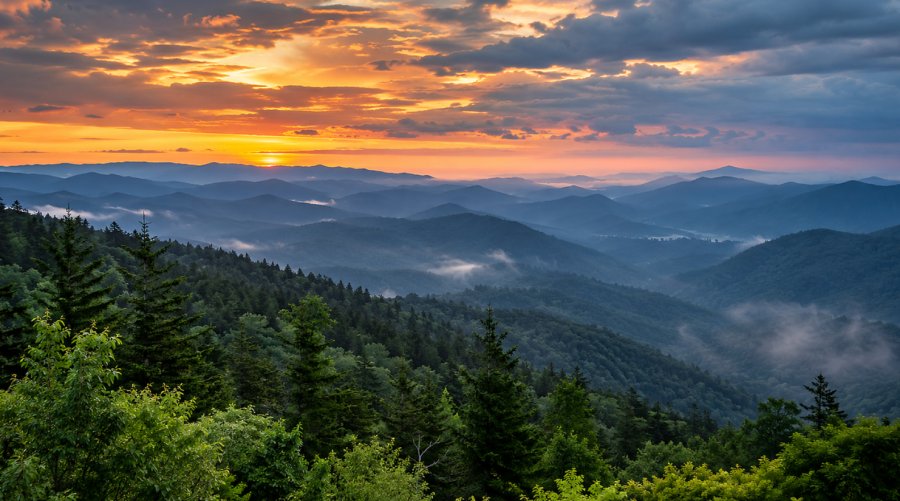
A memorable mountain getaway depends on more than a long list of attractions. The right schedule, a convenient place to stay, and realistic expectations can make the difference between a relaxing break and a tiring race from one stop to another. Pigeon Forge is a lively gateway to the Smoky Mountains, with family attractions, restaurants, scenic drives, and access to outdoor recreation. Because traffic, weather, and seasonal operating schedules can affect plans, a little preparation helps you enjoy the region without overloading every day.
Start With Your Daily Route, Not Just Your Wish List
It is tempting to choose every attraction first and work out the route later. Begin by grouping activities according to location and energy level.
If your plans include a major theme park, an evening attraction, and time in the national park, avoid treating them as three quick stops.
Choose a Stay That Supports the Whole Trip
The nightly rate is only one part of a lodging decision. Consider how far you will need to drive, how much room your group needs, and whether the property offers a comfortable place to unwind after a busy day.
When comparing camping sites in Pigeon Forge, look beyond the word “camping” and check the facilities that matter to your group. Camp RiversLanding is an RV resort set along the Little Pigeon River, with a location close to area attractions and restaurants. Its listed amenities include a pool and splash pad, playground, dog park, bathhouse, laundry facilities, picnic tables, fire rings, and river activities such as tubing and fishing.
Before booking, confirm the site type, hookups, seasonal facility schedules, pet rules, and any additional fees directly with the property.
Match the Schedule to Your Group’s Energy
A packed itinerary may look exciting when you are planning at home, but it can become exhausting once everyone is on the move.
Try alternating demanding activities with lighter ones. A day at a theme park could be followed by a relaxed morning, a riverside afternoon, or a scenic drive. If you plan a longer hike, keep the evening flexible instead of adding another timed attraction. A comfortable place to return to makes this approach easier.
The National Park Service notes that many visitors arrive between 10 a.m. and 11 a.m., while earlier or later starts can improve the chance of finding parking. Its traffic and travel tips are useful when deciding when to enter the park and how to prepare for congestion.
Check Park Access and Seasonal Conditions
Outdoor plans need a little more checking than indoor attractions because trail and road conditions can change. Do not rely on an old blog post or a saved itinerary for current access information. Before leaving, check official alerts for closures, weather-related restrictions, and parking requirements. Use the park’s current road, facility, and trail closure updates on the day of your visit.
Make Amenities Part of Your Planning
Amenities are not just extras to compare after choosing a site. They can shape how much you need to spend and how smoothly the trip runs. A pool, playground, laundry room, or convenient bathhouse may be especially valuable on a longer stay. For RV travelers, check the exact utility connections, site dimensions, surface, access, and parking arrangements before confirming a reservation.
Leave Space for Unplanned Discoveries
A well-planned trip should still leave room for spontaneous moments. You might find a scenic pull-off, spend longer than expected beside the river, or discover that your group would rather enjoy a slow breakfast than rush to the next attraction. Keep one block of open time in the schedule each day so these choices feel possible.
Check opening hours before setting out, especially during quieter seasons when some businesses may adjust their schedules.
Prepare for a Smoother Arrival
A few checks before departure can prevent avoidable stress. Save the property’s address and check-in instructions, confirm arrival times, and make sure you understand where to park or set up your RV. If you are bringing equipment, verify that it fits the site and that you have the required supplies.
If you plan to visit the national park, check whether your vehicle needs a parking tag.
Make the Stay Work for You
The best Smoky Mountains getaway is not necessarily the one with the most attractions squeezed into each day. It is the one that gives your group time to enjoy the places you came to see and enough breathing room to enjoy being away. Plan routes sensibly, check current conditions, choose lodging for its practical benefits, and build rest into the itinerary.
With realistic plans and a little flexibility, you can experience the energy of the area while still returning each day to a setting where you can slow down and recharge.