Docks in Panama Could Become Marine Observatories.
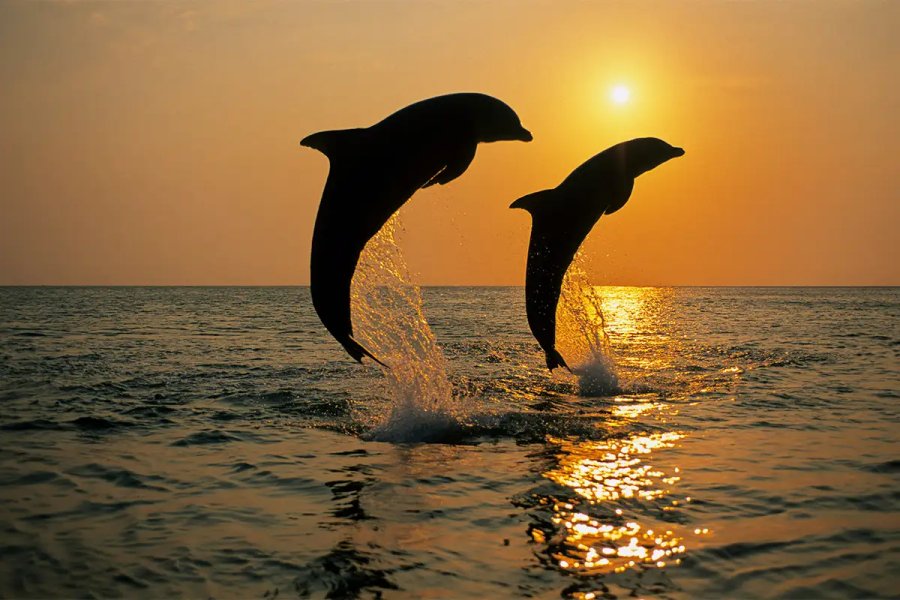
Panama’s docks could be transformed into scientific observation points to gather information on ocean conditions and support decision-making by coastal communities, fishermen, and businesses. The proposal was put forward by businessman Giuseppe Cicatelli, who believes the existing facilities could be repurposed to develop monitoring projects under the supervision of specialists.
Cicatelli, founder and principal of Bacalia Group and CEO of Grand Caribbean Marinas, explained that the initiative seeks to connect coastal infrastructure with research needs, without replacing the work of scientific institutions already operating in the country.
The proposal involves using docks and other coastal facilities to place instruments capable of recording certain water conditions, provided that the researchers consider that these places are suitable for making the measurements.Among the variables that could be studied, depending on the identified needs, are:
- Water level variations.
- Sea temperature.
- Certain water quality indicators.
- Conditions that may influence the operation and maintenance of coastal facilities.
However, Cicatelli clarified that the selection of equipment would depend on the objectives of each investigation.
The businessman noted that his experience operating marinas in Puerto Rico has allowed him to identify the importance of having information to plan investments, maintenance, and improvements to the facilities. Cicatelli acknowledged that Panama has institutions that conduct research on ocean conditions.
Among them, he mentioned the Smithsonian Tropical Research Institute, whose physical monitoring program includes ocean temperature sensors on the Caribbean and Pacific coasts, as well as water quality monitoring activities in Panama Bay and Bocas del Toro.
For this reason, he explained that his proposal does not seek to create a parallel structure, but to explore how coastal facility operators could complement existing programs.
At the moment, the initiative is in a proposal stage and does not have an approved budget, a formalized alliance, or an announced execution date. Cicatelli believes that the first step should be to establish a dialogue between researchers, communities and coastal facility operators to identify specific needs.
Based on that exchange, a pilot project could be designed with a limited number of stations, defined responsibilities, and evaluation criteria. It would also be necessary to determine who would authorize access to the facilities, who would be in charge of maintaining the instruments, and how the results would be validated and shared.
The businessman emphasized that private sector participation could include logistical support, access to facilities, or financing, always under agreements that guarantee scientific independence.