
Anxiety Relief Devices: The Safe Alternative to Calming Pills
Anxiety rarely waits for a convenient moment. A 2025 preliminary clinical study published in JMIR Neurotech found that low-intensity ultrasound stimulation of the vagus nerve meaningfully reduced anxiety symptoms in participants with elevated Beck Anxiety Inventory scores. That single finding sums up why anxiety relief devices have moved from niche gadgets to mainstream wellness tools in the span of a few years.
What Are Anxiety Relief Devices?
At a basic level, anxiety relief devices are tools built to calm the nervous system through touch, pulse, or gentle current – not chemistry. No pill dissolving in the stomach, no compound working its way into the bloodstream. Just direct contact with a nerve or a pattern of stimulation the body already recognizes as safe.
That’s the whole draw, really. Nothing to metabolize, nothing that lingers the next morning, no slow taper if someone wants to stop. Anyone who’s dealt with anxiety before walking into a meeting or right as a plane starts taxiing knows that thirty seconds can matter more than thirty minutes.
Why the Interest Has Grown So Fast
This didn’t happen overnight, and it didn’t happen by accident either. Vagus nerve research has been quietly building momentum for a couple of years now, expanding well past its original use in epilepsy and treatment-resistant depression.
Take the Lai et al. trial from 2025 – 60 participants with Generalized Anxiety Disorder, split between real stimulation and a sham version, results tracked and compared. The active group came out ahead. That’s the kind of data the wellness industry has historically lacked: something closer to a clinical trial than a testimonial page.
How Anxiety Relief Devices Work on the Body
Most of these tools target one shared mechanism: switching on the parasympathetic nervous system, the branch responsible for slowing the heart rate and easing the body out of “fight or flight.” How they get there, though, varies quite a bit.
Below is a quick comparison of the three main categories currently used in anxiety relief devices.
| Device Type | How It Works | Best Suited For |
| Vagus nerve stimulation | Gentle electrical pulses to the neck or ear | Acute anxiety spikes, panic moments |
| Tactile touch therapy | Rhythmic vibration at the wrist or ankle | Ongoing daily stress, sleep support |
| Biofeedback / breathing pacers | Tracks heart rate variability, guides breathing | Long-term stress pattern awareness |
Vagus Nerve Stimulation: The Fast-Acting Option
Can a device really calm a racing heart in under a minute? For vagus nerve stimulation, the answer appears to be yes, according to the latest studies.
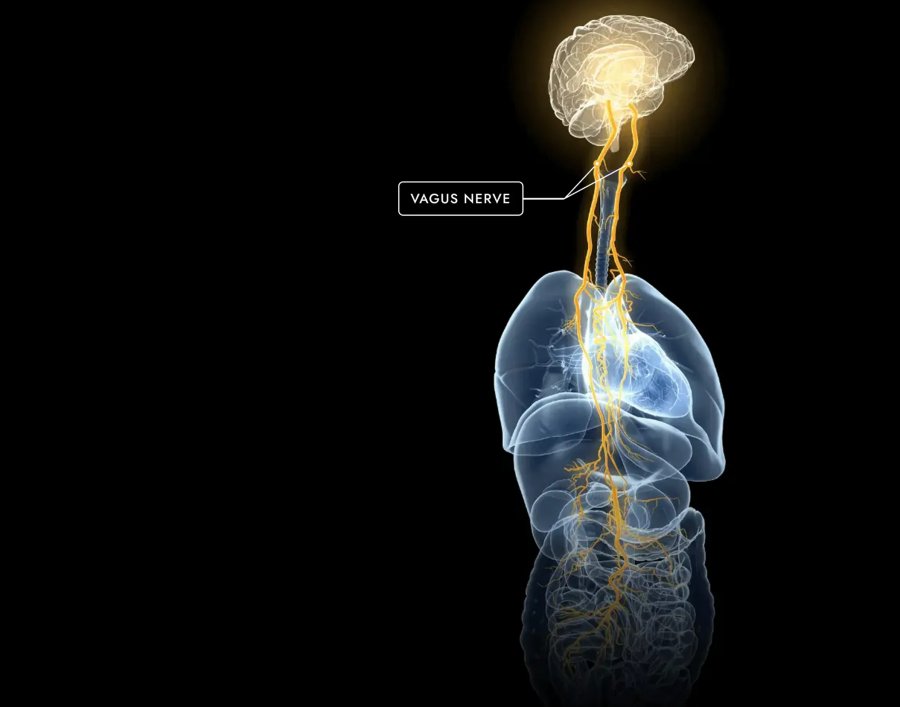
The vagus nerve runs from the brainstem through the neck and into the chest, acting as a direct line between the brain and internal organs. Stimulating it (even lightly) can slow heart rate and interrupt the physical symptoms of panic almost immediately.
Some tools in this category are worn on the neck for continuous, low-level stimulation throughout the day. Others skip the all-day wear entirely – press it to the neck or ear for under a minute, and that’s it. No routine, no daily habit to keep up with, just something reached for when things get bad enough to need it. That’s really the selling point of a handheld anxiety relief device: it sits in a bag or a desk drawer doing nothing until the one moment it’s needed.
Tactile Touch Therapy: Calm Through Rhythm
Not every effective anxiety relief device relies on electrical current. Tactile touch therapy uses alternating, rhythmic vibration on the skin – sometimes called bilateral stimulating touch – which mimics the kind of sensory input the body naturally associates with safety.
These devices are usually worn as bands on the wrist or ankle, making them better suited for ongoing stress management than for sudden panic. People often wear them overnight or during demanding workdays, reporting a steadier mood and better sleep over weeks of use.
Biofeedback and Breathing Pacers: Data-Driven Calm
Pro tip: if progress tracking matters more than instant relief, biofeedback tools are worth a closer look.
These devices monitor heart rate variability, or HRV – a well-established marker of how well the body handles stress – and respond with guided breathing or gentle haptic cues. Some connect to apps that adjust the pacing over time based on personal data. This category tends to suit people who like measurable results over purely subjective ones.
Anxiety Relief Devices vs. Calming Pills
The comparison between anxiety relief devices and traditional medication usually comes down to three things: speed, side effects, and dependency risk.
- Onset time: Devices can act within seconds to a minute; oral medication typically takes 20–60 minutes to take effect.
- Side effects: Devices carry minimal to no sedation risk; sedative medications often cause drowsiness or grogginess.
- Withdrawal risk: Devices carry none; certain anti-anxiety medications carry documented dependency and withdrawal concerns with long-term use.
None of this means devices are a full replacement for medication when it’s medically prescribed. It means they fill a gap medication doesn’t cover well – quick, situational relief without a chemical trade-off.
Choosing the Right Anxiety Relief Device
Picking a device usually comes down to matching the tool to the actual problem, not just buying whatever has the most reviews.
Someone dealing with sudden panic during the day has different needs than someone whose main issue is anxiety disrupting sleep. A handheld anxiety relief device works well for the first scenario. A wearable band or biofeedback tool suits the second.
Who Should Be Cautious
Devices using electrical stimulation, including most vagus nerve tools, aren’t recommended for people with pacemakers or existing cardiac conditions without medical clearance first. This isn’t a minor footnote – it’s a genuine safety consideration worth taking seriously before purchase.
It’s also worth remembering that anxiety relief devices are sold and regulated as wellness tools, not medical treatments. They can reduce the physical intensity of a stress response, but they aren’t a diagnosis-level intervention for clinical anxiety disorders on their own.
Are Anxiety Relief Devices a Good Alternative?
Calming pills aren’t going away, and for many people, they remain medically necessary. But anxiety relief devices offer something genuinely different: fast, drug-free relief backed by a growing body of the latest clinical research, without the grogginess or dependency risk tied to long-term sedative use.
None of this requires committing to a whole system right away. One decent device – a handheld option is probably the easiest entry point for anyone dealing with occasional stress spikes rather than constant background anxiety – is usually enough to figure out whether the approach even works for a given person. From there, it’s mostly a matter of paying attention to what the body actually does with it..
Frequently Asked Questions
Do anxiety relief devices actually work, or is it placebo?
The latest clinical trials, including the JMIR-published ultrasound study and the Lai et al. GAD trial, reported measurable symptom reduction beyond placebo response, though sample sizes remain relatively small and more research is ongoing.
How fast does a handheld anxiety relief device work?
Most handheld vagus nerve devices report noticeable calming effects within 30 to 60 seconds of use, largely due to direct stimulation of the vagus nerve rather than a chemical process.
Are anxiety relief devices safe for daily use?
For most healthy adults, yes. People with pacemakers or cardiac conditions should consult a doctor before using devices with electrical stimulation.
Can anxiety relief devices replace anxiety medication?
Not for diagnosed anxiety disorders under active treatment. They’re best used as a complementary, drug-free tool for situational stress and acute anxiety moments.