

How Panama’s Coffee Culture Is Adapting to Changing Consumer Preferences
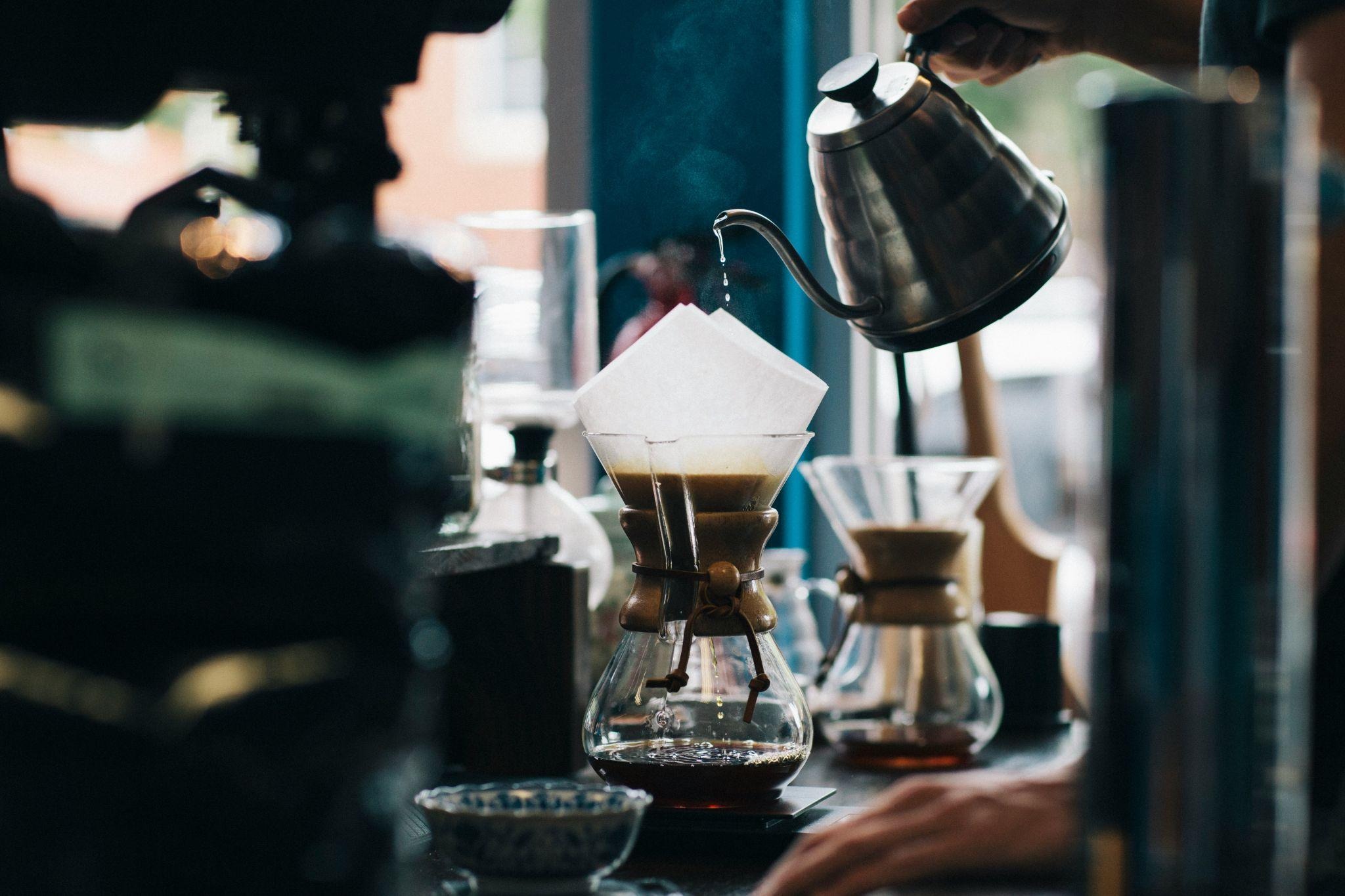
Panama has developed an international reputation for producing some of the world’s most distinctive specialty coffees. From the mountainous growing regions of Boquete and Volcán to the cafés of Panama City, coffee plays an important role in the country’s agricultural heritage, tourism industry, and everyday social life.
However, consumer preferences are changing as coffee drinkers explore new flavors, preparation methods, and beverage experiences. Traditional brewing remains popular, but interest in specialty varieties, alternative ingredients, and personalized drinks is creating opportunities for businesses throughout the industry.
These developments influence how cafés design their menus, how producers present their products, and how customers approach their daily coffee routines.
Understanding these changes reveals how Panama’s established coffee traditions can coexist with contemporary trends, allowing local businesses to appeal to experienced enthusiasts and curious newcomers alike.
Alternative Coffee Drinks Are Attracting Curious Consumers
Traditional coffee remains central to Panama’s café culture, but consumers increasingly appreciate having different beverage options. Specialty lattes, cold brews, plant-based milk alternatives, and flavored preparations have introduced greater variety into everyday menus.
Functional mushroom coffee has also attracted attention internationally, particularly among customers interested in exploring ingredients beyond conventional roasted coffee beans.
Coffee enthusiasts who want to find out how to make mushroom coffee can discover preparation techniques and ingredient combinations that introduce a distinctive variation to familiar coffee routines.
For adventurous drinkers, experimenting with different blends can become an enjoyable extension of their interest in coffee.
Panamanian cafés can respond to changing preferences by offering creative beverage selections alongside traditional espresso drinks and locally grown specialty coffees.
This combination allows businesses to celebrate established coffee traditions while welcoming customers interested in discovering something different.
Panama’s Specialty Coffee Reputation Remains a Major Advantage
Panama occupies an important position in the international specialty coffee industry, particularly because of its high-quality Arabica production and internationally recognised Geisha varieties.
Growing regions around Boquete and Volcán benefit from mountainous landscapes and climatic conditions that support distinctive coffee characteristics.
The country’s reputation has been strengthened by competitions such as the Best of Panama, which showcase exceptional coffees and attract international buyers.
For consumers, this reputation creates opportunities to explore different flavor profiles and learn how growing conditions influence the finished beverage.
Specialty cafés increasingly emphasize information about coffee origins, processing methods, and individual farms.
This approach can transform an ordinary café visit into an educational tasting experience.
By highlighting the characteristics of locally produced beans, Panamanian businesses can maintain strong connections with their agricultural heritage while meeting growing international interest in premium coffee.
Younger Customers Are Influencing Café Experiences

Changing consumer expectations involve more than the beverages themselves. Younger customers often consider atmosphere, convenience, and social experiences when selecting where to enjoy coffee.
Modern cafés may combine comfortable seating, attractive interiors, reliable internet access, and convenient takeaway services.
These features appeal to students, remote workers, and professionals who appreciate spaces suitable for both social interaction and individual activities.
Digital menus and mobile payment options can also make ordering more convenient.
Visual presentation has become another important consideration, particularly as customers share café experiences through social media.
Creative drink presentations, distinctive cups, and attractive surroundings can contribute to a café’s recognizable identity.
However, the strongest businesses continue to emphasize quality coffee and welcoming service as the foundation of the customer experience.
Combining these established priorities with contemporary expectations allows cafés to remain relevant to different generations.
Cold Coffee Beverages Suit Panama’s Tropical Climate
Panama’s warm climate creates natural opportunities for cafés to develop refreshing beverage selections.
Iced lattes, cold brew coffee, and espresso-based refreshments can appeal to customers looking for enjoyable alternatives to traditional hot drinks.
Cold brewing has attracted attention because it produces a distinctive flavor profile through extended extraction using cool or room-temperature water.
Cafés can experiment with different beans, serving styles, and complementary ingredients to develop recognizable signature drinks.
Fruit-inspired flavors may also complement Panama’s tropical identity, giving businesses opportunities to create beverages that feel connected to their surroundings.
Presentation and consistency are especially important when introducing new recipes.
Carefully measured ingredients help ensure customers receive the same enjoyable experience during repeated visits.
Offering both hot and cold preparations allows cafés to accommodate varied preferences while making the most of Panama’s climate and local culinary influences.
Coffee Tourism Connects Visitors With Local Producers
Coffee tourism offers another opportunity for Panama’s industry to respond to evolving consumer interests.
Visitors increasingly seek experiences that reveal where products originate and how they are prepared.
In regions such as Boquete, coffee farm tours provide opportunities to explore plantations, observe production processes, and participate in guided tastings.
These activities help visitors appreciate the work involved in cultivating, harvesting, processing, and roasting coffee.
For local producers, tourism introduces additional opportunities to communicate their stories and establish direct relationships with customers.
Specialty cafés can support this connection by featuring beans from identifiable farms and explaining their distinctive characteristics.
Tourism experiences also encourage appreciation for regional traditions and agricultural knowledge.
By connecting coffee production with memorable travel activities, Panama can strengthen its position as a destination for visitors interested in exceptional food and drink experiences.
Balancing Innovation With Panama’s Coffee Traditions
As consumer preferences evolve, Panamanian coffee businesses face the challenge of introducing new experiences while preserving the qualities that established their reputation.
Innovation can involve developing beverages, improving customer service, experimenting with roasting techniques, or exploring different retail formats.
At the same time, traditional cultivation methods, producer expertise, and regional identities remain important strengths.
Businesses can maintain this balance by building menus around quality Panamanian coffee while introducing selected options that reflect contemporary preferences.
Clear communication about sourcing and preparation also helps customers understand the value behind their purchases.
Ultimately, Panama’s coffee culture is not abandoning its traditions. Instead, it is becoming more diverse as producers, cafés, and consumers discover new ways to appreciate a familiar beverage.
By combining agricultural heritage with creativity and changing customer expectations, Panama’s coffee industry can continue attracting local enthusiasts and international visitors while celebrating the distinctive coffee culture that makes the country remarkable.