
Puerto Baru Back in the News.
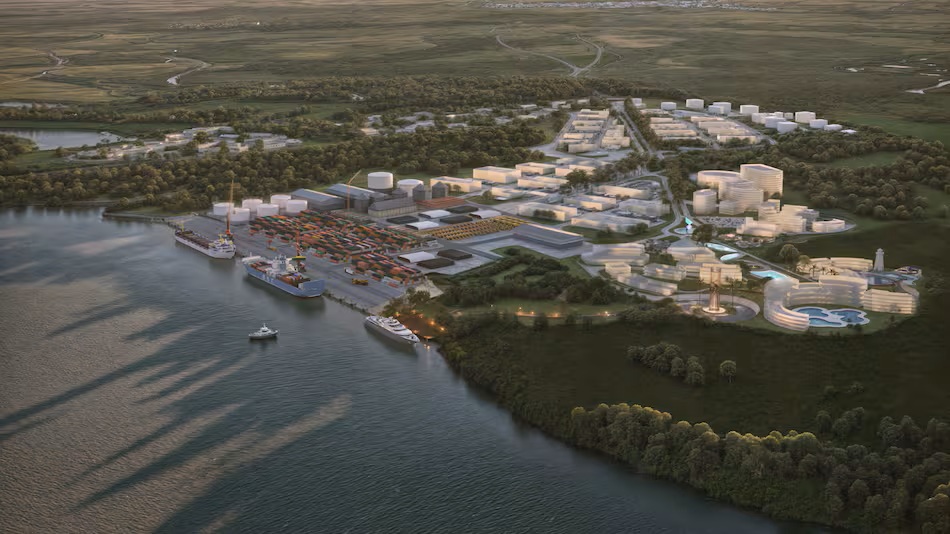
Puerto Barú in David is a $250 – $260 million dollar private multi-purpose green port project just south of the city of David in the Chiriquí Province of Panama. Promoted by Ocean Pacific Investments and funded entirely by U.S. capital, it marks the largest private investment in Chiriquí’s history. The project aims to serve as a sustainable logistics, agribusiness, and tourism gateway for western Panama. The megaproject aims to strengthen the logistics network of western Panama, increase direct commercial connectivity with international markets, and boost the competitiveness of the region’s agro-industrial, business, and export sectors.
In a major win for the developers, Panama’s Third Chamber of the Supreme Court formally declared the port’s Category III Environmental Impact Assessment (EIA) legal, dismissing a lawsuit brought by activist groups. The court ruled that the project layout does not overlap with protected areas and upheld the approval of the Environmental Impact Assessment. The ruling by the highest court determined that the plaintiffs failed to substantiate the alleged legal violations and confirmed that there is no overlap between the port development and the protected mangrove areas, thus dismantling the main legal obstacle that was preventing the start of the project.
Local environmental coalitions—including the No a Puerto Barú campaign, continue to vehemently object. They warn that the extensive 31-kilometer navigation channel requires aggressive dredging through the Mangroves of David (home to 25% of Panama’s mangroves), risking wildlife displacement, water salinization, and marine habitat disruption.
Now that the legal appeal was dismissed, the company confirmed that the project will continue to move forward marking the beginning of a new stage of economic reactivation and job creation in the province. The regulatory framework environmental provisions and commitments made to the competent authorities will be strictly followed.
The developers maintain that Puerto Barú will operate on 100% renewable energy (via local solar parks) and dedicate over 30% to 42% of its footprint directly to conservation corridors and botanical gardens.
With its major judicial hurdles cleared, construction phase targets anticipate initial operations beginning between the first and second quarters of 2028.