The Small Producer Who Plays in the Big Leagues of Coffee. World of Coffee will Return to Panama in 2029.
They highlight the enthusiasm and large turnout at the World of Coffee in Panama this year.
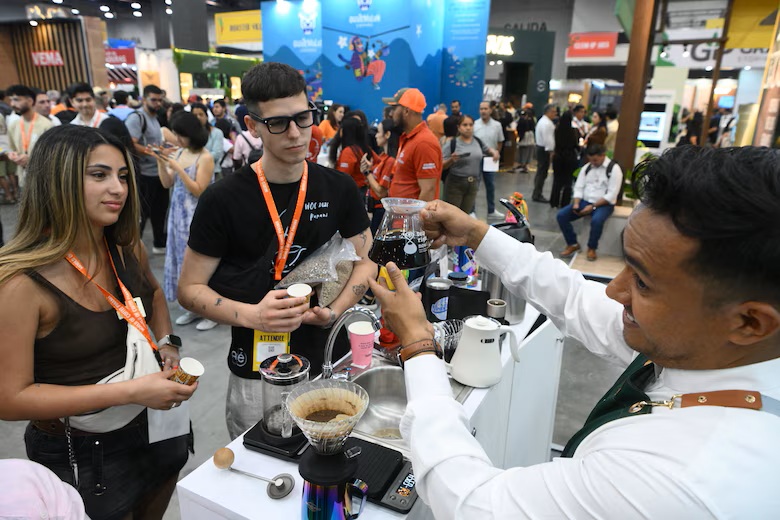
Panama will host World of Coffee again in 2029. The confirmation was made by Yannis Apostolopoulos pictured below, executive director of the Specialty Coffee Association (SCA), during an interview with news media in the context of the 2026 edition, which was held at the Panama Convention Center until October 25. “We will return to Panama in 2029 and we are very excited,” Apostolopoulos stated. “The energy is very positive and the event is packed,” he added.
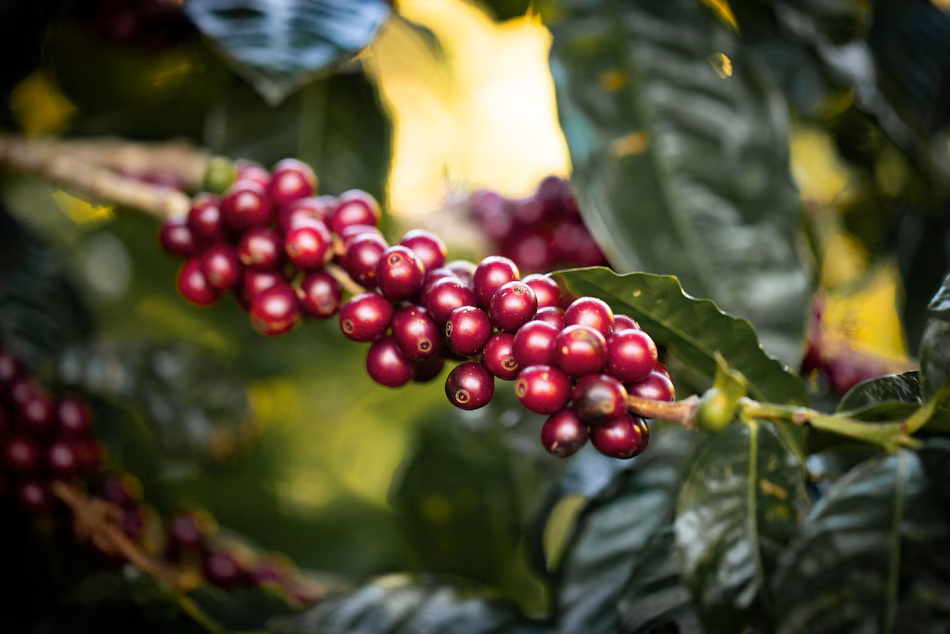
The return of World of Coffee to Panama in 2029 will allow for a broader conversation about Panamanian coffee, with Geisha pictured above, as the crown jewel, the most internationally recognized variety. The meeting also puts on the world radar other varieties, processes and sensory profiles that show the diversity and potential of the country’s specialty coffee farming. This 2026 event was a demonstration of the scale that an event like this can reach, but also of Panama’s ability to become a meeting point for the industry.
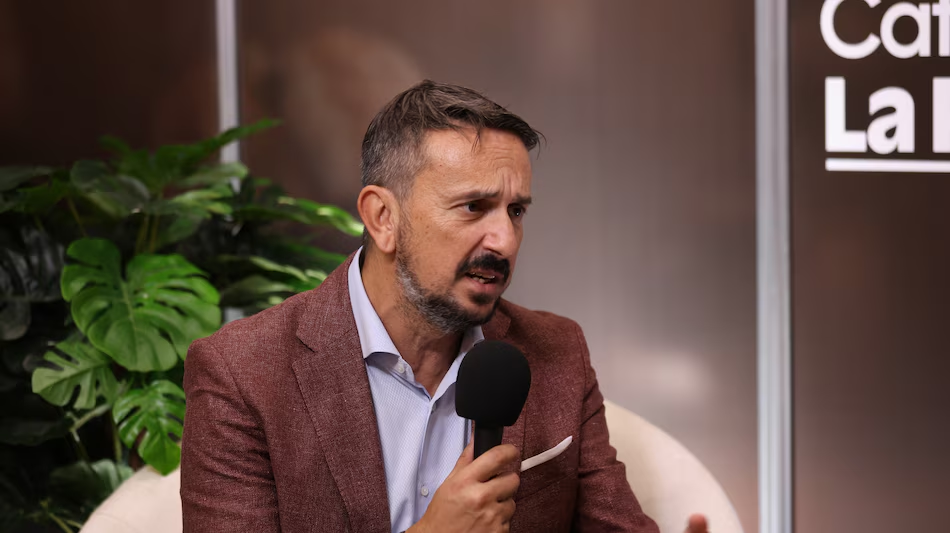
Yannis Apostolopoulos is pictured above, CEO of the Specialty Coffee Association. Yannis highlights the global positioning of Panamanian coffee, warns about the risks producers take, and poses the challenge of winning over young consumers.
More than 300 exhibitors brought together producers, buyers, roasters and other players in the supply chain to establish business relationships, discover new origins and suppliers, exchange technical knowledge, present innovations and analyze the trends that are transforming the global coffee market.

The 2026 event marked World of Coffee’s arrival in Latin America and placed Panama at the center of business contacts, trade fairs, and global meetings in an industry where the country has managed to build an international reputation that goes beyond its size and production volume.

For Apostolopoulos, Panama’s success lies in having transformed single-origin coffee into a brand capable of generating “exceptional” value. Geisha coffee, along with other coffees from the country, has helped position Panama among the premium benchmarks in the world market.
Panamanian Geisha stands out for its unique and complex sensory profile, with floral notes and an elegance that have made it one of the most recognized and valued coffees in the world.
The executive believes that this reputation depends not only on the characteristics of the beverage and the land where it is grown. Behind every cup are producers who dedicate their lives to achieving unique flavor profiles and offering experiences that distinguish Panamanian coffee. “What I like most is the passion and dedication of its producers to make Panamanian coffee unique,” he said.
The international recognition and the prices that some specialty coffees reach raise a fundamental question for the industry: how is the value generated distributed along the chain and what part reaches those who produce the bean? Apostolopoulos believes that producers bear a significant proportion of the risks of the business, in a context marked by climate change, socio-economic difficulties and political factors.
What is the Main Challenge for Producers?
“Producers take on more risk than any other link in the value chain. That is the real challenge for the industry,” he replied. In his view, the sector needs to work together to find mechanisms that allow for a better distribution of value and to compensate those who are most exposed to these risks.
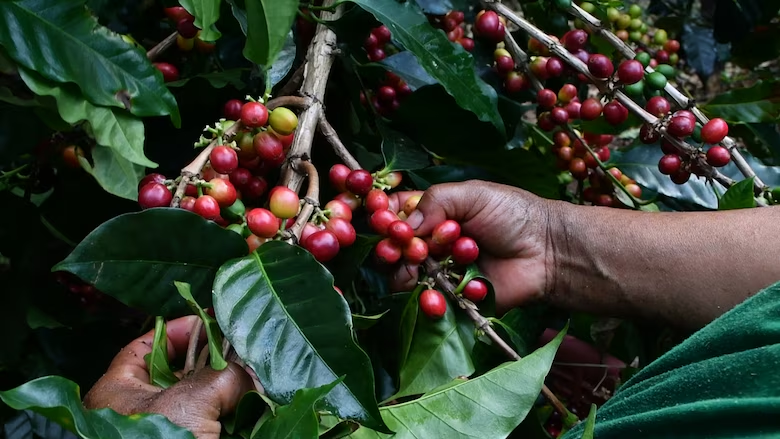
Geisha Coffee Cultivation in the Highlands of Chiriquí.
This concern is not new in his discourse. In 2025, during an interview on The 5th Wave podcast, Apostolopoulos also focused on who bears the risks in the industry and who is compensated for them. In that conversation, he also addressed the SCA’s efforts to promote a more sustainable, equitable, and resilient industry through research, standards, and education. According to the executive, this transformation should benefit all participants in the chain, from producers to other professionals involved in the marketing and preparation of coffee.
An Industry that Seeks to Connect with Young People.
The future of specialty coffee also depends on its ability to attract new generations. Apostolopoulos observes a shift in how young consumers engage with beverages and seek out experiences. Coffee competes with other alternatives to provide energy, but it also has the opportunity to differentiate itself through its origin, its preparation methods, its flavors, and its possibilities for combination with food. “We want to get consumers excited about coffee. We want them to come and explore specialty coffees,” he explained.
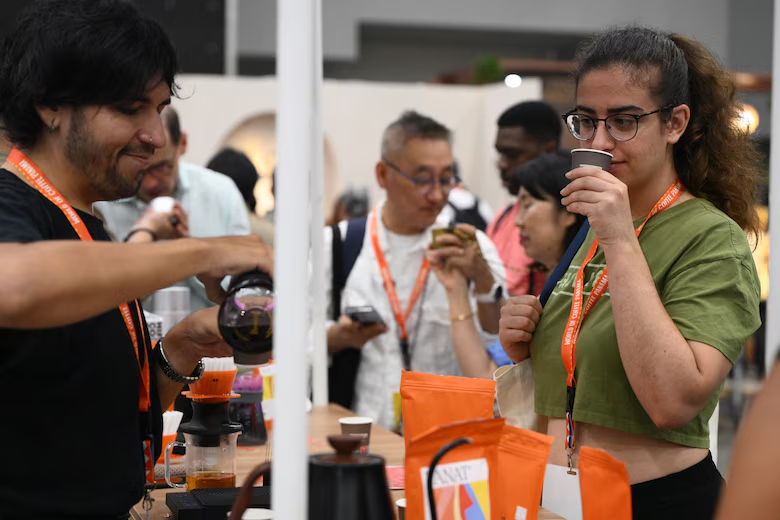
Coffee Drives an Economy from Producer to End Consumer.
In that scenario, specialty coffee can play a central role in innovation, provided it manages to transcend the everyday cup and become part of the culture and identity of consumers. Apostolopoulos believes that every approach to coffee can reveal something different. From filter brewing to more elaborate recipes, the techniques and processes used by producers expand the possibilities of discovering new flavor profiles. His experience at the Best of Panama tastings over the past few years has allowed him to observe this evolution. Each edition, he noted, offers new flavors and experiences, driven also by the work done in processing the beans.
82%
According to a Verenastreet survey, a large percentage of consumers would be willing to pay more for sustainably produced coffee.
180.2
The estimated global consumption is millions of 60 kg bags.
70%
Consumers prepare their coffee at home.
For Panama, the challenge will be to maintain that capacity to innovate and sustain the value of its origin in an increasingly demanding global market. The next edition of World of Coffee in the country, scheduled for 2029 as confirmed by the executive, will once again place the Panamanian industry before an international audience.

Coffee drives a huge global market (189.7 million 60kg bags, equivalent to 11.3 million tons), fueled by ever-growing demand and increasingly interested consumers focused on origin and sustainability. In that scenario, Panama produces a small fraction of the coffee consumed by the world, but it has achieved something much greater than its volume: becoming an international benchmark for the quality and uniqueness of its coffees.