
More Water Contamination in Veraguas Province Panama.
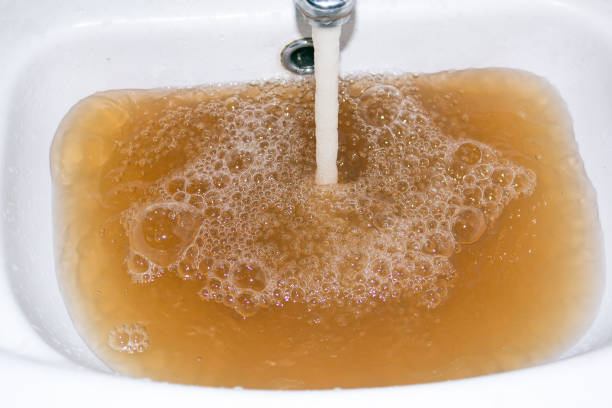
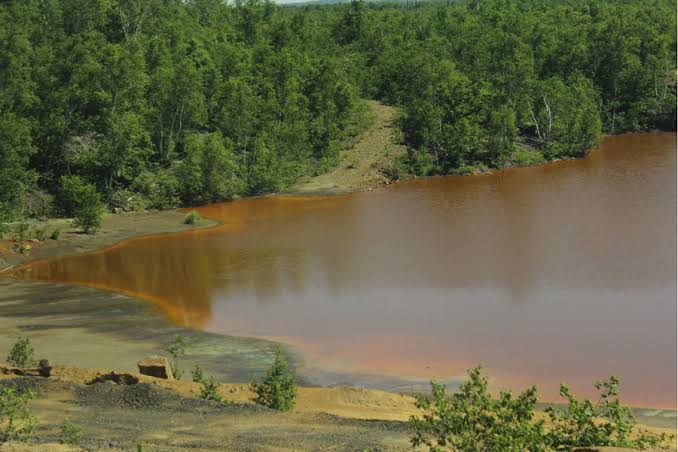
The Ministry of Health (Minsa) analyzed water samples in communities in Veraguas, and fecal coliforms have been detected. This in addition to the landslide at Remance mining area where open tailing ponds remained after the mine closed down. The material discharged from the collapsed tailing infrastructure flowed down the slopes and entered the Quebrada Veneno (Veneno Creek), heavily polluting the water used by nearby communities.

The findings of the fecal coliforms led authorities to implement corrective measures in drinking water supply systems, with an emphasis on communities that rely on rural gravity-fed aqueducts and wells. The presence of these microorganisms in specific samples prompted the strengthening of actions to improve the sanitary conditions of the water and reduce the risks of bacteriological contamination.
The areas under monitoring include La Mina, La Cuesta, La Gorda, Llano Grande, Palmarito, Las Peñitas, Utiria, Naranjal and Los Hernández , according to the Ministry of Health. As part of the measures, technical teams verified the operation of in-line chlorinators and the use of chlorine tablets in the water supply systems. They also conducted training sessions with members of the rural aqueduct management boards (JAAR) on prevention and proper operation of these facilities.

Regarding the water supply of the city of Santiago, the Ministry of Health received a report from the National Institute of Aqueducts and Sewers (IDAAN) on the verifications carried out at the intake of the Santa María River, which supplies the Santiago de Veraguas water treatment plant. The document indicates that the evaluated parameters showed no alterations that would directly link the Remance event to any impact on that water intake. However, the report identified variations in some water quality parameters, so monitoring efforts are ongoing.