Before Your Panama Gym Opens, Get These Facility Details Right
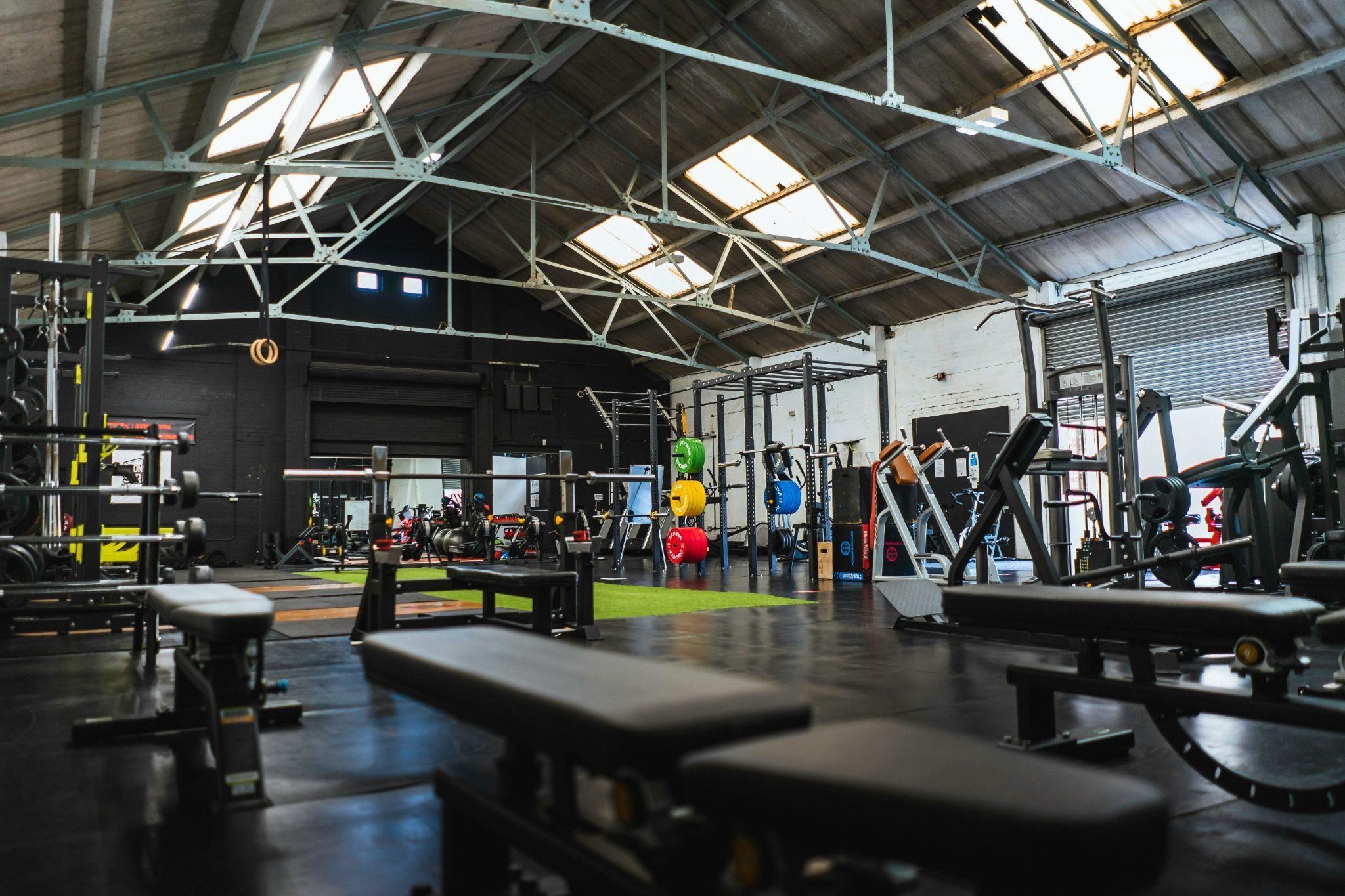
Opening a gym is not just about choosing machines, laying rubber flooring, and selling memberships. Members quickly notice whether the facility feels comfortable, clean, reliable, and easy to use, even when they cannot explain exactly what is wrong.
In Panama, heat, humidity, heavy rain, and the demands placed on air conditioning and electrical systems can make facility planning especially important. A gym that looks polished on opening day can become frustrating if the power setup struggles, floors stay dirty, changing rooms feel damp, or equipment is packed too tightly together.
The best time to solve those problems is before memberships begin growing. Spending more attention on infrastructure, cleaning routines, airflow, layout, and maintenance early can prevent small facility weaknesses from becoming the reasons members start considering another gym.
Make Power Reliability Part of the Gym Plan
A modern gym depends heavily on electricity. Air conditioning, lighting, cardio equipment, access systems, Wi-Fi, music, security cameras, and point-of-sale equipment may all be operating simultaneously during busy periods.
That makes backup and energy planning worth considering from the beginning. Owners researching storage options for solar or other energy systems may look at lithium iron phosphate batteries as part of a broader approach to keeping essential systems supported and making better use of available energy.
Before buying equipment, map out the electrical demands of the entire facility. A row of treadmills can consume significantly more power than a free-weight area, while air conditioning may represent another major load. Planning circuits, outlets, and future expansion early is far easier than trying to add capacity once walls are finished and machines are already installed.
Control Heat and Humidity Before They Affect the Experience
A workout should feel challenging because of the training, not because the room itself is uncomfortable.
Air conditioning needs to be planned for a space filled with moving people and heat-producing equipment rather than treated like cooling for an ordinary retail unit. Airflow matters too. Even when the temperature looks acceptable on a thermostat, areas with weak circulation can feel noticeably warmer and more humid.
Changing rooms require particular attention because showers, wet towels, and frequent use can introduce even more moisture. Good ventilation, surfaces that are easy to clean, and practical storage can help the area feel fresher throughout the day.
Do not wait for members to complain before checking problem areas. Walk through the gym during the busiest hours and pay attention to corners where air feels stagnant, odors linger, or condensation appears. Those are facility problems, not simply housekeeping issues.
Keep Rubber Flooring Looking Like an Asset
Rubber gym flooring is practical because it can handle weights, equipment, and heavy foot traffic, but it still needs a consistent cleaning process.
Dust, sweat, chalk, tracked-in moisture, and residue can gradually leave the surface looking dull and feeling unpleasant underfoot. Facility managers building a maintenance routine can use information from SweepScrub when considering appropriate methods for keeping rubber gym floors clean without turning every cleaning shift into a major project.
High-traffic areas deserve more frequent attention than quiet corners. Entrances, free-weight zones, cardio areas, and spaces around popular machines usually accumulate dirt faster than the rest of the facility.
Cleaning schedules should also match membership patterns. A floor that looks fine at 6 a.m. may look very different after the evening rush. Building quick checks into the day can prevent the gym from reaching closing time looking neglected.
Give Equipment Enough Room to Be Used Properly
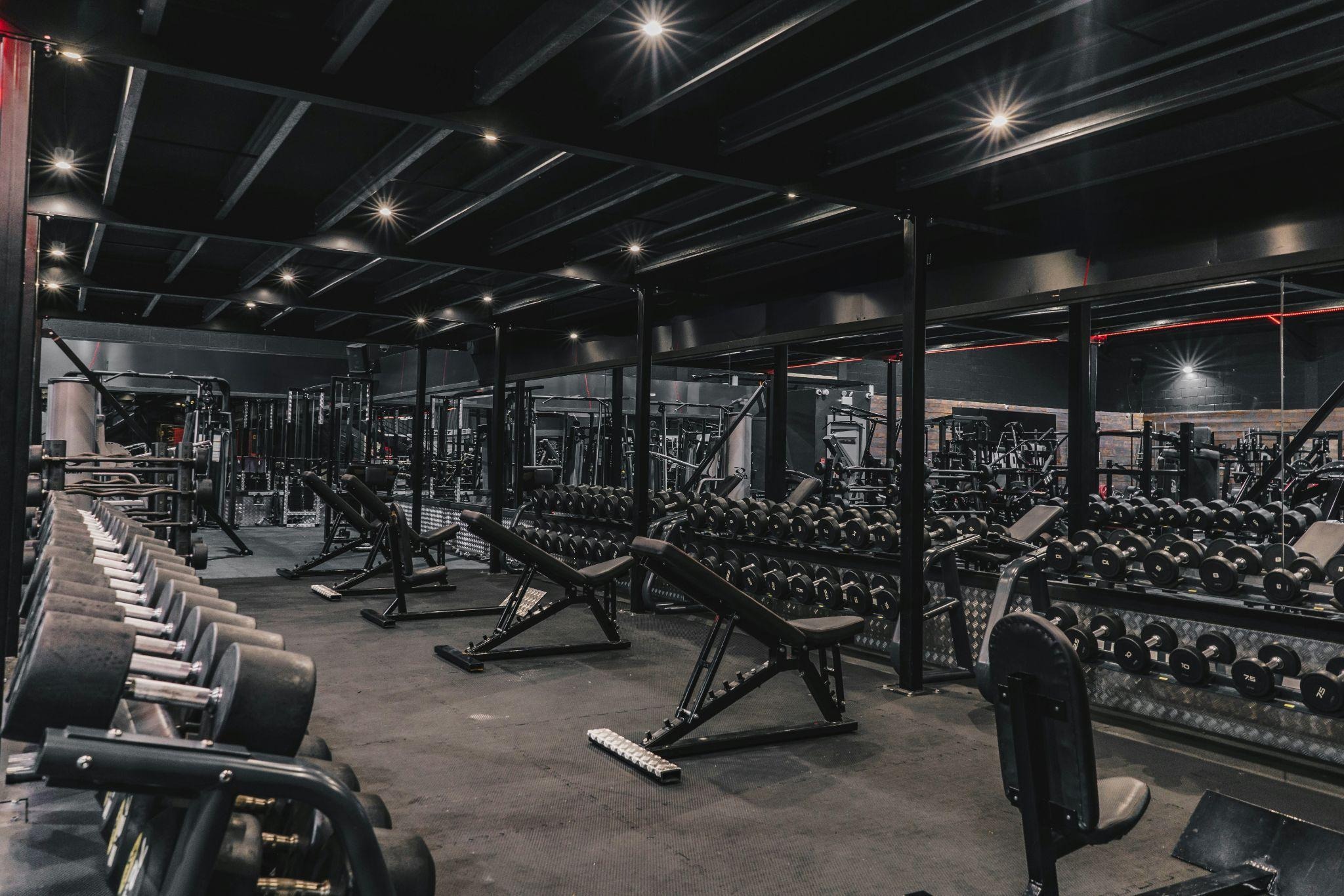
Buying more machines does not automatically make a gym better.
Overcrowded layouts create awkward movement, make cleaning harder, and leave members waiting for someone else to finish before they can safely access equipment. The problem becomes especially noticeable around benches, racks, cable stations, and free-weight areas where people need space to move.
Plan the room according to how members will actually use it. Walk the path between machines, imagine the busiest hour of the day, and check whether someone carrying dumbbells would need to squeeze past another person exercising.
Storage should be built into the same plan. Plates, kettlebells, mats, resistance bands, and attachments need obvious places to return to. When storage is inconvenient, equipment ends up scattered across the floor.
A slightly smaller equipment list with better spacing often creates a stronger experience than a room filled with machines simply to make the gym appear larger.
Stop Locker Rooms From Becoming the Weakest Part of the Facility
Members may spend only a few minutes in a locker room, but those minutes strongly influence how clean and professional the entire gym feels.
Provide enough hooks, benches, lockers, and dry areas so belongings do not end up covering the floor. Showers should drain properly, and cleaning staff need easy access to corners where water and residue tend to collect.
Ventilation is especially important. Damp towels, wet floors, and enclosed spaces can quickly create unpleasant odors when air is not moving adequately.
Cleaning schedules should reflect usage rather than rely on one major cleanup at the end of the day. Busy gyms may need regular checks for water on floors, empty dispensers, overflowing bins, and other small issues that can appear within an hour.
A well-maintained locker room makes the entire operation feel more trustworthy.
Build Maintenance Into the Budget From Day One
Equipment eventually needs servicing, flooring wears, air-conditioning systems require attention, and small repairs never stop appearing.
These costs should not be treated as unexpected problems. They are part of operating the facility.
Create a maintenance schedule for major equipment and keep records of repairs rather than waiting until something breaks completely. Members are much more forgiving of a machine being temporarily unavailable when the rest of the facility clearly feels well maintained.
Keep some budget available for small improvements too. Replacing damaged padding, repairing a loose locker door, improving lighting, or adding storage may not be exciting expenses, but they protect the overall quality of the gym.
Facility problems tend to become expensive when they are ignored.
Test the Gym Like a Member Before Opening
Before the first full week of memberships, use the facility exactly as a customer would.
Enter through the front door, check in, change clothes, complete a workout, refill a water bottle, use the restroom, and leave. Do the same during different times of day.
Look for friction. Is the entrance confusing? Are there enough outlets and charging points? Can members find cleaning supplies? Does music become too loud in one section and barely audible in another? Are water stations positioned where people naturally need them?
Small problems are easiest to fix before hundreds of members begin experiencing them every week.
A successful gym is not remembered only for its equipment. Members return because the entire facility works: the temperature is comfortable, the power is dependable, the floors are clean, equipment is easy to access, and changing areas feel cared for.
Get those fundamentals right before opening, and the gym has a much stronger foundation for keeping members once the excitement of launch day disappears.