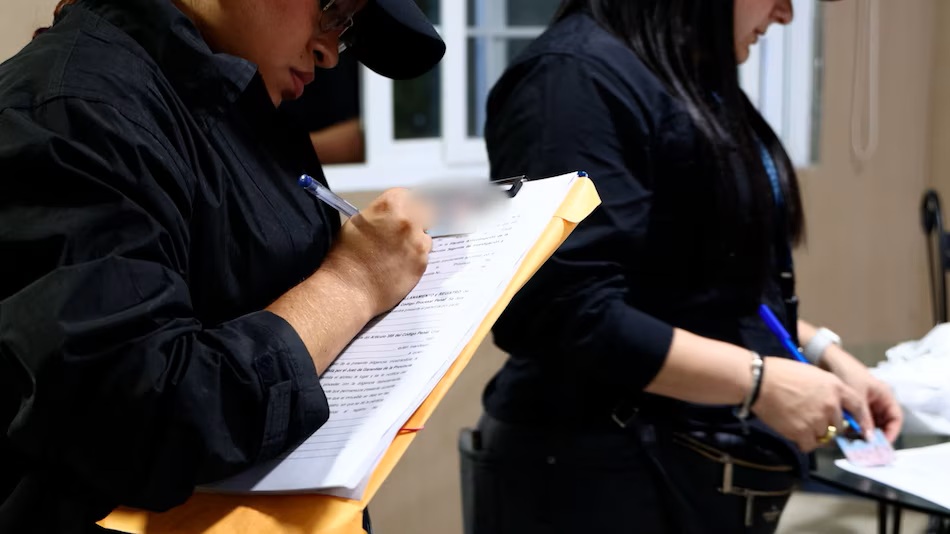
‘It’s Either Them Or Us’ Warns Mulino who Calls the Coiba Prisoners ‘Sinister Characters’.
From left to right: Juan Carlos Orillac, Minister of the Presidency; Frank Ábrego, Minister of Public Security; and José Raúl Mulino, President of the Republic. Here, no one is above the law. And if an official in my government commits a crime, they will be arrested. There are no privileged or blessed individuals here,’ the president stated.
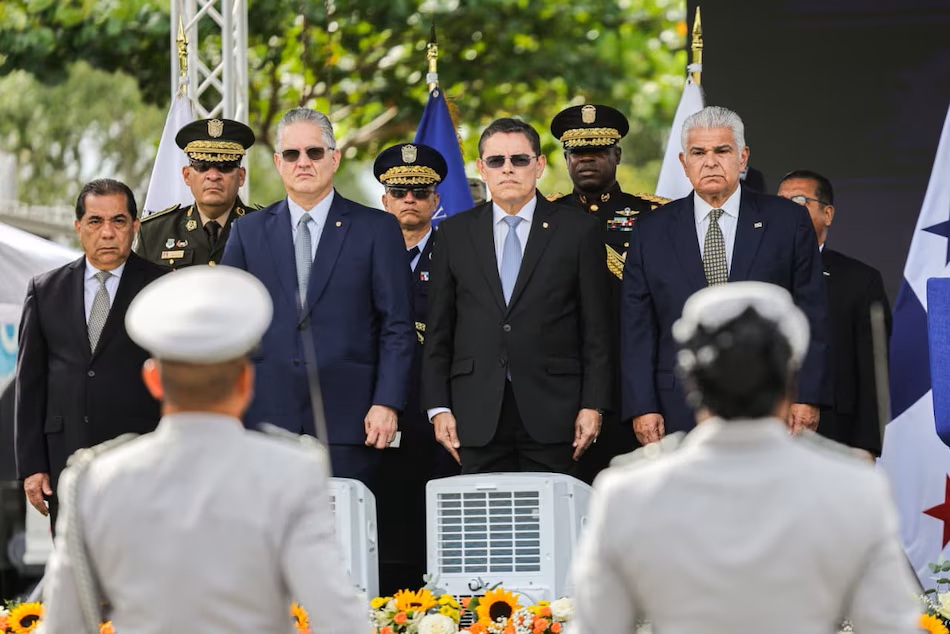
At the graduation ceremony for 774 new police officers, President José Raúl Mulino once again defended the transfer of high-risk prisoners to the National Aeronaval Service (Senan) base in Coiba and labeled the lawyers, defenders and “opinion-makers” who question that decision as having a “coordinated reaction”. “There’s a popular saying that goes, ‘Just beat the pig and the owner will appear.’ And that’s precisely what happened with the transfer of high-profile criminals to Coiba,” the president stated before the 103rd graduating class of the National Police, nicknamed “Legionnaires,” who recently graduated from the President Belisario Porras Higher Police Institute.
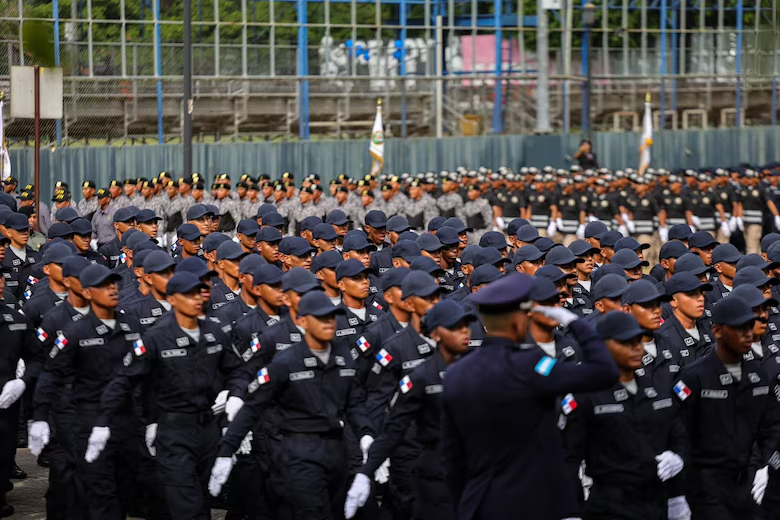
Graduation of new National Police officers.
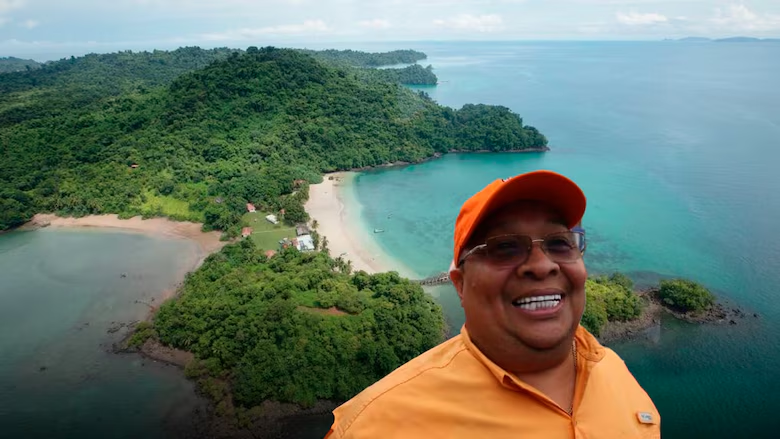
“Defenders, lawyers and indignant commentators appear as if a reverend mother of the church had been arrested,” he added. Last Sunday, June 14, 29 inmates classified as extremely dangerous were transferred to Coiba pictured below, a former penal colony that had been closed more than two decades ago.
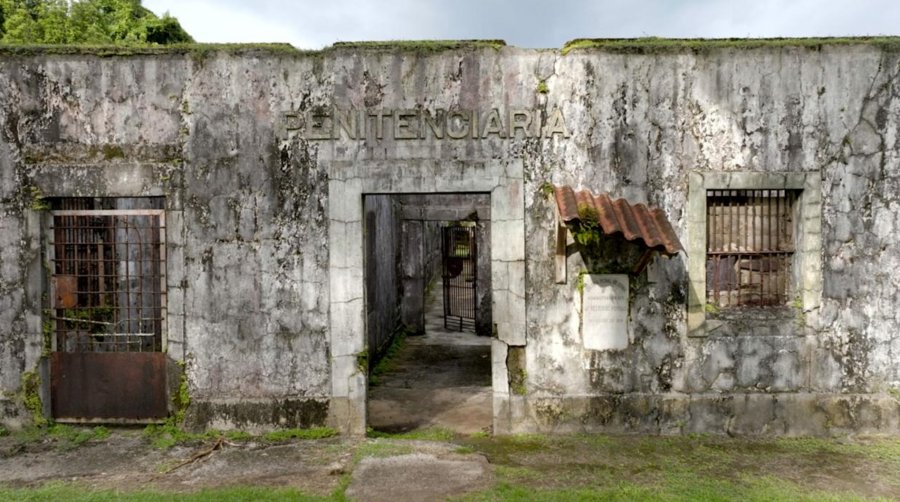
That group included Juan Vicente Blandford, alias Jancin, identified as part of a network that contaminated containers with drugs. Enrique Candanedo, alias Chino, a member of a gang from Pedregal, sentenced to 50 years in prison for the murder of a police officer and a civilian. José Cossio, from the Calor gang, serving a 74-month prison sentence for drug trafficking, among others. The Ministry of Public Security then justified the transfer due to “vulnerabilities” detected in Punta Coco, another island prison, from where, according to the government, the inmates coordinated illicit activities.
The New Guests.
The 29 inmates arrived in June. In August, three more were transferred: the former mayor of Colón, Alex Lee, and the representative and treasurer of the Barrio Norte community board, Javier Lynch and Orlando Salazar, respectively. Neither Lee, Lynch, nor Salazar have final convictions; all three are being held in pretrial detention by order of a judge. Shortly after the transfer of the three men from Colón, Mulino said that “everyone in Coiba has a direct connection to drug trafficking” and that the isolation aims to prevent inmates from continuing to “direct, plan, and organize the sale, distribution, and murders to preserve their illicit business empire.”
Alex Lee is charged with the alleged crime of embezzlement.
“This administration is about more than just high-profile drug traffickers being sought, pursued, and captured in just two years of government,” he stated at the time, and described the measure as “a necessary strategy to begin curbing crime on the streets, which still maintains high levels.” The president also referred to a discussion that, he said, continued over the weekend regarding prisoners’ rights and “excessive controls” in prisons.
Where Do the Rights of the Victims Stand?
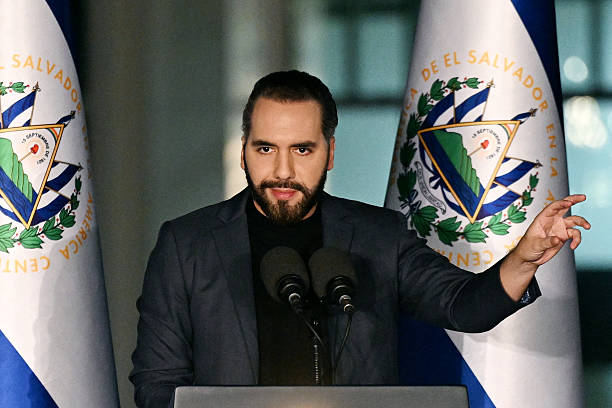
At the graduation ceremony at the National Police on Monday, Mulino called for the rights of victims. “I don’t think it’s reasonable to focus the discussion solely on that [the rights of detainees], forgetting those who suffered from the crime,” he questioned. He warned that presenting criminals as victims “will send the wrong message,” and cited El Salvador, governed by Nayib Bukele pictured below, as an example. “Successful cases like El Salvador were not based on treating prisoners as victims, but on enforcing the law rigorously and firmly.” The president also defended his government’s appointments. “We appoint professionals in health, education, and security, which is what society demands. If they are against that, then they should say so,” he stated.
Then, he returned his speech to the topic of security. “With me, Panama will not be subservient to drug trafficking,” he asserted, and recalled that the isthmus is part of “a group of countries that firmly confront crime” not for ideological reasons, but “for a reason of survival.” He recalled that he works “in an integrated manner” with his colleagues Luiz Inácio Lula da Silva of Brazil. Claudia Sheinbaum of Mexico. Abelardo de la Espriella of Colombia. Luis Abinader of the Dominican Republic. Daniel Noboa of Ecuador. And there are other to “curb drug trafficking, gangs and the power they wield, including through social media and campaigns that seek to discredit the State’s actions to combat it”. He insisted that gangs “cannot be won by negotiating or defeated by opening spaces for dialogue,” but rather “with force, with arrests in accordance with the law, with isolation, and with the determination of a State that is not willing to back down.”
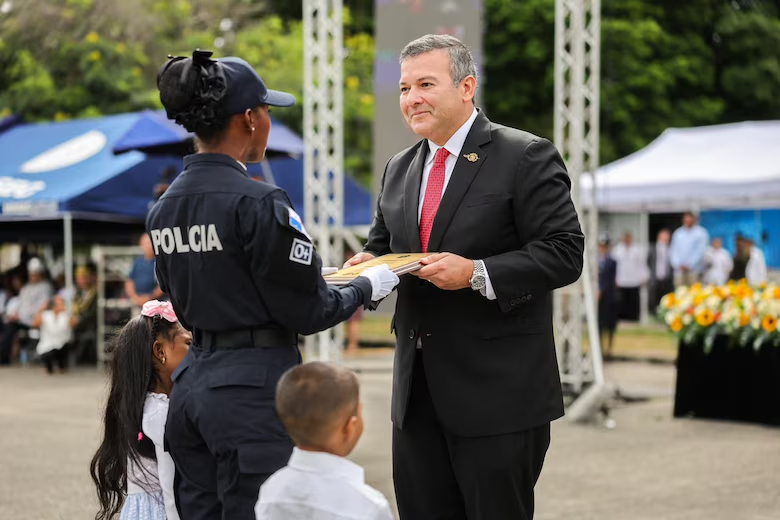
Jaime Fernández, director of the National Police, with a female officer.
“It’s them or it’s us,” he argued. “Here, no one is above the law. And if an official in my government commits a crime, they will be arrested. There are no privileged or blessed individuals here,” he stated, and thanked the citizens “who support us, who report wrongdoing, and who provide us with information.”
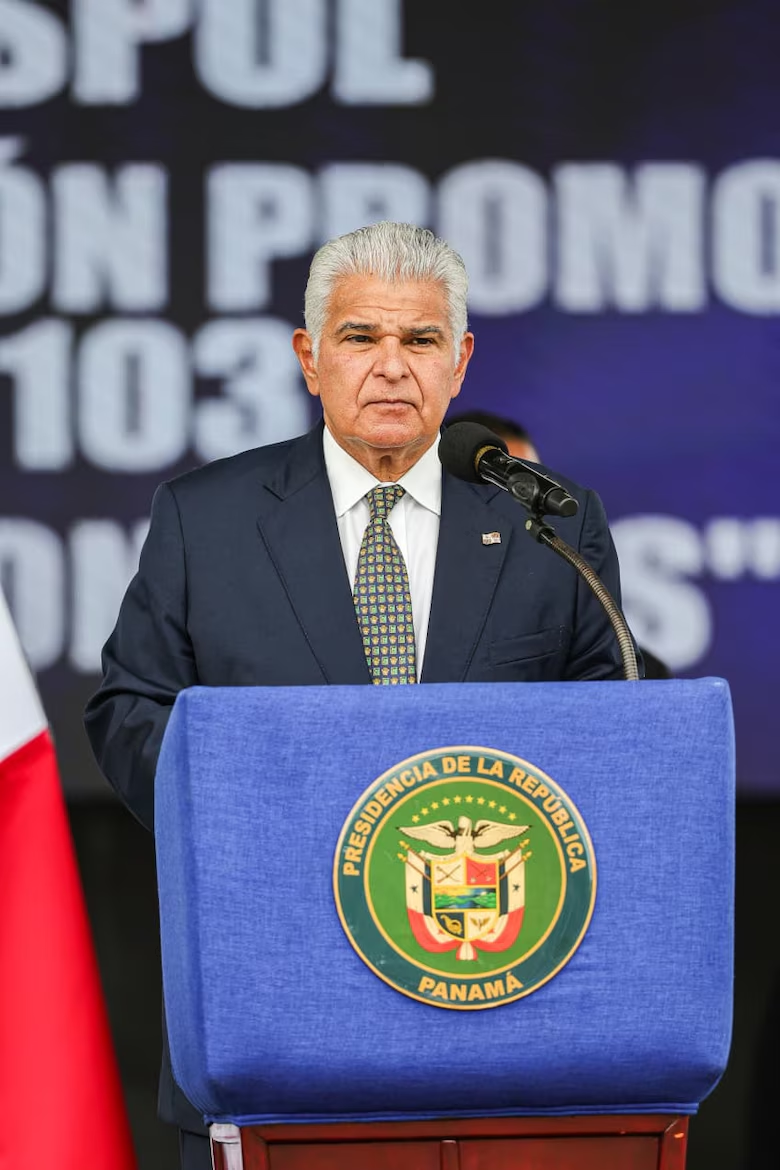
José Raúl Mulino, President of Panama.
He added that “that 2% of people linked to drug trafficking are not going to impose their agenda on the rest of the country.”
.